EPA Watchlist Puts Microplastics Closer to Possible Drinking-Water Rules
EPA’s draft contaminant list does not create new drinking-water limits, but it moves microplastics and pharmaceuticals further into the federal review process.
Save Article
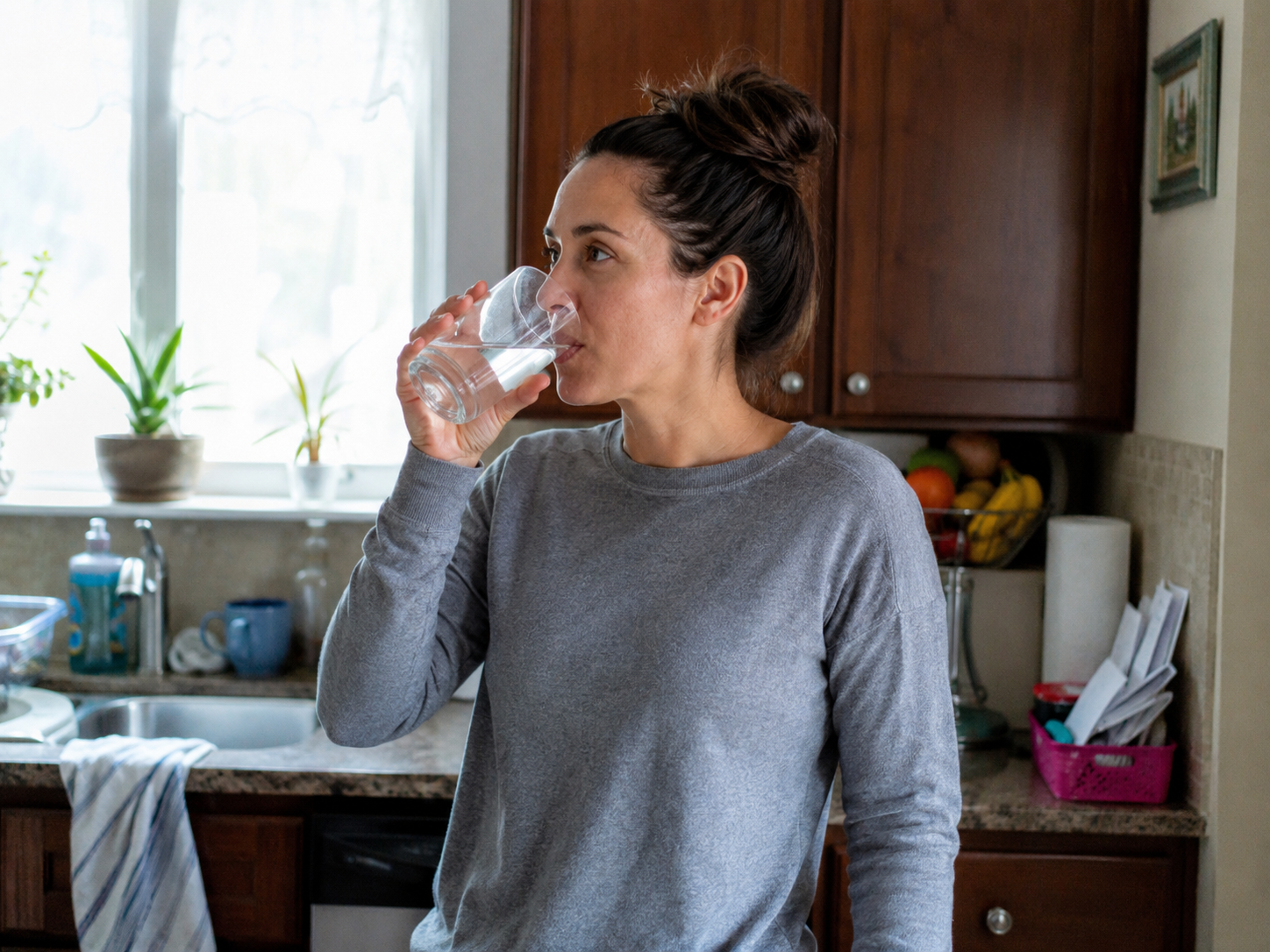
EPA’s draft contaminant list does not create new drinking-water limits, but it moves microplastics and pharmaceuticals further into the federal review process. Editorial illustration by TheDailyGlobe.
EPA’s draft Sixth Contaminant Candidate List puts microplastics and pharmaceuticals further into the federal drinking-water review process, but it does not create enforceable limits by itself.
The draft CCL 6 also includes PFAS, disinfection byproducts, chemicals, and microbes. The Federal Register notice says EPA is seeking public comment on the draft list.
For readers, the key point is the difference between a watchlist and a rule. A contaminant candidate list identifies substances that may require future regulation under the Safe Drinking Water Act. It is an early step, not a final drinking-water standard.
What the List Does
EPA uses the contaminant candidate list to decide which unregulated substances deserve more federal attention. Once a contaminant is on the list, EPA can evaluate health effects, occurrence in public water systems, testing methods, and whether national regulation may be needed.
AP reported that adding microplastics and pharmaceuticals to the list is a notable policy step, while also making clear that the listing does not establish legal limits. That distinction matters because public concern can move faster than the regulatory process.
What Is Still Unknown
It remains unclear whether EPA will set enforceable drinking-water limits for microplastics. It is also unclear what scientific thresholds, monitoring methods, or treatment standards would be used if future regulation moves forward.
HHS and EPA have announced related actions on microplastics and drinking-water research, but federal agencies would still need additional review before any binding national requirements could apply to public water systems.
Why It Matters
Emerging contaminants often move through a long path: scientific concern, federal review, public comment, possible regulatory determination, and then potential rules. That process can take time, especially when health effects, detection methods, and treatment costs are still being studied.
For now, the draft list means microplastics and pharmaceuticals are closer to possible federal drinking-water regulation than they were before. It does not mean EPA has already set limits, and it does not tell households what treatment steps to take.
Reporting note: Reporting draws on EPA materials, Federal Register records, wire reporting, HHS materials, and reviewed regulatory context. This article was produced with AI-assisted research and reviewed by an editor before publication.