DHS Asylum Work-Permit Proposal Would Reshape When Applicants Can Work
A DHS proposal would change when asylum applicants can seek work authorization, adding a longer waiting period and new eligibility requirements.
Save Article
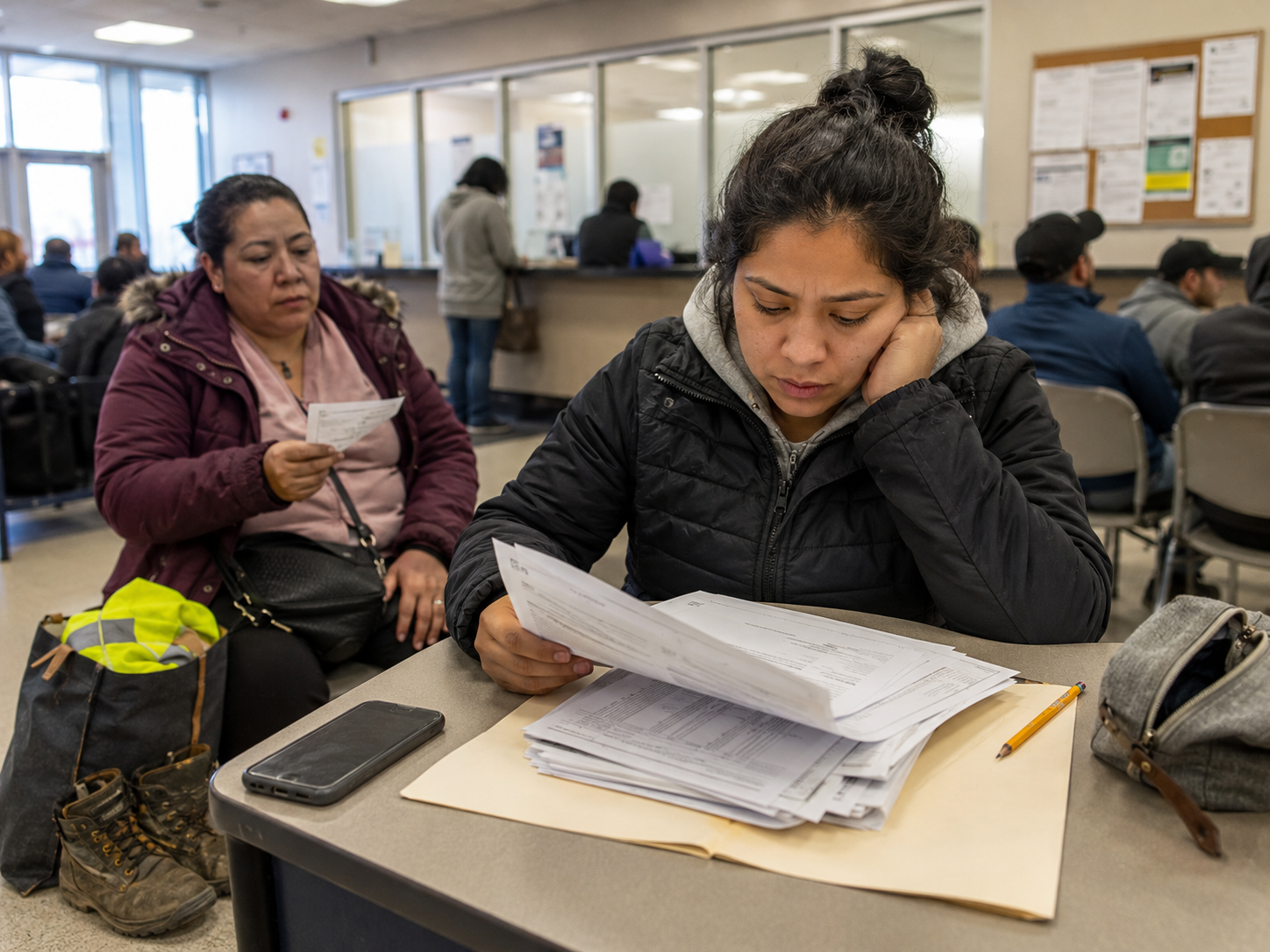
A DHS proposal would change when asylum applicants can seek work authorization, adding a longer waiting period and new eligibility requirements. Editorial illustration by TheDailyGlobe.
Key Facts
- DHS published a proposed rule titled “Employment Authorization Reform for Asylum Applicants.”
- The proposal would change filing and eligibility rules for asylum applicants seeking employment authorization.
- The proposal includes extending the waiting period to apply for employment authorization to 365 days.
- The proposal would add eligibility requirements for asylum applicants seeking work authorization.
- FederalRegister.gov shows the proposal received more than 7,000 public comments.
A proposed Department of Homeland Security rule would change when asylum applicants can seek permission to work while their cases are pending.
The proposal, titled “Employment Authorization Reform for Asylum Applicants,” would change filing and eligibility rules for asylum applicants seeking employment authorization. The rule includes extending the waiting period to apply for work authorization to 365 days and adding eligibility requirements.
For readers, the issue is practical. Asylum cases can take time. Whether someone can legally work while waiting affects families, employers, local services, and the broader immigration system. But the proposal is not final yet, and the public-comment process has already drawn thousands of responses.
What the Proposal Would Change
The main change is timing. Under the proposal, asylum applicants would have to wait 365 days before applying for employment authorization. That would reshape the point at which applicants can try to enter the legal workforce while their asylum claims remain unresolved.
The proposal also adds eligibility requirements. The source material does not support treating those requirements as final policy. They are part of the proposed rule and could be changed, narrowed, or revised before any final version is issued.
That distinction matters. A proposed rule is not the same as a final rule. It signals what an agency wants to do, opens the issue for public comment, and starts a process that can lead to revisions before the rule takes effect.
Why Work Authorization Matters
Employment authorization is not the same as asylum approval. It is permission to work legally while a case is pending, subject to federal rules. For asylum applicants, that permission can determine whether they can support themselves and their families while waiting for a decision.
For employers and communities, the rule can also matter. A longer waiting period may affect who is available for legal work, how families cover basic costs, and how much pressure falls on local support systems. Those effects should not be overstated, but they are part of why the rule has drawn attention.
The policy also sits inside a larger immigration debate. Supporters of tighter rules may argue that longer waits and added requirements discourage weak or improper claims. Critics may argue that making people wait longer to work legally creates hardship and makes pending cases harder to survive. Those arguments should be evaluated separately from what the proposed rule text itself says.
The Public Comment Process
FederalRegister.gov shows the proposal received more than 7,000 public comments. Public comments do not decide the rule by vote, but they do become part of the regulatory record.
Agencies review comments before finalizing a rule. Comments can raise legal objections, practical concerns, data questions, implementation problems, or support for the agency’s approach. DHS would have to consider the record before issuing any final version.
That process is important because immigration work-authorization rules affect people whose cases may already involve long waits. A change on paper can become a real delay in rent money, job eligibility, household stability, and employer planning.
What Remains Unresolved
The biggest unanswered question is whether DHS will finalize the rule as proposed. The agency could keep the 365-day waiting period, revise it, change eligibility language, or adjust the rule after reviewing comments.
It is also unclear how quickly any final rule would take effect, whether it would face legal challenges, and how it would apply to people already in the asylum process. Those details matter because transitional rules can affect applicants differently depending on filing dates and case status.
For now, the proposal should be understood as a major possible change to asylum work authorization, not a completed policy. It would move many applicants toward a longer wait before they can seek permission to work, but the final shape of the rule remains unsettled.
Reporting note: Reporting draws on Federal Register materials, federal regulatory docket records, DHS proposal materials, and reviewed immigration-policy context. This article was produced with AI-assisted research and reviewed by an editor before publication.