Star Wars’ Theater Return Shows the New Math for Familiar Franchises
The Mandalorian and Grogu led the Memorial Day box office, showing both the pull of familiar franchises and the limits of opening-weekend numbers.
Save Article
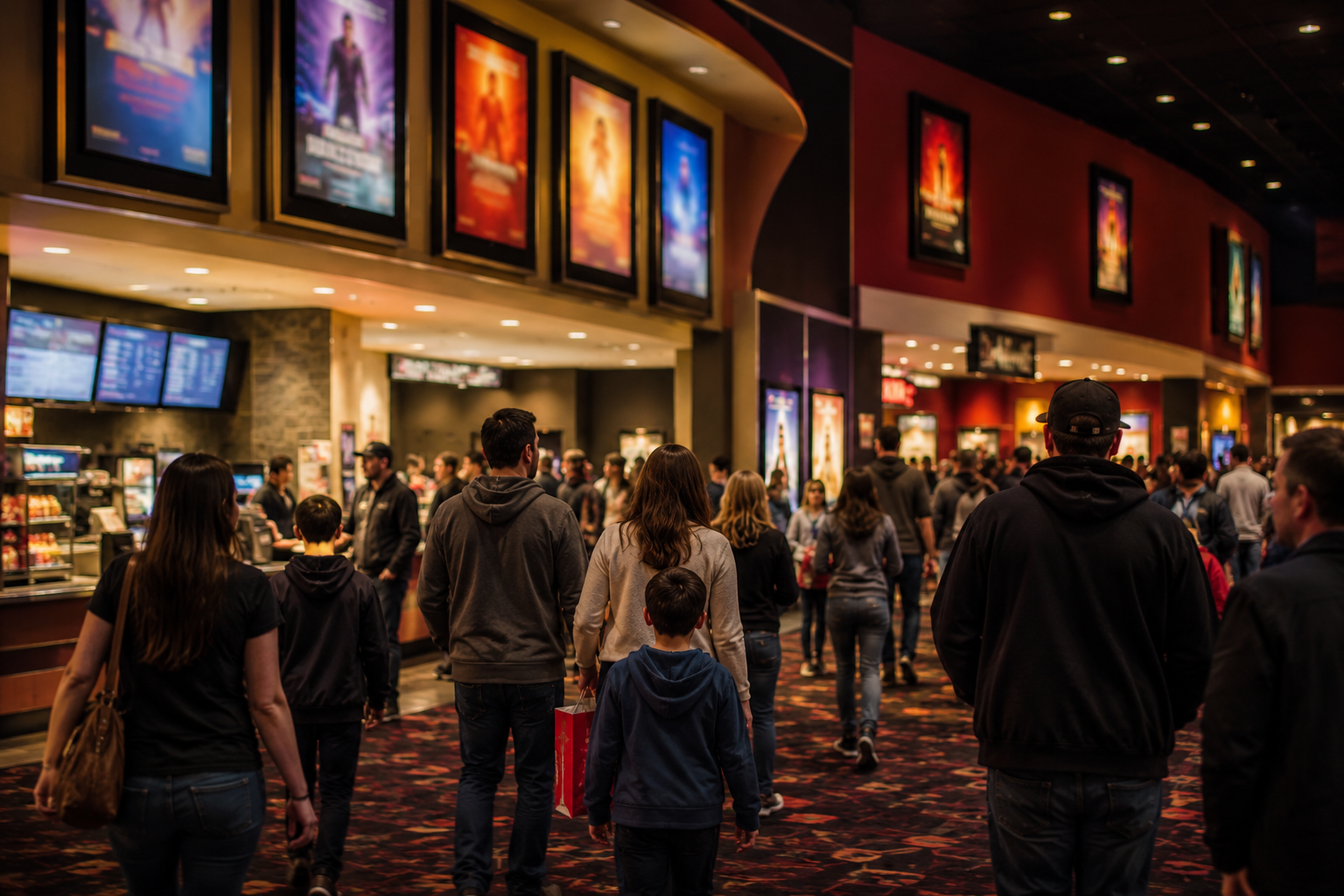
Editorial illustration by TheDailyGlobe.
Key Facts
- The Mandalorian and Grogu led the Memorial Day weekend box office.
- Variety reported a roughly $100 million domestic opening and $163 million global opening.
- Deadline also reported that the film led the global box office.
- Reporting noted that the film’s opening was strong but below some previous Disney-era Star Wars theatrical debuts.
- Longer-term profitability will depend on holdover ticket sales, marketing costs, and international performance.
The Mandalorian and Grogu gave Hollywood the kind of Memorial Day weekend result studios still chase: a familiar name, a built-in audience, and a box office win big enough to put theatrical moviegoing back at the center of the conversation.
The film led the Memorial Day weekend box office, with Variety reporting a roughly $100 million domestic opening and a $163 million global start. Deadline also reported that the movie led the global box office. Those are strong opening numbers, but they also came with a warning label: reporting noted that the debut was below some earlier Disney-era Star Wars theatrical openings.
That tension is the real story. The opening showed that familiar franchises can still pull people into theaters. It also showed why studios cannot treat nostalgia, streaming popularity, or brand recognition as automatic guarantees.
Why This Opening Matters
For regular moviegoers, the box office can seem like inside baseball. But opening-weekend numbers help explain why theaters keep filling their calendars with familiar brands. Studios are trying to reduce risk. Theater chains want movies that feel like events. Audiences, after years of streaming options at home, often need a clearer reason to spend money on tickets.
A Star Wars movie built from a streaming-era character sits right in the middle of that shift. The Mandalorian became a major part of the franchise on Disney+, not first through a traditional theatrical trilogy. Moving that world back into theaters is a test of whether a streaming-born audience will show up for the big-screen version.
The answer from opening weekend appears to be yes, but not without limits. A $100 million domestic holiday opening is a major result for most films. For Star Wars, the comparison point is tougher because the franchise has a long history of very large theatrical launches.
The New Franchise Math
Hollywood has leaned heavily on known brands for years, but the math around those brands has changed. A franchise can no longer be judged only by whether people recognize the title. Studios now have to ask where the audience came from, how recently that audience engaged with the property, and whether fans see the theatrical release as necessary or optional.
That is especially true for stories that have lived on streaming platforms. Streaming can keep characters familiar, but it can also train viewers to wait. If audiences believe a movie will soon be available at home, some may skip opening weekend unless the film feels like an event.
The Mandalorian and Grogu benefited from one of the strongest brand names in entertainment and from characters already known to a large audience. But the reported comparison to earlier Disney-era Star Wars openings shows the difference between being familiar and being unstoppable.
What the Numbers Do Not Prove Yet
Opening weekend does not settle whether a movie is profitable. A strong debut helps, but the full picture depends on how sharply ticket sales fall in the second weekend, how well the film performs overseas, how much was spent on marketing, and how long families and casual viewers keep showing up.
That matters because franchise movies often cost more than the number attached to production alone. Marketing campaigns, premium-format expectations, international releases, and brand tie-ins all shape the business case. A large opening can still be less impressive if the movie fades quickly. A more modest opening can look better if the film holds well over several weeks.
For that reason, the Memorial Day result should be read as a strong start, not a final verdict.
Why Studios Keep Returning to Known Worlds
The reason studios keep returning to familiar worlds is not hard to understand. Known franchises come with awareness that original films usually have to buy through advertising. They also give theaters something easier to sell: a recognizable title, a clear audience, and a reason for fans to go early.
But familiarity cuts both ways. Audiences bring expectations. They compare new films with earlier highs. They notice when a story feels too small for theaters or too dependent on homework from a show. They may reward the comfort of a known world, but they still have to believe the trip to the theater is worth it.
That is the balancing act The Mandalorian and Grogu represents. It is not just another franchise release. It is a sign of how studios are trying to move stories back and forth between streaming and theaters without weakening either side.
What Comes Next
The next test will be staying power. If the movie holds well after the holiday weekend, the opening will look like the start of a durable theatrical run. If ticket sales fall quickly, the result will look more like a front-loaded fan event.
Final audited box office figures may change slightly, and the longer-term business picture will take more time to measure. For now, the Memorial Day weekend result shows both why Hollywood keeps betting on familiar franchises and why those bets are more complicated than they used to be.
The audience is still there. The harder question is what kind of movie convinces them to leave the couch.
Reporting note: Reporting draws on entertainment business reporting from Variety, Deadline, Barron’s, box office coverage, and reviewed background materials. This article was produced with AI-assisted research and reviewed by an editor before publication.