Libraries Are Becoming Adult Activity Centers, Not Just Places for Books
Many public libraries now offer classes, workshops, discussions, and practical community programs that reach far beyond their traditional role as places to borrow books.
Save Article
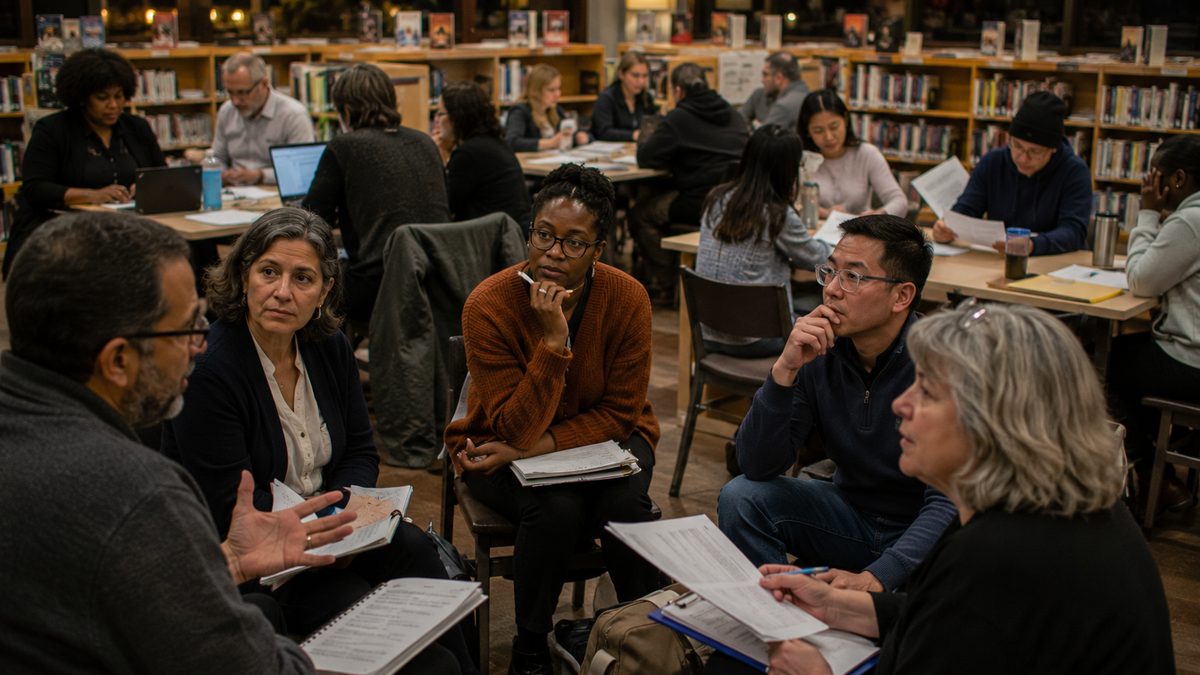
Public libraries increasingly offer classes, workshops, and community programs designed for adults as well as children. Editorial illustration by TheDailyGlobe.
Key Facts
- Many public libraries now offer extensive adult programming alongside traditional lending services.
- Programs often include job assistance, technology training, health literacy, and community discussions.
- The American Library Association provides resources and programming ideas focused on adult audiences.
- Libraries continue to serve as free public gathering spaces in many communities.
- Adult-focused programming varies by location and reflects local community interests and needs.
Ask someone what happens at a public library and the answer will probably include books, quiet reading spaces, and children’s story hours. Those services remain important, but they no longer tell the whole story.
Across the country, many public libraries have expanded into something closer to a community activity center for adults. On any given week, a library may host a job-search workshop, a local history presentation, a media literacy class, a technology training session, a health information seminar, or a discussion about community issues.
The shift reflects a broader effort to meet changing community needs while making use of one of the few public spaces that remains free and open to nearly everyone.
A Different Kind of Community Space
Libraries have long been places where people go to learn, but the definition of learning has expanded. Instead of focusing only on books and research materials, many libraries now offer opportunities for people to learn directly from experts, neighbors, educators, and community organizations.
An adult visitor might attend a workshop on protecting personal information online, learn how to use a new software tool, participate in a financial education session, or join a discussion group focused on local issues. In some communities, libraries host classes that teach practical skills ranging from crafting and gardening to resume writing and interview preparation.
These programs often share a common goal: helping people gain knowledge or skills without requiring expensive enrollment fees or memberships.
Why Adult Programs Are Growing
Part of the growth comes from changing expectations. Libraries increasingly serve people who need reliable internet access, technology assistance, workforce resources, and trustworthy information about complicated topics.
Media literacy has become one example. As misinformation concerns continue to attract attention, some libraries have responded with programs that help people evaluate sources, understand online content, and identify misleading information.
Health literacy programs have also become more common. Rather than offering medical advice, these sessions may help residents better understand health information, navigate available resources, or learn how to evaluate information they encounter online.
More Than a Place to Borrow Materials
The modern library experience often includes services that would have seemed unusual decades ago. Community meeting rooms, technology labs, maker spaces, educational workshops, and public events have become familiar features in many library systems.
That does not mean libraries are abandoning books. Lending collections remain central to their mission. Instead, many institutions are building on that foundation by creating additional ways for people to access information and connect with others.
In practical terms, that can make libraries valuable for adults who have not visited one in years. Someone who no longer borrows books regularly may still find a useful class, workshop, lecture, or community event.
What Libraries Offer That Few Places Can
One reason libraries occupy a unique position is accessibility. Many public spaces today are tied to spending money, joining a membership, or belonging to a specific organization. Libraries operate differently.
In most communities, residents can attend programs, ask questions, use resources, and spend time in the building without purchasing anything. That accessibility makes libraries one of the few places where people from different backgrounds routinely share the same space.
For local governments and community groups, libraries can also provide a trusted venue for educational events, public discussions, and civic engagement activities.
What Readers Should Watch Next
Adult library programming continues to evolve as communities identify new needs. Technology skills, workforce development, financial education, media literacy, and health information remain areas receiving attention from many library systems.
Available resources from the American Library Association highlight a steady stream of new programming ideas and professional discussions about how libraries can support adult learners. Exactly which programs appear will vary from one community to another.
What seems increasingly clear is that many libraries are no longer defined solely by what sits on their shelves. They are becoming places where adults gather to learn new skills, exchange ideas, solve practical problems, and participate more fully in community life.
Reporting note: Reporting draws on American Library Association resources, library programming materials, conference information, and reviewed background materials. This article was produced with AI-assisted research and reviewed by an editor before publication.