Why Bills Can Still Feel High Even When Inflation Slows
The latest inflation report shows prices are still rising, which helps explain why many households have not felt much relief in rent, food, insurance and other recurring costs.
Save Article
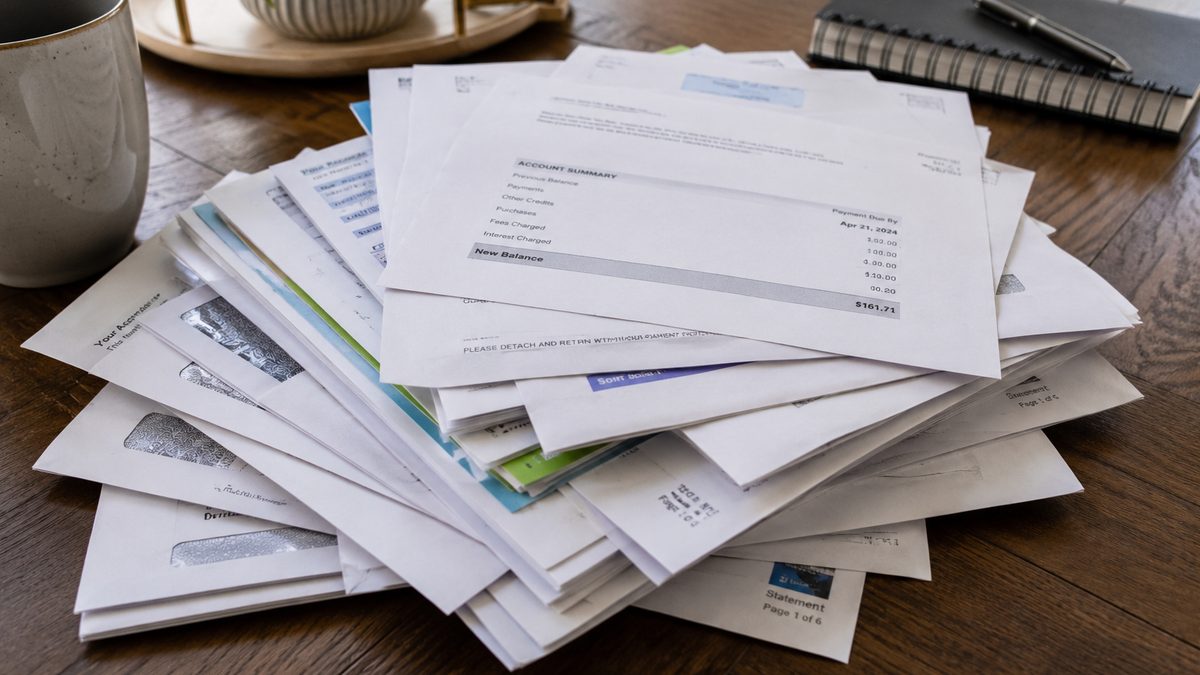
Many households still feel pressure from recurring bills even when inflation headlines begin to shift. Editorial illustration by TheDailyGlobe.
Key Facts
- The Consumer Price Index for All Urban Consumers rose 0.6 percent in April 2026 on a seasonally adjusted basis.
- The all-items index rose 3.8 percent over the prior 12 months before seasonal adjustment.
- The Bureau of Labor Statistics publishes detailed CPI tables that break out household spending categories.
- Headline inflation numbers are national measures and do not describe every household’s experience.
A family can hear that inflation is slowing and still feel no real relief when the rent is due, the insurance bill arrives, or a grocery run costs more than it used to. That is the gap many households feel between an inflation headline and the actual bills sitting on the kitchen table.
The latest Consumer Price Index report from the U.S. Bureau of Labor Statistics helps explain why. Prices did not stop rising in April. The CPI-U rose 0.6 percent on a seasonally adjusted basis, and the all-items index was up 3.8 percent from a year earlier before seasonal adjustment.
Slower Inflation Is Not The Same As Lower Prices
For many readers, the confusing part is the language. When inflation slows, that usually means prices are rising more slowly than before. It does not necessarily mean prices are falling back to where they were.
That difference matters. A bill that rose sharply over the past few years may still be high even if the pace of increases cools. A grocery item, insurance premium, repair service, or rent payment does not feel easier just because it is climbing at a slower rate.
The CPI is designed to measure price changes across a broad basket of goods and services. It is useful for tracking national inflation, but it is not a personal budget. A household with a large rent increase, a new insurance premium, or heavy food costs may feel more pressure than the national number suggests.
Why Recurring Bills Feel Stickier
The bills that shape daily life are often the ones people cannot easily avoid. Rent, insurance, food, utilities, repairs and services tend to show up again and again. When those costs rise, households have to absorb them month after month.
That is why inflation can feel sticky even when the headline data improves. A one-time purchase can be delayed. A monthly bill usually cannot. Families still have to live somewhere, buy food, keep vehicles insured, cover basic services and manage the costs that come with work, school and home life.
Small businesses can feel the same kind of pressure. Rent, insurance, supplies, wages and services can remain expensive even after inflation headlines become less alarming. That can leave owners trying to manage their own costs while also deciding how much of those costs customers can bear.
The National Number Has Limits
The April CPI report gives a national snapshot, not a complete picture of every community. Regional differences, housing markets, insurance costs and household needs can all shape how inflation is felt.
That is one reason two households can read the same inflation report and have very different reactions. A renter in a high-cost market may see little relief. A homeowner with a paid-off mortgage may feel inflation more through food, insurance or repairs. A family with long commutes may notice different pressure than a household that spends more on child care or medical needs.
The data is still important. It shows whether price pressure is rising, cooling or shifting across categories. But the household experience depends on where people live, what they buy, which bills reset, and which costs take up the biggest share of their income.
What To Watch In The Next Reports
The main question now is not only whether the headline inflation rate moves up or down. Readers should also watch the categories tied most closely to recurring bills, including shelter, insurance, food and services.
It remains unclear which categories will ease in coming months and which will stay elevated. It is also unclear how much relief households in different regions will actually feel, even if the national data improves.
For now, the April report points to a simple reality: inflation numbers can look better before family budgets feel better. Prices are still rising, and for many households, the bills that matter most are the ones that do not reset just because the headline gets less severe.
Reporting note: Reporting draws on official inflation data from the U.S. Bureau of Labor Statistics, detailed CPI category tables, and reviewed background materials. This article was produced with AI-assisted research and reviewed by an editor before publication.