Oil Prices Fall as Iran Talks Raise Hopes, but Inflation Pressure Is Not Over
A sharp drop in crude prices offered a possible pressure valve for inflation, but the relief depends on whether diplomacy eases real risks to oil supply and shipping.
Save Article
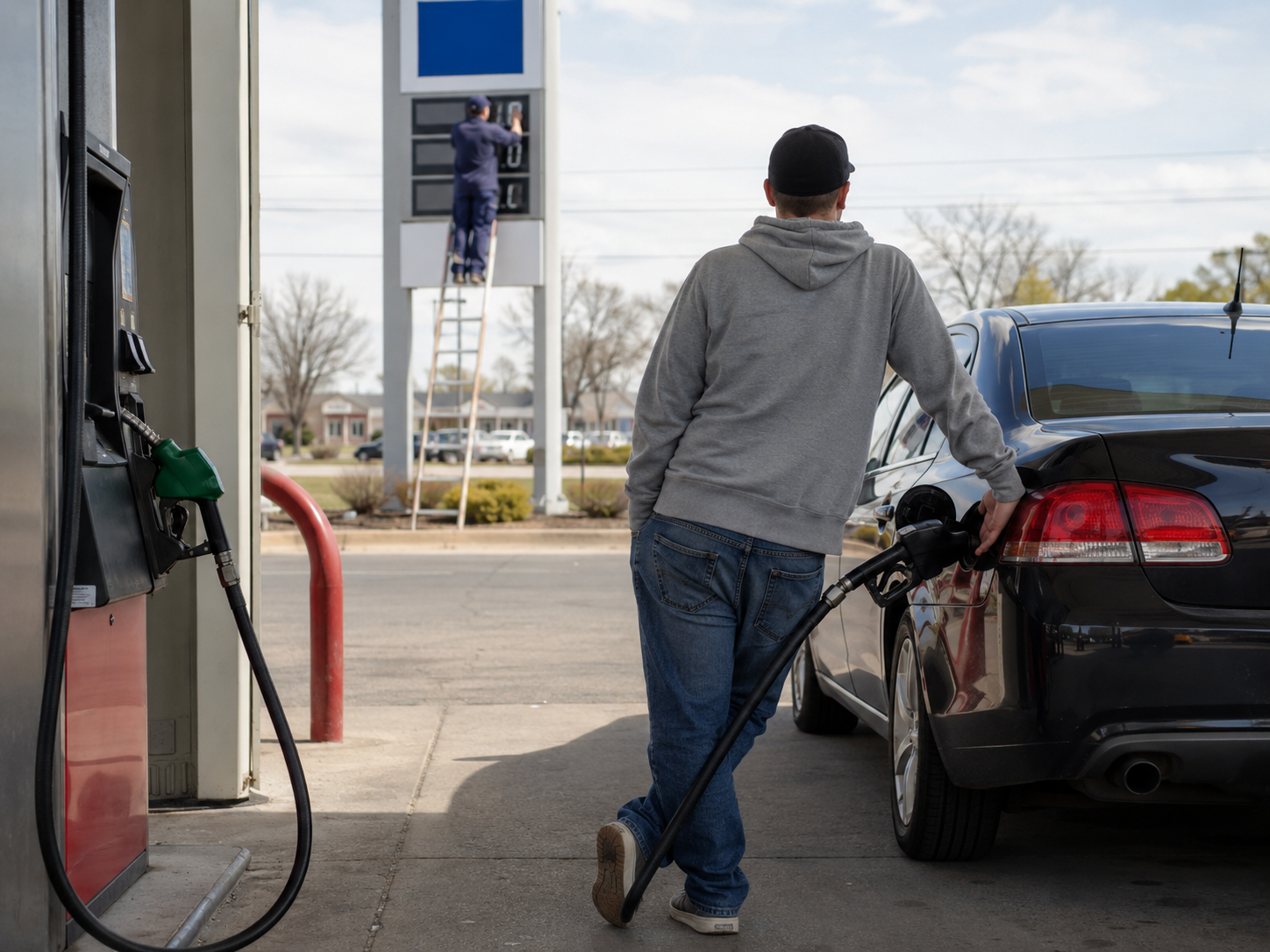
Energy prices remain a key link between global conflict, inflation, and household costs. Editorial illustration by TheDailyGlobe.
Key Facts
- Associated Press reported global stock markets rose Monday after comments that talks to end the war with Iran were proceeding constructively.
- AP reported benchmark U.S. crude fell more than $4 to $91.83 per barrel and Brent crude fell to $98.68.
- The Guardian reported Brent crude fell below $100 as optimism grew over a potential peace deal, while unresolved Strait of Hormuz issues remained.
- The Bureau of Labor Statistics reported April CPI rose 0.6% on a seasonally adjusted basis and 3.8% over 12 months.
Oil prices fell sharply Monday after reports of constructive talks aimed at ending the war with Iran, giving consumers and markets a possible sign of relief from one of the most visible sources of inflation pressure.
The drop matters because energy prices do not stay inside oil markets. They show up in gasoline, delivery costs, airline expenses, food transportation, business margins, and the inflation numbers watched by the Federal Reserve. A lower oil price can ease pressure. It does not, by itself, prove that prices for households are about to fall.
Associated Press reported that global stock markets rose Monday after comments that talks to end the war with Iran were proceeding constructively. AP also reported that benchmark U.S. crude fell more than $4 to $91.83 per barrel, while Brent crude fell to $98.68. The Guardian reported that Brent crude fell below $100 as optimism grew over a potential peace deal, while questions remained around the Strait of Hormuz.
Why Oil Prices Matter to Inflation
Oil is not the whole inflation story, but it is one of the parts people feel fastest. When crude prices rise, gasoline prices can become a daily reminder that household budgets are under strain. Businesses that ship goods, operate vehicle fleets, fly planes, run farms, or move food can also face higher costs.
That is why Monday's move drew attention beyond traders. Lower oil prices can help if they last long enough to work through fuel markets and business costs. But a one-day move does not settle the question. Gas prices, freight costs, food prices, and inflation readings do not all adjust at the same speed.
The latest inflation backdrop keeps the story important. The Bureau of Labor Statistics reported that the Consumer Price Index rose 0.6% in April on a seasonally adjusted basis and 3.8% over 12 months. That means inflation pressure was still present before Monday's oil move, and energy prices remain one part of a broader price picture.
A Pressure Valve, Not a Victory Lap
The cleanest way to read Monday's oil move is as a pressure valve. If diplomacy reduces fears of supply disruption, oil prices can fall because markets see less risk. That can help households and businesses if lower prices hold.
But the relief is conditional. The source material points to optimism around talks, not a completed agreement. It also points to unresolved questions around the Strait of Hormuz, a key oil shipping route. If those risks remain, oil prices could stay sensitive to headlines, shipping concerns, and any sign that tensions are rising again.
For regular readers, the difference matters. A lower crude price is not the same thing as cheaper gas tomorrow. It is an early signal that one source of pressure may be easing. Whether that signal turns into real budget relief depends on supply, refining, shipping, retail pricing, and how long the lower price lasts.
Markets Reacted While U.S. Trading Was Limited
AP reported that global stock markets rose Monday as oil prices fell. The market reaction fits a simple pattern: when investors see less risk of an energy shock, stocks can benefit and oil can retreat.
There is one important caution. U.S. stock markets were closed for Memorial Day, so the full U.S. market response was limited. That makes it especially important not to overread Monday's move as a final verdict from investors. Global markets moved, oil moved, and the next U.S. trading session would give a clearer picture of how Wall Street handles the news.
The bigger business question is whether falling oil prices change the inflation conversation. If energy prices stay lower, they may reduce some pressure on consumers and companies. If prices rebound, the relief could fade quickly.
What Consumers Could Notice
The most direct consumer connection is gasoline. Many households notice fuel prices before they notice official inflation reports. A sustained drop in crude oil can eventually make filling up less expensive, though the timing and size of that change are not automatic.
Energy also touches costs that are less visible. Groceries have to be transported. Packages have to be delivered. Airlines buy fuel. Contractors, service companies, farms, and small businesses often rely on vehicles or equipment. If fuel costs ease, some businesses may face less pressure. Whether that turns into lower consumer prices is a separate question.
That is why the story should not be framed as inflation being solved. It is more accurate to say one important pressure point moved in a better direction Monday. The rest depends on whether the diplomatic opening produces a durable reduction in supply risk.
What Remains Unclear
The first unknown is whether diplomatic talks will produce a durable agreement. The reports describe constructive movement and optimism, not a final settlement. Markets can move quickly on hope, but household costs usually need more than hope to change in a lasting way.
The second unknown is whether oil flows and shipping costs would normalize quickly even if tensions ease. The Guardian reported that Strait of Hormuz issues remained unresolved. That matters because shipping risk can keep energy markets nervous even when diplomacy appears to improve.
The third unknown is how much lower oil prices would filter into gasoline, freight, food, and consumer prices. Crude prices are important, but they are not the only factor behind what people pay. Refining, taxes, distribution, demand, and business decisions all affect final prices.
The Inflation Question Ahead
For the Federal Reserve, energy prices are part of the inflation picture, but not the only part. The April CPI report showed inflation pressure was still present before Monday's move. If oil prices stay lower, that could help future inflation readings. If the drop reverses, the benefit may be brief.
For households, the practical takeaway is simpler. Monday's oil move was encouraging, but not a guarantee. It showed that energy markets are still tightly connected to global conflict, shipping risk, inflation, and family budgets. Relief is possible if the pressure keeps easing. The evidence does not yet show that it has arrived.
Reporting note: Reporting draws on current business reporting, official inflation data, market reporting, and reviewed background materials. This article was produced with AI-assisted research and reviewed by an editor before publication.