Mortgage Rates Remain High Enough to Keep Home Affordability Under Pressure
Mortgage rates eased slightly, but the average 30-year fixed rate remained high enough to keep pressure on buyers, sellers, and households weighing housing costs.
Save Article

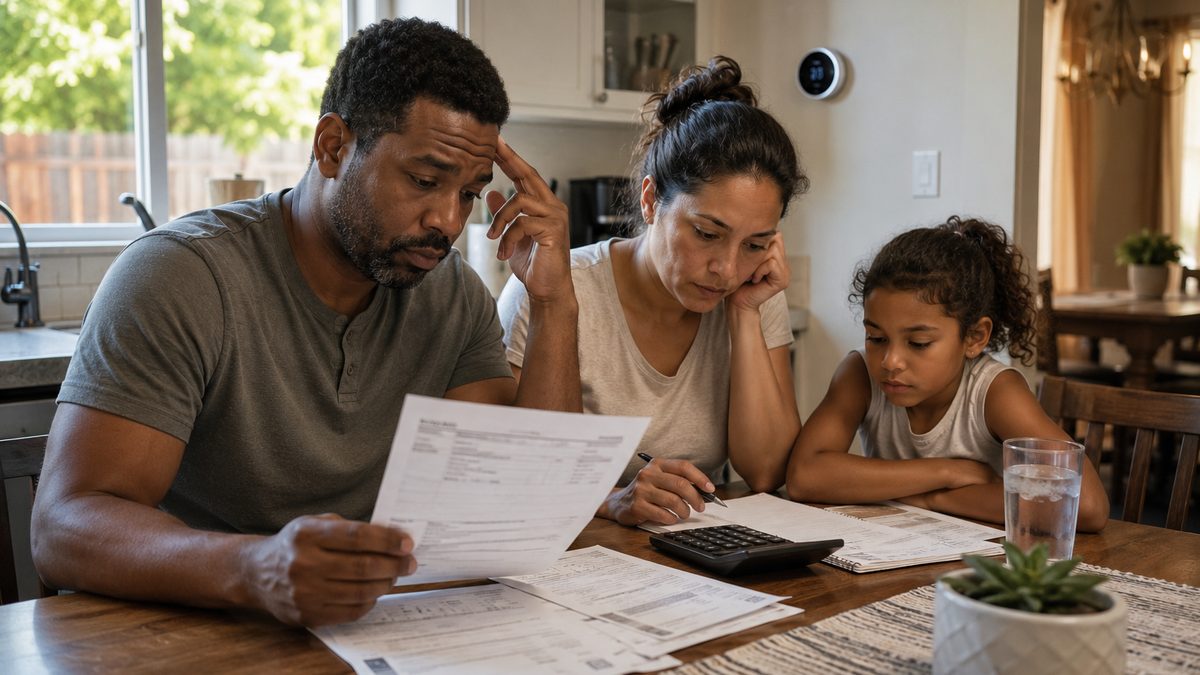
Mortgage rates eased slightly, but the average 30-year fixed rate remained high enough to keep pressure on buyers, sellers, and households weighing housing costs. Editorial illustration by TheDailyGlobe.
Key Facts
- Freddie Mac said the 30-year fixed-rate mortgage averaged 6.36% as of May 14, 2026.
- That was down slightly from 6.37% the prior week.
- The 15-year fixed-rate mortgage averaged 5.71%.
- AP reported the average long-term mortgage rate eased after two straight weekly increases.
- Even with the weekly dip, rates remained high enough to pressure the spring homebuying season.
Mortgage rates eased slightly in the latest weekly reading, but not enough to change the basic affordability problem facing many homebuyers.
Freddie Mac said the average rate on a 30-year fixed-rate mortgage was 6.36% as of May 14, 2026. That was down just slightly from 6.37% the prior week. The 15-year fixed-rate mortgage averaged 5.71%.
For buyers, sellers, and homeowners thinking about refinancing, the important point is not the one-week dip by itself. It is that mortgage rates remained high enough to keep monthly payments and housing affordability under pressure during the spring homebuying season.
Why a Small Rate Move Still Matters
Mortgage rates matter because they shape what a buyer can afford each month. A small change in the rate may not transform the housing market, but it can affect how buyers think about their budget, how much house they can consider, and whether they feel comfortable making an offer.
The latest move was small. A drop from 6.37% to 6.36% is not a major affordability shift. But it still matters because buyers are watching every piece of relief they can get after a long stretch of elevated borrowing costs.
That is why the story is not simply that rates fell. The better reading is that rates eased but remained high. For many households, that keeps the housing decision difficult: buy now, wait, lower the budget, stay in a current home, or keep renting.
How Rates Pressure Affordability
A mortgage rate is not the only cost of buying a home, but it is one of the most visible. Home prices, insurance, taxes, down payments, closing costs, and income all matter too. Still, the mortgage rate helps determine the monthly payment, which is often the number that decides whether a home feels reachable.
Higher rates can also affect sellers. Some homeowners who locked in lower rates in earlier years may be reluctant to sell and take on a new mortgage at a higher rate. That can affect the number of homes available, though the source material here does not show how much listings changed in specific markets.
Refinancing is also harder to justify when rates remain elevated. Homeowners usually refinance when a new loan can lower costs or improve their financial position. When rates are still high, fewer households may see a clear reason to make that move.
What Remains Unclear
The biggest open question is whether mortgage rates will rise or fall in the coming weeks. One weekly reading shows where rates stood at a specific moment. It does not settle the path for the rest of the spring or summer.
It also remains unclear how much rates, home prices, inventory, and income each explain weak affordability. Those pressures can overlap. A buyer may face a high mortgage rate, a high asking price, limited listings, and a budget that has not kept up with housing costs.
Some markets may become easier for buyers if more homes are listed or prices soften. Other markets may remain tight. The available source material does not show whether those local changes will be enough to materially improve affordability for buyers.
Why Readers Should Care
Mortgage-rate stories can sound technical, but they are really household-budget stories. A rate near the mid-6% range affects what buyers can afford, how sellers think about moving, and whether homeowners see a reason to refinance.
The latest data gives readers a restrained takeaway. Rates dipped slightly after two straight weekly increases, according to AP reporting, but they did not fall enough to remove the affordability pressure. For many households, the housing market still comes down to monthly payment math.
That is why a small weekly rate move deserves context rather than panic or celebration. Mortgage rates moved down, but housing remained expensive for many would-be buyers. The next question is whether rates keep easing, or whether affordability stays stuck in the same difficult range.
Reporting note: Reporting draws on Freddie Mac mortgage-rate data, Associated Press housing reporting, Federal Reserve economic data references, and reviewed background materials. This article was produced with AI-assisted research and reviewed by an editor before publication.