Home Insurance Costs Are Becoming a Bigger Part of the Housing Affordability Problem
Rising premiums are making home insurance harder to treat as a background cost, especially for buyers and owners already watching mortgage payments, taxes and repairs.
Save Article

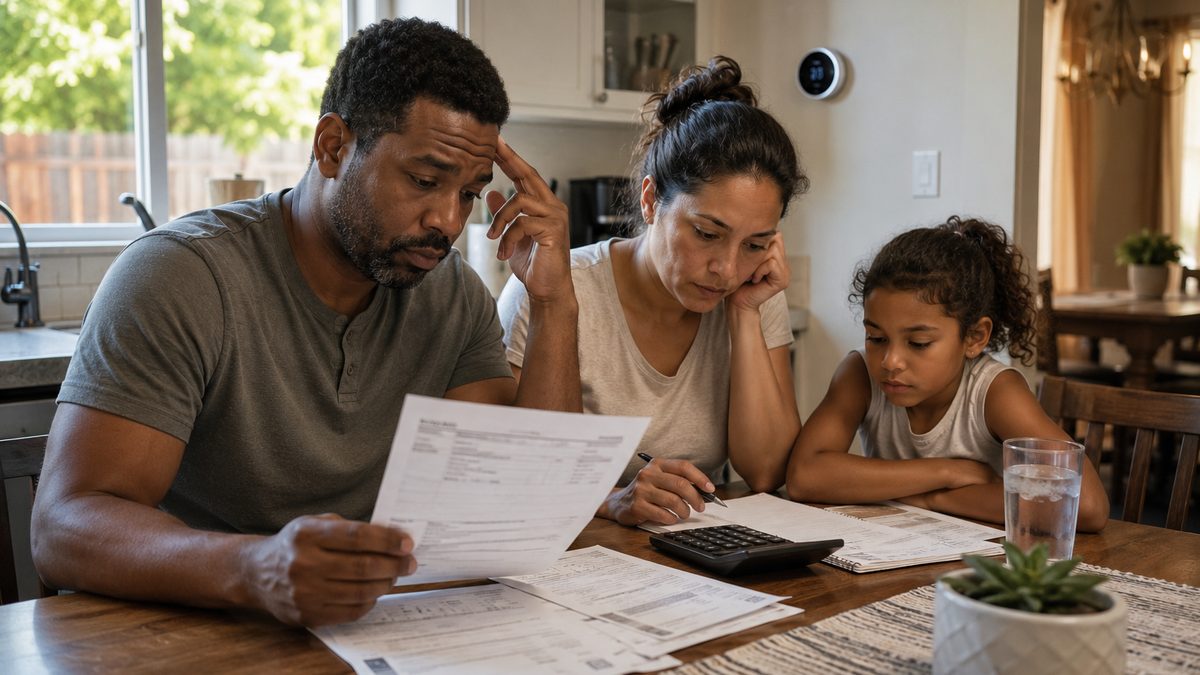
Rising insurance premiums are adding pressure to the overall cost of owning a home. Editorial illustration by TheDailyGlobe.
Key Facts
- Insurify projects average annual home insurance costs will reach $3,057 by the end of 2026.
- Forbes Advisor reported that home insurance costs rose 62 percent from 2022 to 2025 in its analysis.
- Consumer-insurance sources identify weather risk, rebuilding costs and inflation as key drivers of premium pressure.
- Insurance projections vary by state, property type, coverage level, insurer and methodology.
- State-by-state premium changes should be checked carefully before drawing local conclusions.
A homeowner may think of the mortgage as the main housing bill. Then the escrow notice arrives, the insurance premium jumps, and the monthly payment changes even though the loan did not.
That is why home insurance is becoming harder to treat as a side detail in the housing affordability story. For buyers and owners, the real cost of a home is not only the sale price or the mortgage rate. It also includes insurance, property taxes, repairs, utilities and the cash cushion needed when something breaks.
Recent consumer insurance analyses point to continued pressure in 2026. Insurify projects average annual home insurance costs will rise to $3,057 by the end of the year, while Forbes Advisor reported that home insurance costs jumped 62 percent from 2022 to 2025 in its analysis.
The Monthly Housing Bill Is Bigger Than the Mortgage
Housing affordability is often discussed through mortgage rates and home prices. Those matter, but they do not capture the full monthly burden. A buyer can qualify for a loan and still find the payment harder to carry once insurance and taxes are included.
For current homeowners, insurance increases can show up through escrow adjustments. A household that budgeted around one monthly payment may see that payment rise because the insurer charged more, the lender recalculated escrow, or both.
That can be frustrating because insurance is not usually a bill families feel they can simply skip. Lenders generally require coverage for mortgaged homes, and homeowners need protection against losses that could be financially devastating.
Why Premiums Are Under Pressure
Multiple consumer-insurance sources point to weather risk, rebuilding costs and inflation as key reasons premiums have been rising. The plain-English version is simple: if homes cost more to repair or replace, and insurers expect more costly losses, premiums can move higher.
Weather risk does not affect every area the same way. A coastal home, a wildfire-prone area, a hail-heavy region and a lower-risk inland property may face very different insurance markets. Even within the same state, premiums can vary by location, construction, coverage choices, claims history and insurer.
Rebuilding costs matter too. Labor, materials and contractor availability can affect what it costs to repair a roof, replace damaged rooms or rebuild after a major loss. When those costs rise, the price of insuring against those losses can rise as well.
Why Buyers Should Pay Attention
For homebuyers, insurance can change the affordability math before closing. A house that looks manageable based on the mortgage alone may feel different once the insurance quote is included.
That does not mean every buyer will face the same increase or that every market is under the same pressure. It does mean insurance deserves a real place in the budget conversation. A monthly payment that includes principal, interest, taxes and insurance can move even when the base mortgage payment stays fixed.
Local housing businesses can feel this indirectly. Real estate agents, lenders, contractors and repair companies operate in markets where insurance costs affect what buyers can afford, what owners can maintain and how households plan for repairs.
The Numbers Come With Limits
The national figures are useful for understanding the direction of pressure, but they are not a personal quote. Insurify's projected average and Forbes Advisor's reported increase come from specific analyses with their own methods and assumptions.
That matters because insurance pricing is local and personal. Averages can hide big differences by state, neighborhood, home age, construction type, coverage level, deductible and insurer. Bankrate and The Zebra also publish state and market insurance analyses, but those figures can differ because sources use different data sets and methods.
The safer takeaway is not that every homeowner will see the same increase. It is that insurance has become a larger and less ignorable part of the total cost of owning a home.
What Remains Unclear
It remains unclear how much premiums will rise in each state through the end of 2026. Some markets may see more pressure than others, and state regulatory decisions can affect how quickly insurers can raise rates.
It is also unclear whether regulatory actions, insurer changes or calmer weather-loss years could slow increases in the hardest-hit markets. Insurance filings, severe weather losses and insurer rate requests will provide a clearer picture over time.
What to Watch Next
The next signals to watch are state insurance filings, severe weather losses, insurer rate requests and updated consumer insurance reports. Those will show whether projected increases hold through the end of the year or vary sharply by region.
For homeowners and buyers, the clearest lesson is that housing affordability now has to include insurance in plain view. The mortgage may still be the biggest line item, but it is no longer the only one that can change the monthly cost of keeping a home.
Reporting note: Reporting draws on consumer insurance analyses, insurance-market reports, household finance reporting, and reviewed background materials. This article was produced with AI-assisted research and reviewed by an editor before publication.