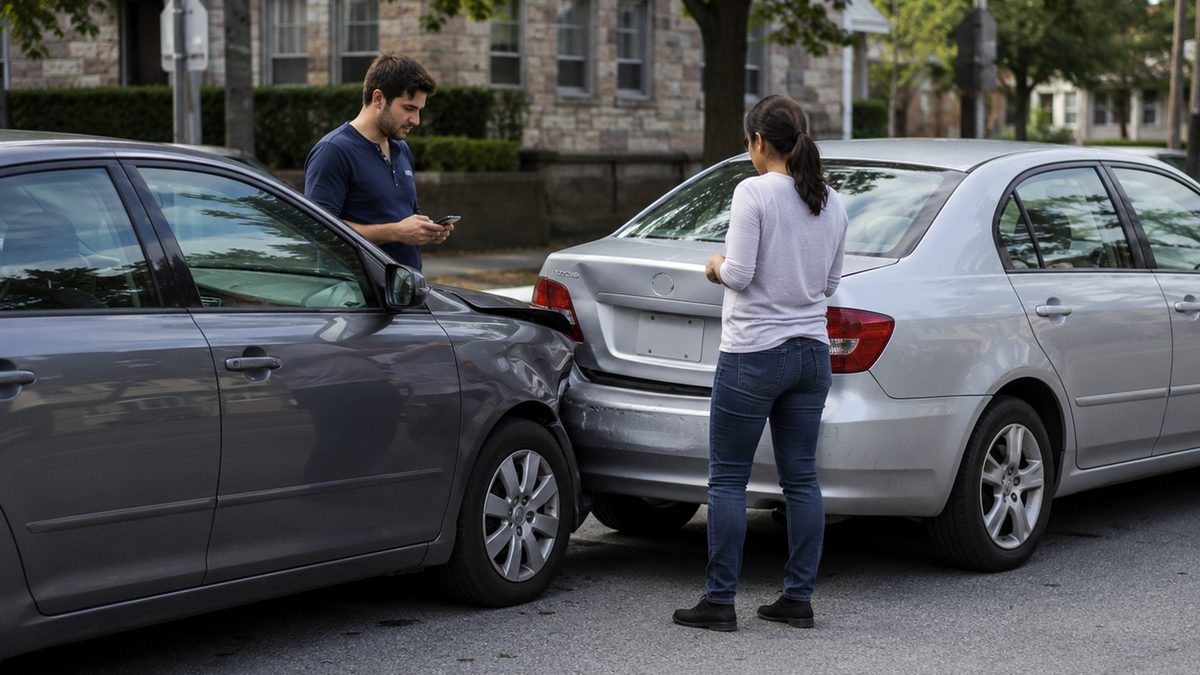
Auto Insurance Is Still One of the Hardest Car Costs to Shake
Premiums remain a stubborn part of car ownership as repair costs, claims, vehicle technology and state-by-state insurance markets keep pressure on drivers.
Save Article
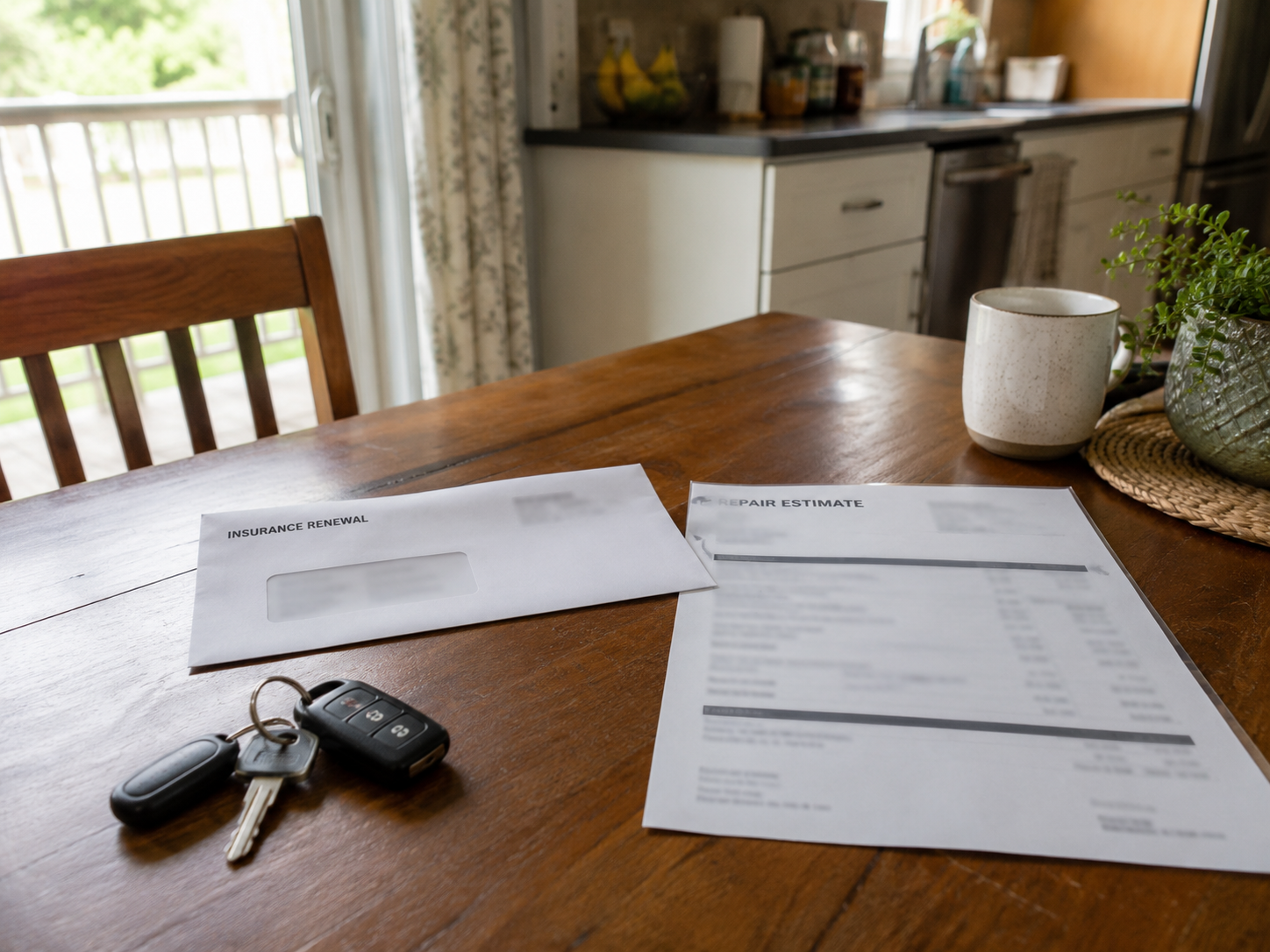
Auto insurance remains a major part of the cost of owning and driving a car. Editorial illustration by TheDailyGlobe.
Key Facts
- NAIC reported that the national combined average premium per issued vehicle rose 14.42% from 2022 to 2023.
- The Insurance Information Institute identified higher replacement, repair and maintenance costs as major pressure points for personal auto insurance.
- Insurance.com reported average 2026 full-coverage costs and said rates vary by driver and state.
- Consumer Reports has reported that some surveyed drivers saved money by switching insurers.
- Premium changes vary widely by state, driver, vehicle, insurer and coverage level.
A driver can pay off a car, avoid unnecessary trips, skip the car wash and still open a renewal notice that makes the vehicle feel more expensive than it did the month before.
Auto insurance has become one of the car costs many households have the least room to ignore. It is not optional for most drivers, it does not always move in step with broader inflation, and it can rise even for people who have not changed cars or had a recent claim.
Why Premiums Still Feel High
Auto insurance is not only a bill for the chance that a driver makes a mistake. It is tied to what cars cost to repair or replace, how often claims are filed, how severe those claims become, what parts and labor cost, and how state insurance markets are regulated.
The National Association of Insurance Commissioners reported that the national combined average premium per issued vehicle rose 14.42% from 2022 to 2023. That does not mean every driver saw that exact increase. It does show why many households have felt insurance become a larger part of owning a car.
The Insurance Information Institute has pointed to higher replacement, repair and maintenance costs as pressure points in personal auto insurance. That is the part many drivers do not see when they look only at the premium. A newer vehicle may be safer or more comfortable, but it can also include sensors, cameras and other technology that make repairs more expensive after a crash.
The Bill Depends on More Than Inflation
Auto insurance can feel confusing because it does not behave like a single national price. Two drivers with similar cars may pay very different amounts depending on their state, ZIP code, coverage choices, claims history, driving record, credit-based insurance factors where allowed, insurer and local repair costs.
That state-by-state structure matters. Insurance is regulated at the state level, and insurers often must file rate changes with state regulators. Some states may see rate pressure cool earlier than others. Others may continue to face higher costs tied to claims, repairs, weather losses or legal expenses.
That is why a broad inflation number may not tell a driver much about the next renewal notice. Even if some prices in the economy cool, an insurer may still point to higher claims costs or repair costs when seeking higher premiums.
Why It Matters for Car Ownership
For households, insurance is part of the full cost of having a car, along with gas, maintenance, repairs, registration, parking, loan payments and depreciation. A lower gas price or paid-off loan can help, but a higher insurance bill can take back some of that relief.
The pressure can be especially noticeable for families with multiple vehicles, commuters who need a car for work, younger drivers, and households already managing higher housing, grocery or borrowing costs. A premium increase may arrive only every six or twelve months, but the budget effect can last all year.
Consumer Reports has reported that some surveyed drivers saved money by switching insurers. That does not mean switching will help every driver, and it should not be treated as a guarantee. It does show that premiums are not always fixed in one place, even when the broader market is expensive.
What Remains Unclear
The big unknown is whether rate increases will cool evenly across states. The answer will likely depend on local claims trends, repair costs, weather losses, legal costs, vehicle prices and whether insurers believe prior rate increases have caught up with their costs.
It is also unclear how much vehicle technology will continue to affect repair bills. Safety features may help prevent some crashes, but when repairs are needed, parts and calibration can add cost. That tension is one reason auto insurance can stay expensive even as cars become more advanced.
What Drivers Should Watch
The next signs will come from state rate filings, repair-cost trends, weather-loss data and insurer profitability reports. Those are the places where the insurance bill starts to take shape before a renewal notice reaches the kitchen table.
For now, the clearest takeaway is that auto insurance remains a stubborn car cost because it reflects more than a driver’s own habits. It sits at the intersection of repairs, claims, regulation, vehicle technology and local market conditions.
That does not make the bill easier to pay. But it helps explain why one of the most familiar costs of driving has become one of the hardest to shake.
Reporting note: Reporting draws on NAIC insurance data, insurance industry analysis, consumer-cost reporting, auto insurance market materials, and reviewed background materials. This article was produced with AI-assisted research and reviewed by an editor before publication.