The Growing Problem of Plastic Waste in Rivers and Oceans
Plastic pollution is often treated as a litter problem, but environmental organizations say the bigger challenge involves packaging, waste systems, recycling limits and how plastic moves through rivers into the ocean.
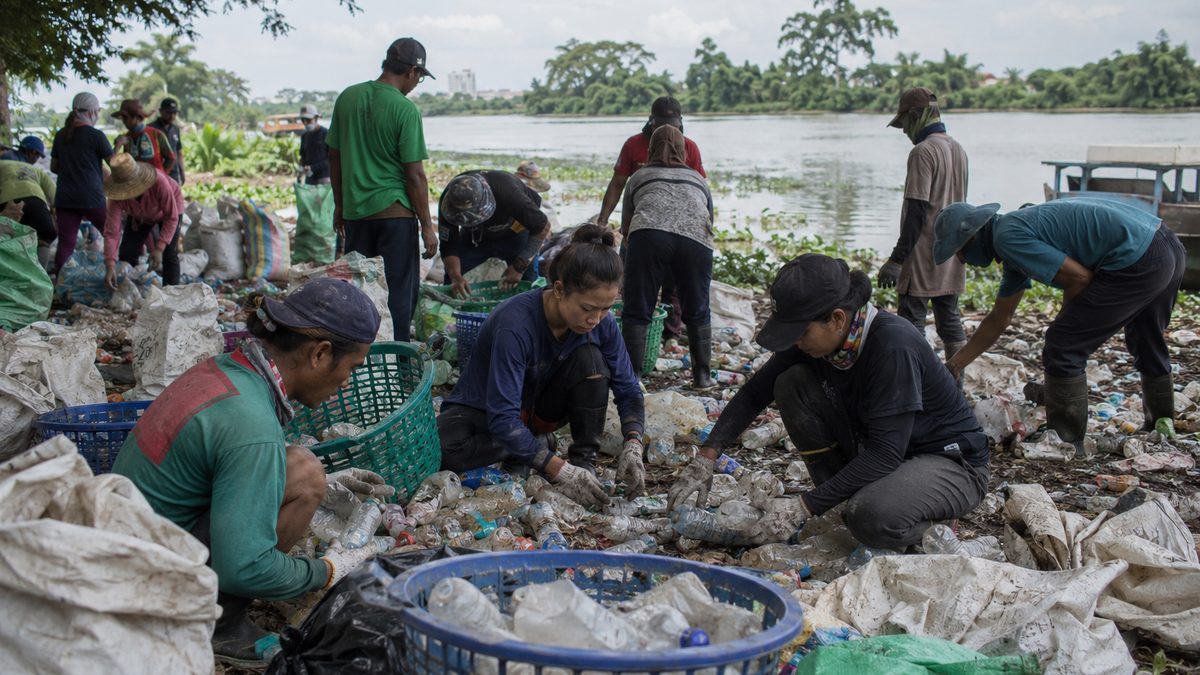
Plastic pollution reaches rivers and oceans through packaging, waste collection gaps, recycling limits and disposal systems. Editorial illustration by TheDailyGlobe.
Key Facts
- The OECD says plastics production and use have increased 230-fold since 1950.
- The OECD reports that short-lived plastic products create environmental and health risks.
- Rivers can carry plastic waste from inland communities to coastal waters and oceans.
- UNEP says extended producer responsibility programs are increasingly being used to address plastic pollution.
- Experts say reducing pollution requires both waste-management improvements and efforts to limit plastic entering the waste stream.
After a heavy rain, it does not take long for plastic waste to become visible. Bottles, food wrappers, bags and packaging can collect along riverbanks, drainage canals and waterways that run through cities and towns. What looks like a local cleanup problem often turns out to be part of a much larger system that stretches from product design and packaging decisions to waste collection, recycling and disposal.
Environmental organizations say that understanding those systems is essential to understanding why plastic pollution continues to reach rivers and oceans despite decades of cleanup campaigns and growing public awareness. The issue is not simply about litter. It is also about how modern economies produce, use and manage plastic products after they are thrown away.
Why Rivers Matter in the Plastic Pollution Story
Many people picture ocean plastic as a problem that begins at the coast. In reality, rivers often serve as transportation routes that move waste from inland areas toward larger bodies of water. Plastic that escapes collection systems can be carried through drainage networks, streams and rivers before eventually reaching coastal environments.
That is one reason environmental experts pay close attention to local waste infrastructure. A city may be located hundreds of miles from the ocean, yet shortcomings in collection, transport or disposal can still contribute to pollution downstream. The connection between rivers and oceans means that local decisions can have wider environmental effects.
River pollution can also affect communities before plastic ever reaches the sea. Accumulated waste may contribute to clogged drainage systems, increase cleanup costs and affect local waterways used for recreation, fishing or transportation.
The Limits of Recycling Alone
Recycling remains an important part of waste management, but organizations such as the OECD and UNEP caution against treating it as a complete solution. Plastic production has grown dramatically over the past several decades, and recycling systems often struggle to keep pace with the volume and variety of materials entering the market.
Some products are difficult to recycle because they combine multiple materials or use packaging designs that are costly to process. Others may technically be recyclable but still fail to move through local recycling systems because collection services, facilities or markets are limited.
As a result, environmental groups increasingly focus on reducing waste before it becomes pollution rather than relying solely on recycling after the fact.
What Producer Responsibility Means
One approach receiving growing attention is known as extended producer responsibility, often shortened to EPR. According to UNEP, these programs are becoming more common as governments search for ways to address plastic pollution.
The basic idea is that companies that produce or sell packaged goods may be required to help finance or support the collection, recycling or management of the waste those products create. Supporters argue that this can shift some costs away from local governments and taxpayers while encouraging packaging designs that generate less waste.
However, EPR programs vary widely from one jurisdiction to another. Officials continue debating how responsibilities should be divided among manufacturers, retailers, waste-management systems and consumers.
What Remains Unclear
Despite growing international attention, several important questions remain unanswered. It is not yet clear whether ongoing global treaty discussions will produce enforceable standards for reducing plastic pollution. Governments also continue debating how aggressive future regulations should be and how costs should be distributed.
Another uncertainty involves waste-system capacity. Even if producer-responsibility programs expand, communities will still need collection networks, processing facilities and enforcement mechanisms capable of handling large volumes of material. Whether those systems can keep pace with future packaging growth remains an open question.
What Readers Should Watch Next
In the coming years, observers will be watching several areas closely: negotiations over international plastic agreements, new producer-responsibility laws, changes in packaging standards and investments in waste-management infrastructure. Those developments may provide a clearer picture of whether governments and industries are reducing the amount of plastic entering waterways in the first place.
For readers in the United States and elsewhere, the larger lesson is that plastic pollution is not simply a matter of individual behavior. Cleanup efforts remain valuable, but rivers and oceans are affected by decisions made long before a piece of plastic reaches the water. Product design, packaging choices, collection systems and disposal practices all play a role in determining whether waste stays contained or becomes part of a growing environmental challenge.
Reporting note: Reporting draws on OECD environmental analysis, United Nations Environment Programme materials, global environmental data research, and reviewed background materials. This article was produced with AI-assisted research and reviewed by an editor before publication.