Iran Agrees to Return of UN Nuclear Inspectors
Iran's agreement to allow United Nations nuclear inspectors back into the country marks the most significant development yet in negotiations aimed at ending months of conflict between Washington and Tehran.
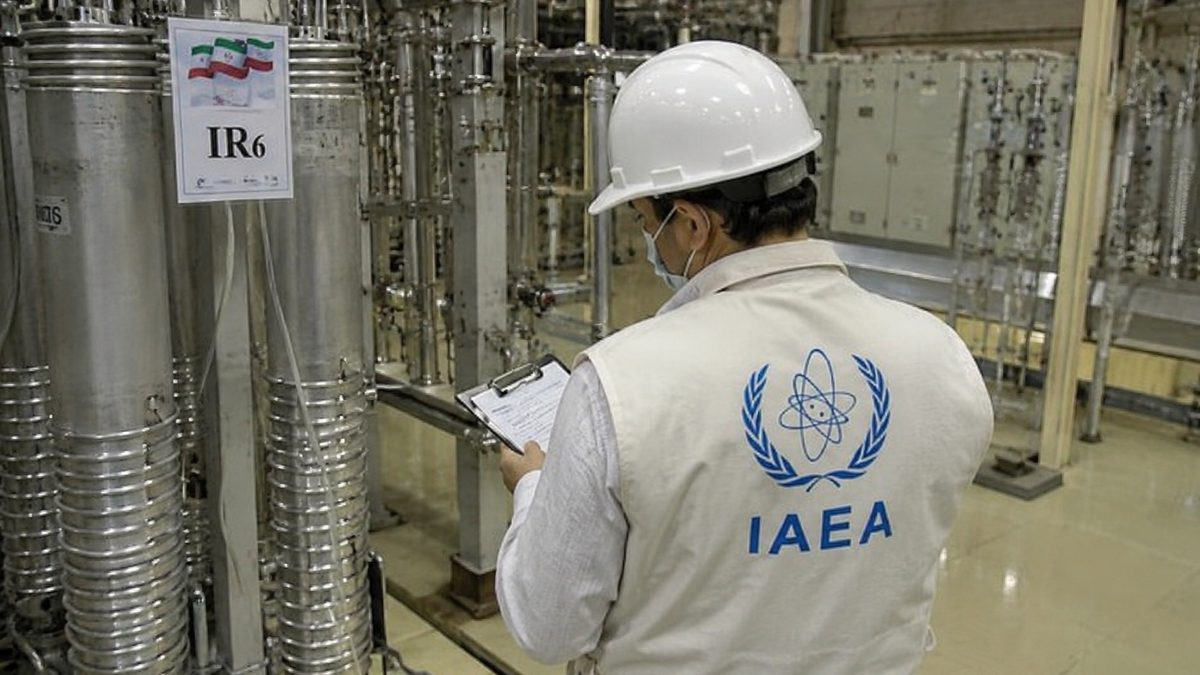
Negotiators reported progress toward a broader agreement as Iran agreed to the return of United Nations nuclear inspectors. Editorial illustration by TheDailyGlobe.
Key Facts
- Iran has agreed to allow UN nuclear inspectors to return.
- U.S. and Iranian negotiators reported progress toward a broader agreement.
- Officials are discussing sanctions, regional security, and verification measures.
- No final peace agreement has been announced.
- Additional technical negotiations are expected in the coming weeks.
Iran's decision to allow United Nations nuclear inspectors back into the country has emerged as the most significant development yet in ongoing negotiations between Tehran and Washington, offering the clearest sign that both sides may be moving toward a broader agreement after months of conflict and regional instability.
The announcement came as negotiators continued talks in Switzerland aimed at transforming a fragile ceasefire into a more durable diplomatic framework. While officials from both countries cautioned that major issues remain unresolved, the inspectors' return addresses one of the central concerns raised by the United States and its allies throughout the crisis: independent verification of Iran's nuclear activities.
Why the Inspectors Matter
International nuclear inspectors play a critical role in verifying compliance with agreements involving nuclear programs. Their presence allows outside experts to monitor facilities, review records, and provide independent assessments regarding whether commitments are being followed.
For American officials, verification has long been viewed as one of the most important components of any lasting agreement with Iran. Previous negotiations repeatedly stalled over questions involving inspections, access, and transparency. By agreeing to the inspectors' return, Iran appears to be signaling a willingness to address at least one of the largest obstacles that has complicated negotiations for years.
What Changed
The latest diplomatic breakthrough follows months of military tension that disrupted regional stability and raised concerns about a broader conflict. Fighting earlier this year threatened shipping routes, increased pressure on global energy markets, and heightened fears that the confrontation could expand beyond the immediate participants.
Since a ceasefire was reached, negotiators have worked to convert the temporary halt in hostilities into a framework that could reduce the likelihood of future conflict. Recent discussions have focused on sanctions, inspection procedures, regional security arrangements, and mechanisms designed to prevent future escalation.
Officials involved in the talks described the negotiations as constructive while emphasizing that substantial work remains before any final agreement can be completed.
The Stakes for the United States
Although the negotiations are taking place thousands of miles from Washington, the outcome could affect Americans in several ways. The stability of global energy markets remains closely tied to developments in the Persian Gulf, particularly around the Strait of Hormuz, one of the world's most important shipping corridors.
Any reduction in regional tensions could help reduce uncertainty in energy markets and lower the risk of disruptions that affect fuel prices, international trade, and broader economic activity. The negotiations also carry implications for U.S. military commitments, defense planning, and relationships with allies throughout the Middle East.
For policymakers in Washington, a successful agreement could provide an opportunity to shift attention toward other strategic priorities while reducing the possibility of another costly regional conflict.
The Issues Still Unresolved
Despite the positive developments, negotiators have not yet resolved several of the most difficult issues facing the talks. Sanctions remain one of the largest areas of disagreement. Iranian officials continue seeking relief from economic restrictions that have affected trade, investment, and access to international financial systems.
American officials, meanwhile, have emphasized the need for strong verification measures and enforceable commitments. Questions remain about how future inspections would operate, what consequences would follow potential violations, and how compliance disputes would be resolved.
Regional security arrangements also remain under discussion. Negotiators continue working through questions involving military activity, maritime security, and the role of neighboring countries that have closely followed the talks.
Political Challenges Ahead
Even if negotiators ultimately reach a broader agreement, political obstacles are likely to remain. Supporters argue that diplomacy offers the best opportunity to prevent future conflict while creating a framework for monitoring nuclear activity. Critics have questioned whether any agreement can provide sufficient guarantees and whether concessions offered by either side could create future risks.
Those debates are expected to intensify as negotiations move closer to any final deal. Lawmakers, foreign-policy experts, regional allies, and security officials will likely examine the details carefully before offering support or opposition.
What Happens Next
For now, the most important development is that negotiations remain active and that both sides continue to report progress rather than breakdowns. The return of UN inspectors represents a concrete step rather than a general diplomatic statement, giving negotiators a measurable accomplishment to point to as discussions continue.
Additional technical meetings are expected over the coming weeks as negotiators work through sanctions, verification procedures, enforcement mechanisms, and regional security issues. Whether those discussions ultimately lead to a lasting agreement remains uncertain, but today's announcement marks one of the clearest signs yet that diplomacy has gained momentum after months of conflict.
Reporting note: Reporting draws on public statements from U.S. and Iranian officials, international diplomatic reporting, and coverage of negotiations conducted in Switzerland. This article was produced with AI-assisted research and reviewed by an editor before publication.