Drowning Prevention Is a Child Safety System, Not Just a Summer Warning
Drowning prevention works best as a layered safety system: supervision, barriers, water skills, emergency response and local planning.
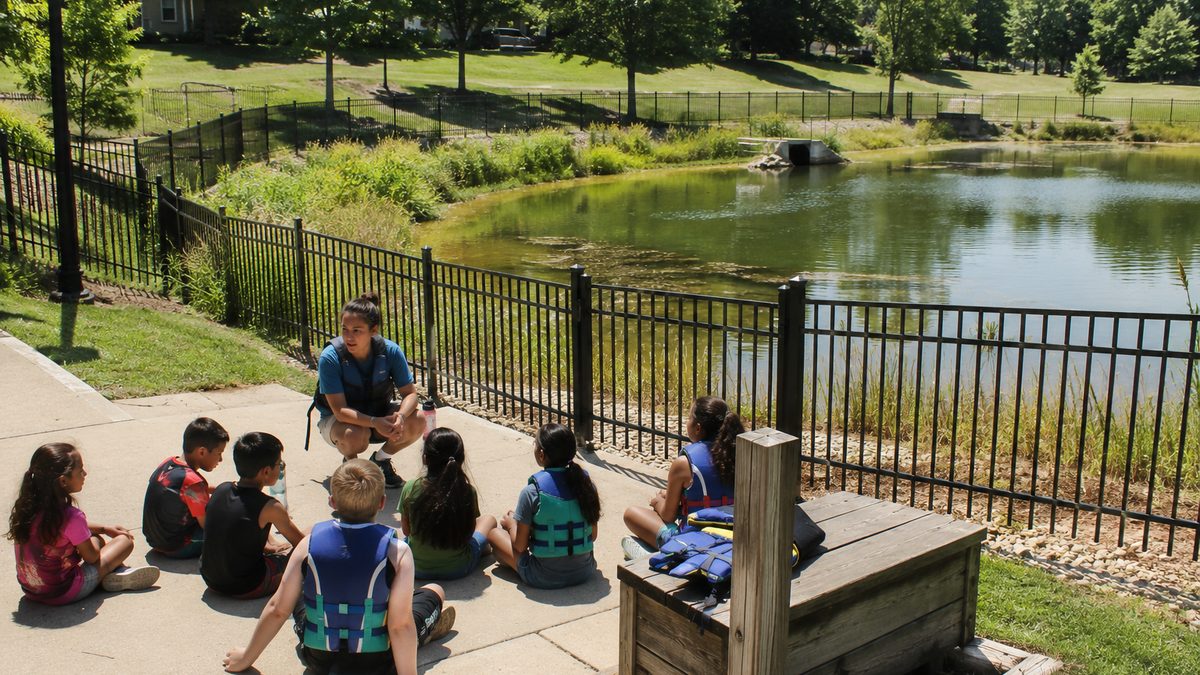
Drowning prevention depends on supervision, barriers, water-safety skills, emergency response and community planning. Editorial illustration by TheDailyGlobe.
Key Facts
- WHO says drowning causes an estimated 236,000 deaths every year.
- WHO says drowning is among the ten leading causes of death for children ages 5 to 14.
- WHO says more than 90 percent of drowning deaths occur in rivers, lakes, wells, domestic water storage vessels and swimming pools in low- and middle-income countries.
- UNICEF advises supervision, water safety skills and emergency response training as prevention steps.
- Prevention depends on local investment, training, safe spaces, barriers and family awareness.
A child does not need a dramatic storm or a crowded beach for water to become dangerous. Risk can appear near a pond, a well, a riverbank, a pool, a bucket, a water storage container or a familiar place adults pass every day.
That is why drowning prevention is not only a summer reminder to watch children near water. Public health agencies treat it as a safety system. The system includes supervision, barriers, swimming and water-safety skills, emergency response training and local planning that fits the water risks in each community.
The World Health Organization says drowning causes an estimated 236,000 deaths every year and is among the ten leading causes of death for children ages 5 to 14. UNICEF advises supervision, water safety skills and emergency response training as part of prevention.
Why the Risk Looks Different Around the World
Drowning risk is not the same everywhere. In some communities, the concern may be swimming pools, beaches or boating. In others, it may be rivers used for daily travel, wells near homes, irrigation channels, ponds, floodwater or water stored in and around the house.
WHO says more than 90 percent of drowning deaths occur in rivers, lakes, wells, domestic water storage vessels and swimming pools in low- and middle-income countries. That detail matters because it shifts the story away from a narrow image of summer recreation.
For many families, water is part of ordinary life. Children may live near open water, help with chores, walk near canals, play close to wells or cross water for school and family needs. In those places, prevention cannot depend only on one adult remembering one warning. It has to be built into the environment.
The Layers That Prevent Drowning
The most practical way to understand drowning prevention is in layers. No single layer works perfectly every time. Together, they reduce risk.
Supervision is one layer. Children near water need close attention from adults or responsible caregivers. That sounds simple, but real life makes it hard. Adults may be working, caring for other children, cooking, traveling, using a phone or assuming another adult is watching.
Barriers are another layer. Fences, covered wells, safer water storage, protected community ponds, safer play areas and controlled access to pools or open water can help keep children from reaching danger before an adult notices.
Skills are a third layer. Water-safety education, age-appropriate swimming lessons and basic awareness of local water risks can help children and adults make safer choices. UNICEF also points to emergency response training, including CPR and basic water rescue skills, as part of prevention.
Those layers work best when they are local. A beach town, a rural farming village, a flood-prone area and an apartment complex with a pool do not need the exact same plan. Each needs a plan that fits the water children actually encounter.
Why This Is More Than a Parenting Reminder
It is easy to talk about drowning as if prevention belongs only to parents. Parents and caregivers do play a central role. But the global numbers show why public health agencies treat drowning as a broader safety issue.
Schools can teach water safety. Local governments can improve barriers around dangerous water. Communities can create safer places for children to play. Health systems and emergency responders can support training. Public agencies can collect better data and identify where children face the greatest risk.
That systems approach does not replace family responsibility. It supports it. A caregiver has a better chance of protecting a child when wells are covered, pools are fenced, swimming lessons are available, emergency help is trained and local risks are clearly understood.
What Families Can Take From the Guidance
The useful takeaway for families is not panic. It is a safety checklist mindset.
Where can a child reach water quickly? Who is watching when children are near water? Are there barriers between children and water when adults are not actively supervising? Do children have age-appropriate water-safety skills? Do adults know where to find local emergency and CPR training?
Those questions apply differently depending on the household. A family with a backyard pool faces different choices than a family near a river, a lake, a farm pond or a flood-prone road. The common point is that water safety should be planned before the risky moment arrives.
The article should not be read as local emergency guidance or a substitute for professional training. Families should follow local safety rules, pool regulations, school guidance, emergency instructions and qualified training resources where they live.
What Remains Unclear
The strongest prevention steps require more than awareness. It remains unclear how widely community-level prevention programs will be funded, whether more schools will add water-safety training, and whether local governments will invest in barriers, safer play areas and emergency response training.
That uncertainty matters because drowning prevention is often most effective before a crisis happens. Waiting until after a tragedy leaves families and communities reacting instead of preparing.
World Drowning Prevention Day, school water-safety programs, community barriers and local emergency training are worth watching because they show whether prevention is becoming routine or staying seasonal.
The plain lesson is that drowning prevention works best when it is treated like a child safety system. Supervision matters. So do barriers, skills, training and planning. The goal is not to make families afraid of water. It is to make sure children can live, learn and play around water with more layers of protection in place.
Reporting note: Reporting draws on World Health Organization drowning prevention materials, the WHO global status report on drowning prevention, UNICEF child safety guidance, and reviewed background materials. This article was produced with AI-assisted research and reviewed by an editor before publication.