Diabetes Is Becoming a Family Budget Issue in the Middle East
WHO regional data shows diabetes is affecting tens of millions of adults across the Eastern Mediterranean Region, adding pressure to families, clinics and household budgets.
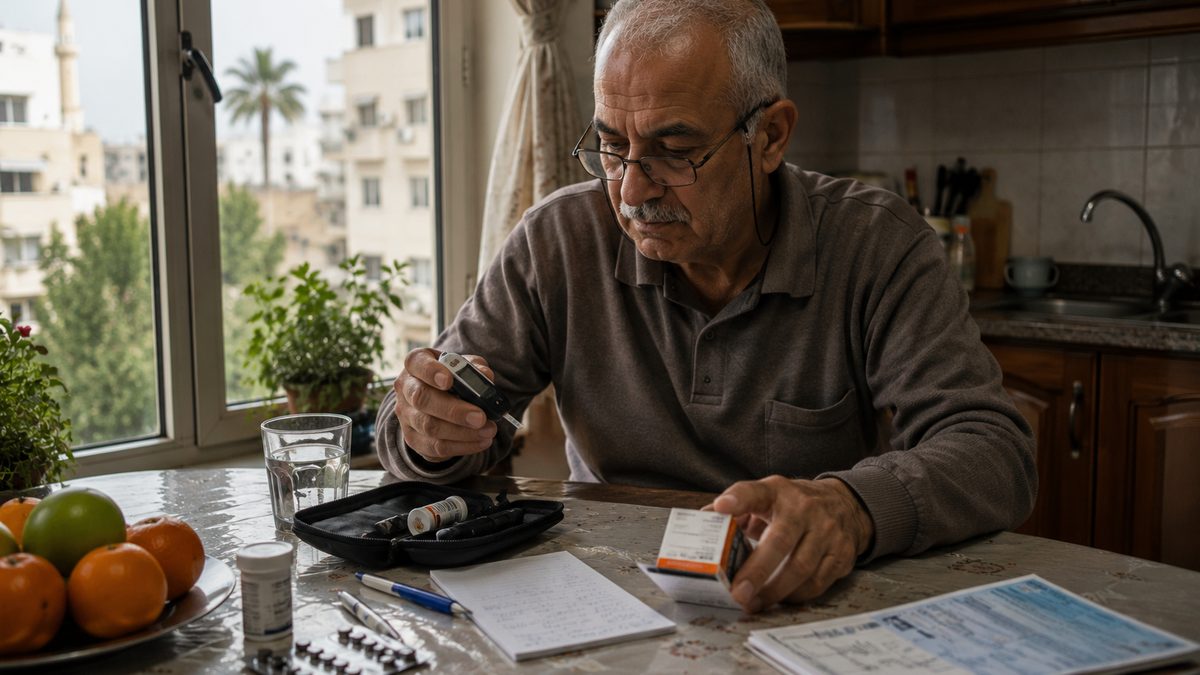
Diabetes in the Eastern Mediterranean Region affects health systems, working-age adults and family budgets. Editorial illustration by TheDailyGlobe.
Key Facts
- WHO EMRO reports adult diabetes prevalence in the Eastern Mediterranean Region at 17.6%, the highest regional prevalence among adults ages 20 to 79.
- WHO EMRO says almost 85 million adults in the region are living with diabetes, with the figure projected to rise to 163 million by 2050.
- WHO EMRO reported approximately 457,000 diabetes-related deaths among adults ages 20 to 79 in 2024.
- WHO EMRO says nearly one-third of diabetes cases in the region remain undiagnosed.
- IDF Diabetes Atlas materials say diabetes-related expenditure in the region totaled about $35 billion in 2024.
For families managing diabetes, the cost is rarely just one doctor's visit or one prescription. It can mean testing supplies, medicines, clinic appointments, food planning, missed work and the long worry that a treatable condition could become something harder to control.
Across the Eastern Mediterranean Region, that private household pressure is becoming a major public-health challenge. WHO's Eastern Mediterranean Regional Office says the region has the highest regional prevalence of diabetes among adults ages 20 to 79, with adult prevalence reported at 17.6%.
WHO EMRO says almost 85 million adults in the region are living with diabetes, and that number is projected to rise 92% to 163 million by 2050. The scale matters because diabetes is not only a medical diagnosis. It can reshape family budgets, work lives and the everyday demands placed on primary-care clinics.
A Chronic Disease With Daily Costs
Diabetes often becomes visible in family life through routine expenses and small decisions that repeat month after month. A household may need to pay for testing, medicine, transportation to appointments or changes in food. A working adult may miss time for care. A relative may need help tracking visits or managing complications.
That is why the regional numbers carry a practical meaning. WHO EMRO says diabetes is one of the region's major noncommunicable disease priorities, and IDF Diabetes Atlas materials put diabetes-related expenditure in the region at about $35 billion in 2024.
The cost is not the same in every country or every family. Health-system capacity, insurance coverage, medicine access, income and conflict conditions can change what diabetes management looks like from one place to another. But the broad pressure is clear: a chronic disease that requires steady care can strain both public systems and household finances.
Working-Age Adults Are Part of the Warning
WHO EMRO reported approximately 457,000 diabetes-related deaths among adults ages 20 to 79 in 2024. The agency also says the region has the highest proportion of diabetes-related deaths among working-age individuals under 60, at 21.6%.
That matters because diabetes does not only affect older adults. When working-age people become seriously ill or die, families can lose income, caregiving capacity and stability. Employers and health systems feel that pressure too, especially when the condition is not diagnosed early or managed consistently.
The undiagnosed share is a major part of the problem. WHO EMRO says nearly one-third of diabetes cases remain undiagnosed, and IDF materials also say one in three adults living with diabetes in the region is undiagnosed. Diagnosis gaps are not the same as treatment gaps, but they can delay care until the disease has already caused more damage.
Why Primary Care Matters
Diabetes care depends heavily on the health services people can reach before a crisis. Screening, follow-up visits, medicine access, testing, counseling and monitoring all matter. When primary care is weak, expensive, far away or interrupted, families may struggle to manage a condition that needs steady attention.
WHO EMRO says its regional diabetes framework covers governance, prevention, management, surveillance and research. The agency says the framework outlines 30 strategic interventions across four key areas.
Those categories can sound technical, but they point to everyday needs: finding people who have diabetes and do not know it, helping patients stay connected to care, making medicines and testing easier to access, and tracking whether programs are actually reaching the people most at risk.
Crisis Conditions Make Care Harder
The regional challenge is made harder by broader health conditions. WHO EMRO says noncommunicable diseases account for 66% of all deaths in the Eastern Mediterranean Region. The agency also says diabetes vulnerability is compounded by humanitarian crises.
That point is important because diabetes care can be disrupted by conflict, displacement, damaged clinics, lost income and interrupted medicine supplies. A person who needs regular monitoring and treatment may face much higher risk when health systems are under stress.
The article should not frame diabetes only as a lifestyle issue. Food choices, activity and prevention matter, but families also face structural barriers: cost, access to clinics, availability of medicine, crisis conditions and whether health systems can provide long-term care.
What Remains Unclear
Several practical questions remain unresolved. It is unclear how quickly countries can expand screening and primary care, especially in places dealing with humanitarian crises or strained public budgets.
It is also unclear whether medicine, testing and chronic-care access will become more affordable for families that already face pressure from food, housing, transportation and lost work. Prevention programs may help, but the key test is whether they reach working-age adults, lower-income households and communities with limited access to routine care.
The next signs to watch are whether diagnosis gaps shrink, whether primary-care systems can keep patients connected to treatment, and whether the rising diabetes burden is handled early enough to prevent more families from facing higher costs and worse health outcomes later.
Reporting note: Reporting draws on WHO Eastern Mediterranean Regional Office materials, WHO regional diabetes reporting, IDF Diabetes Atlas materials, and reviewed public health context. This article was produced with AI-assisted research and reviewed by an editor before publication.