Why Public Transit Cuts Hit More Than Daily Commuters
When buses and trains run less often, the effects extend beyond commuters. Service reductions can influence jobs, healthcare access, school schedules, and household budgets.
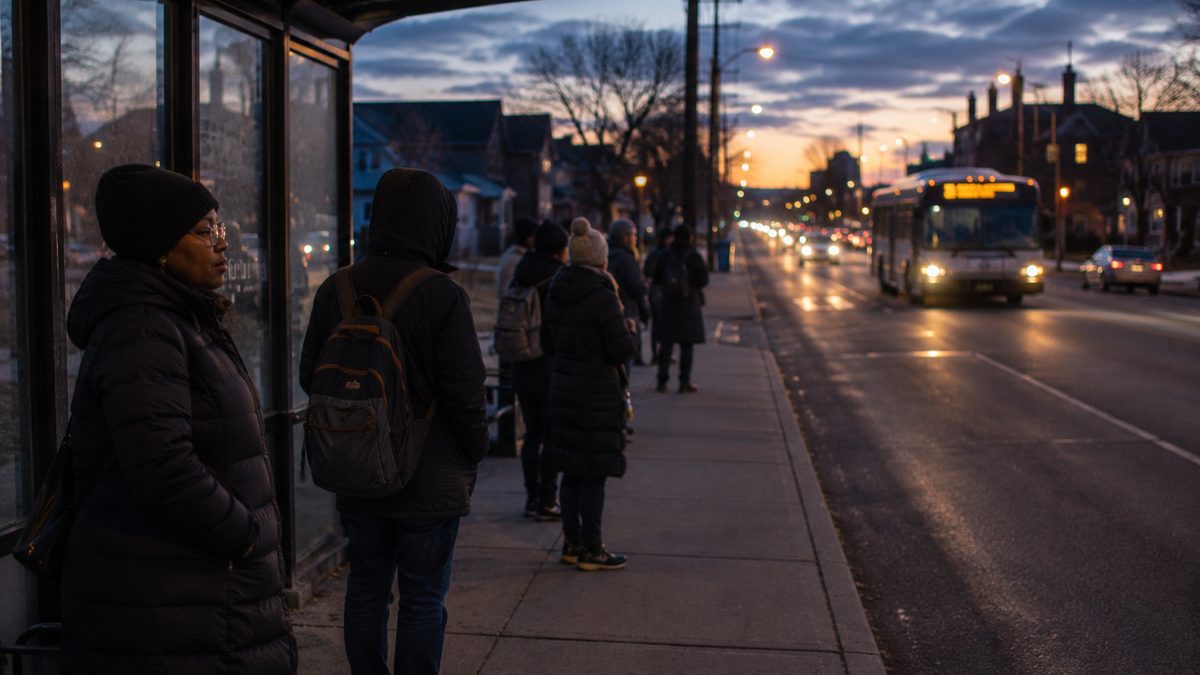
Transit cuts can affect work schedules, school access, healthcare trips, and household budgets. Editorial illustration by TheDailyGlobe.
Key Facts
- Transportation for America says U.S. cities generally operate fewer public transit vehicles than many international peer systems.
- The organization estimates the United States would need to nearly triple transit vehicles in service over roughly two decades to approach world-class transit availability.
- The Federal Transit Administration's fiscal year 2026 recommendations include major capital funding for transit infrastructure projects.
- Many local transit agencies continue facing operating budget pressures that can lead to reduced service frequency, route changes, or delayed improvements.
When a bus that once arrived every 15 minutes begins coming every 30 or 45 minutes, the change can ripple through an entire day. A parent may struggle to reach daycare before closing. A hospital employee working an early shift may need to leave home much earlier. A student could arrive late to class more often, even if the route itself still exists.
Transit systems rarely disappear overnight. More often, they reduce service gradually by running fewer buses, trimming routes, delaying improvements, or shortening operating hours. Those changes may seem modest at first, but they can make everyday travel less reliable for the people who depend on public transportation.
Why Frequency Matters
For many riders, the biggest challenge is not whether a route exists but how often it runs. A missed bus on a high-frequency route may delay someone by only a few minutes. On a route with limited service, the same missed connection could mean waiting half an hour or longer.
That difference can affect more than commuting. Public transit is also used for medical appointments, grocery shopping, school, job interviews, childcare, and other routine trips. When schedules become less dependable, planning everyday life becomes more difficult for households that rely on buses or trains.
Budget Pressures Come in Different Forms
Transportation funding often involves two separate challenges. Capital funding pays for large projects such as new rail lines, station improvements, replacement buses, and major infrastructure upgrades. Operating budgets cover the day-to-day cost of running service, including drivers, fuel, maintenance, and dispatching.
Federal Transit Administration funding recommendations largely focus on long-term capital investments. Those investments can improve transit systems over time, but they do not necessarily solve short-term operating budget gaps that local agencies face. As a result, a transit agency may receive support for future infrastructure while still making difficult decisions about current service levels.
The Effects Reach Beyond Big Cities
Public transportation is often associated with major metropolitan areas, but smaller cities and regional systems also provide essential connections for workers, students, older adults, and people with disabilities. In many communities, transit offers access to jobs for residents who do not own a reliable vehicle or cannot drive.
Reduced service can also affect employers. Businesses that rely on shift workers may find it more difficult to hire or retain employees if transportation options become less dependable. Downtown shops, healthcare providers, educational institutions, and other community services can all feel the effects when fewer riders are able to travel easily.
What Remains Unclear
It remains uncertain which communities will experience the most significant service reductions over the next several years. Local tax revenue, ridership trends, labor availability, and future federal, state, and local funding decisions may all influence how transit agencies adjust their schedules.
Another open question is how changing work patterns will affect transit systems. Hybrid work has altered commuting habits in many regions, and it is still unclear how those long-term shifts will shape fare revenue and future service planning.
What Riders Should Watch
For most households, the biggest changes are likely to appear in everyday schedules rather than major construction announcements. Service frequency, operating hours, route changes, and reliability often have the greatest effect on whether public transportation fits into daily life.
As transit agencies continue balancing operating costs with long-term investment needs, riders may increasingly pay attention not only to whether their local system remains available, but also to how often it runs and whether it continues meeting the practical needs of the communities it serves.
Reporting note: Reporting draws on Transportation for America research, Federal Transit Administration materials, and reviewed background information. This article was produced with AI-assisted research and reviewed by an editor before publication.