Why Grocery Prices Still Feel High Even When Inflation Slows
Slower inflation does not mean grocery prices are falling. Here's why many families continue to feel pressure at the checkout line.
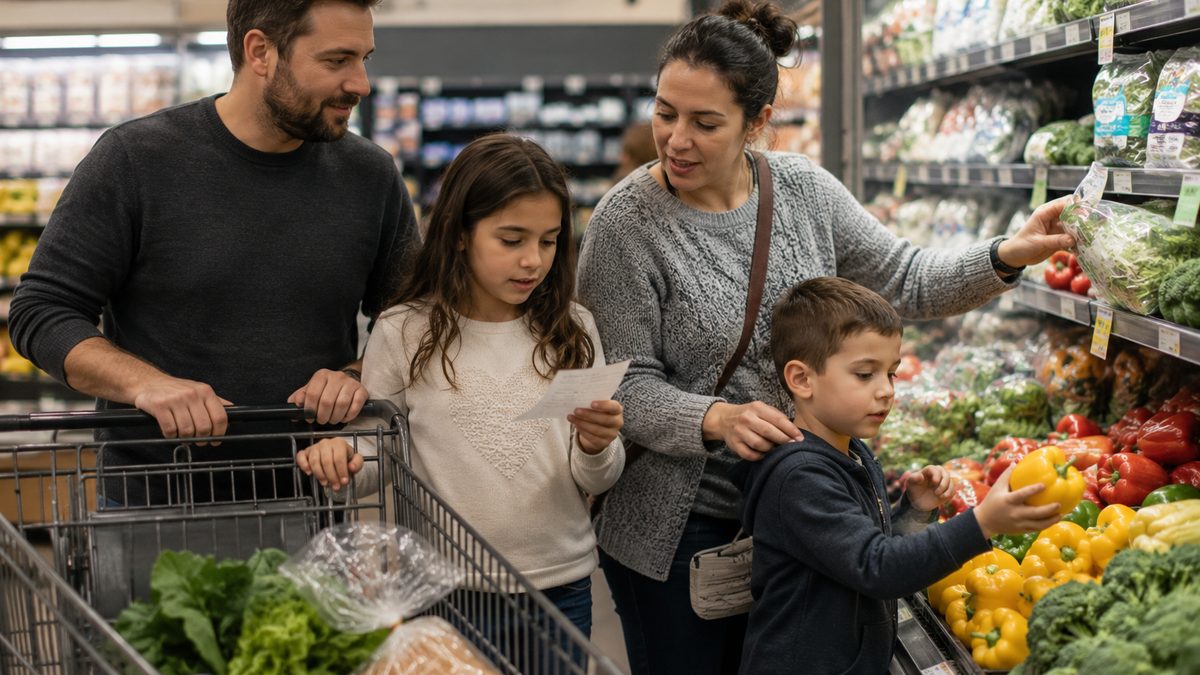
Many households continue to feel pressure from grocery costs even as overall inflation has slowed. Editorial illustration by TheDailyGlobe.
Key Facts
- The USDA tracks grocery and restaurant price trends through its Food Price Outlook.
- The agency projects seven of 15 food-at-home categories will increase faster than their 20-year historical average during 2026.
- Categories expected to see stronger price growth include beef and veal, fresh fruits, fresh vegetables, and seafood.
- USDA reported that 86.3% of U.S. households were food secure in 2024, while 13.7% experienced food insecurity.
- Food prices do not rise evenly across every product, grocery store, or region of the country.
Many shoppers have noticed a confusing disconnect. Headlines say inflation has slowed, yet a trip to the grocery store can still leave families wondering why their weekly bill feels so high. Both observations can be true at the same time. A slower rate of inflation does not mean prices are falling. It means prices are continuing to rise, but at a slower pace than before.
That distinction matters for households trying to stretch every paycheck. According to the U.S. Department of Agriculture, several grocery categories are projected to see price increases in 2026 that exceed their 20-year historical averages, even as broader inflation pressures have eased compared with previous peaks.
Why Slower Inflation Can Still Feel Expensive
Inflation measures how quickly prices change over time. When inflation slows, it does not erase previous price increases. Instead, it means prices are climbing more slowly than they were before. If a gallon of milk or a package of meat became significantly more expensive over the past few years, a slower inflation rate does not automatically bring those prices back down.
For many households, grocery shopping is one of the most visible reminders of rising living costs because food is purchased every week. Small increases spread across dozens of items can add noticeably to a family's monthly budget, even when no single purchase feels dramatically more expensive.
Which Foods Could See Larger Increases
The USDA's Food Price Outlook projects that several food-at-home categories may experience price growth above their long-term averages during 2026. Those categories include beef and veal, fresh fruits, fresh vegetables, and seafood.
That does not mean every item in those categories will rise by the same amount, nor does it mean every grocery department will become more expensive. Weather conditions, transportation costs, production levels, seasonal supply, and regional market conditions can all influence prices differently from one community to another.
Some products may remain relatively stable while others increase more noticeably, which is one reason shoppers often experience grocery inflation differently depending on what they regularly buy.
Why Families May Still Feel Squeezed
The USDA also tracks food security, a measure of whether households have consistent access to enough food for an active, healthy life. The agency reported that 86.3% of U.S. households were food secure in 2024, meaning 13.7% experienced some level of food insecurity during the year.
Those figures illustrate why grocery prices remain an important kitchen-table issue. Even modest price increases can be difficult for households already balancing rent or mortgage payments, utility bills, child care, transportation costs, medical expenses, and other necessities.
Many families also adjust their shopping habits as prices change. They may buy different brands, purchase fewer premium products, wait for sales, or substitute one type of food for another. Those decisions can reduce spending, but they also affect how shoppers experience rising prices in everyday life.
What Remains Unclear
It is not yet clear whether grocery price pressure will ease at the same pace across the country during 2026. Regional differences in food production, transportation, weather, and local competition can all influence what shoppers ultimately pay.
It is also difficult to measure exactly how household shopping choices change the feeling of inflation. Two families with similar incomes may have very different grocery bills depending on where they live, the foods they buy, and how often they are able to substitute less expensive alternatives.
What Shoppers Should Watch
The USDA updates its Food Price Outlook throughout the year as new information becomes available. Those updates can provide a clearer picture of whether price forecasts are changing and which food categories are seeing the largest adjustments.
For now, the broader takeaway is straightforward. Inflation slowing is welcome news, but it does not mean grocery prices have returned to earlier levels. For many households, food costs remain one of the clearest examples of why everyday living expenses can still feel challenging even as broader economic indicators show improvement.
Reporting note: Reporting draws on U.S. Department of Agriculture Food Price Outlook data, USDA Economic Research Service materials, official agency statistics, and reviewed background materials. This article was produced with AI-assisted research and reviewed by an editor before publication.