Congress Is Moving a Major Housing Bill Forward, but Buyers May Not Feel Relief Quickly
Congress has advanced a broad bipartisan housing bill aimed at supply, manufactured housing, investor purchases and regulatory barriers, but local markets will shape how much relief buyers and renters feel.
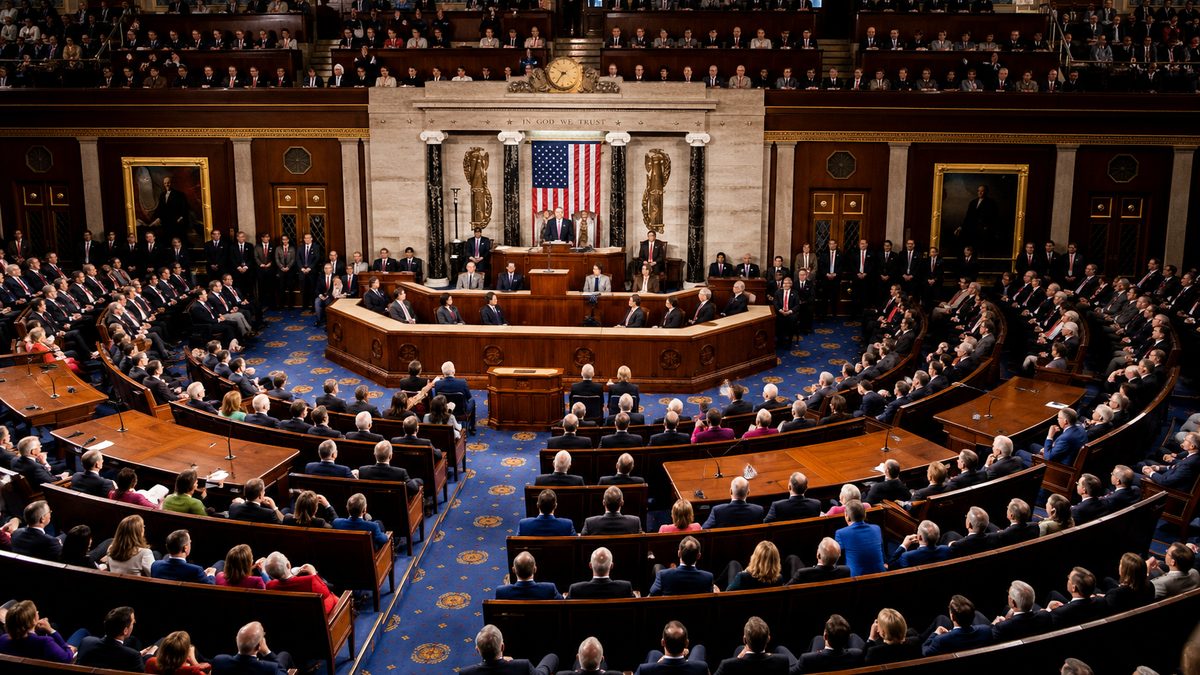
A bipartisan housing bill could change federal housing policy, but affordability relief may take time. Editorial illustration by TheDailyGlobe.
Key Facts
- The Senate passed the bipartisan housing bill 85-5.
- The House later gave final approval to the housing package.
- The bill aims to increase housing supply and lower costs.
- Major pieces include permitting and regulatory changes, manufactured housing provisions, affordable housing support and limits on large investor purchases.
- The practical effect will depend heavily on final presidential action, implementation and local housing markets.
A family watching home prices climb may see a major housing bill move through Congress and wonder the most practical thing: will this make a home cheaper anytime soon?
Congress has advanced a broad bipartisan housing package aimed at increasing supply and lowering costs. The Senate passed the bill 85-5, and the House later gave final approval. The measure now depends on final presidential action and, if enacted, implementation across federal, state and local systems.
The bill is meant to address a problem that has become hard to escape in many communities: too few homes at prices ordinary buyers and renters can afford. But even a large federal bill does not instantly change what a family sees in a local listing, a mortgage estimate or a monthly rent bill.
What the Bill Is Trying to Change
The housing package is built around a basic idea: affordability cannot improve much unless the country has enough homes in the places people need them. That includes homes for first-time buyers, rentals for families that cannot yet buy, manufactured housing, and affordable units for households already stretched thin.
The bill includes permitting and regulatory changes intended to make housing easier to build. It also includes provisions related to manufactured housing, which can be a lower-cost path for some buyers, and affordable housing support meant to help households that are priced out of market-rate options.
Another piece focuses on large investor purchases of single-family homes. The concern is that when major investors buy homes that might otherwise be available to families, local buyers can face more competition and fewer options. The bill includes limits aimed at that part of the market.
Why Supply Matters More Than Promises
Housing policy often sounds complicated because it runs through zoning, permits, financing, infrastructure, construction labor and local rules. But for buyers and renters, the math is simpler: when there are not enough homes, the homes that do exist become harder to afford.
Federal action can encourage more supply, reduce some barriers and send money or incentives into housing programs. It cannot, by itself, decide where every home is built, how fast local governments approve projects, whether builders can find workers, or whether land and financing costs make a project possible.
That is why supporters can describe the bill as a major housing effort while buyers may still need patience. New supply takes time. Manufactured housing changes require lenders, producers, buyers and regulators to adjust. Affordable housing support can help, but it still has to reach actual projects and households.
Why Relief May Be Uneven
The bill's impact will not look the same everywhere. A fast-growing city with high land costs may respond differently than a rural county with available land but limited infrastructure. A suburb with strict zoning may still face local barriers. A market dominated by investor activity may feel investor limits differently than a market where supply is the bigger problem.
For renters, relief may depend on whether new units are built at prices they can actually pay. For first-time buyers, the key question is whether more entry-level homes become available. For manufactured-housing buyers, the test is whether financing and regulatory changes make that option easier to use without creating new risks.
Critics question whether federal changes will lower prices quickly enough for buyers. That is a fair concern because housing costs are shaped by local conditions as much as national policy. Local zoning, labor availability, land costs and financing constraints can blunt the effect of federal changes.
The Political Test Is Practical
The bill's strong bipartisan votes show that housing affordability has become difficult for either party to ignore. Families priced out of homeownership, renters facing higher costs and builders dealing with regulatory barriers all make the issue politically hard to dismiss.
But the public test is not whether lawmakers can call the bill a win. The test is whether it changes actual housing availability. A family looking for a starter home will not feel relief from a floor speech. A renter will not feel relief from a press release. The effect has to show up in homes that can be built, financed, rented or bought.
That makes implementation the next important stage. Federal agencies, lenders, builders, local governments and state housing systems will all affect how much of the law becomes visible in ordinary housing markets.
What Buyers and Renters Should Watch
For now, buyers and renters should not expect instant affordability relief. The clearest signs to watch are whether local governments change permitting or zoning practices, whether manufactured housing becomes easier to finance, whether affordable housing support reaches projects, and whether investor limits affect the number of single-family homes available to regular buyers.
It also remains unclear how quickly new supply could reach households, whether investor limits will meaningfully affect local prices, and whether construction costs or financing conditions will slow the bill's intended effects.
The bill is a major federal move on a problem families feel every month. The next question is whether it can move from congressional action to more homes people can actually afford.
Reporting note: Reporting draws on Associated Press congressional reporting, national housing coverage, legislative materials, and reviewed housing policy context. This article was produced with AI-assisted research and reviewed by an editor before publication.