A Tiny Ingestible Sensor Could Make Body Temperature Easier to Track
MIT engineers developed a small ingestible temperature sensor that can send updates from inside the GI tract, pointing to new ways of monitoring core body temperature.
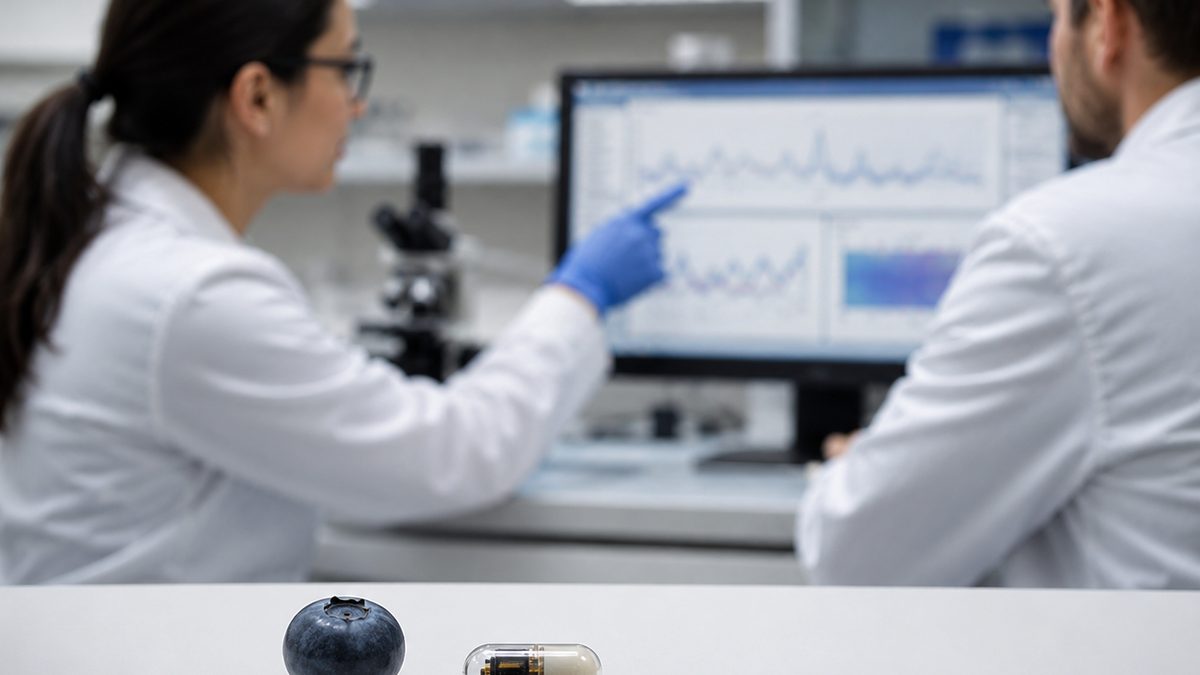
A tiny ingestible sensor developed for body-temperature monitoring could help researchers study core temperature from inside the body. Editorial illustration by TheDailyGlobe.
Key Facts
- MIT engineers developed an ingestible temperature sensor about 6 millimeters wide and 4 millimeters tall.
- The sensor is designed to send temperature updates from inside the GI tract.
- Core body temperature can differ from temperature measured at the skin or mouth.
- Possible monitoring uses include anesthesia, fever tracking, fertility tracking and extreme environments.
- The work should not be read as a consumer product announcement or medical advice.
A thermometer under the tongue or pressed against the skin can tell part of the story. It does not always tell what is happening deeper inside the body.
That gap matters in medicine, research and extreme environments, where core body temperature can be more useful than a quick surface reading. MIT engineers have developed a tiny ingestible temperature sensor, about 6 millimeters wide and 4 millimeters tall, designed to send temperature updates from inside the gastrointestinal tract.
Why Core Temperature Is Harder Than It Sounds
Body temperature sounds simple because most people have used a thermometer. But a single reading from the mouth, ear, forehead or skin may not always match what clinicians or researchers mean by core temperature. The body is not one uniform temperature at every point.
That is why a sensor inside the body could be useful. Instead of relying only on a surface reading, an ingestible device can collect temperature information from inside the GI tract while it passes through the body. The practical idea is not complicated: put the measuring tool closer to the internal environment that doctors or researchers may want to understand.
The small size is part of the point. A sensor about 6 millimeters wide and 4 millimeters tall is described in familiar terms as roughly blueberry-sized. For an ingestible device, size matters because the technology has to be small enough to move through the body while still doing useful work.
What the Sensor Could Help Monitor
The clearest use is temperature monitoring. In some medical settings, continuous or repeated temperature information can be more useful than a single check. The article guidance identifies possible uses in anesthesia, fever monitoring, fertility tracking and extreme environments.
Those examples should be treated as possible monitoring uses, not promises of routine clinical adoption. In anesthesia, body temperature can be an important vital sign. In fever monitoring, repeated updates could help show how temperature is changing over time. In fertility tracking, temperature patterns may matter for some people. In extreme environments, internal temperature can be important for understanding heat or cold stress.
The common thread is that temperature changes can carry information. The sensor does not diagnose a condition by itself in the facts provided here. It measures and sends updates. What doctors, researchers or users do with that information would depend on the setting, the evidence and future approval or use standards.
Why This Is a Consumer-Tech Story, Not Just a Lab Story
Ingestible sensors sit at the edge of medical technology and consumer technology. They are small electronics built for the body, and they raise questions that ordinary readers can understand: What can be measured? How small can the device get? Who would use it? What happens to the data? When is monitoring useful, and when is it too much?
This sensor is not something readers should treat as available for routine home use. The important point is the direction of the technology. Electronics are moving into smaller, more specialized forms, including devices meant to collect information from inside the body rather than only from a wrist, phone, patch or thermometer.
That shift could eventually change how some kinds of monitoring are done. But it also requires care. Health information is sensitive. A device that sends body-temperature data needs to be judged not only by whether it works, but by how it is used, who sees the information and whether the benefit is clear enough for the setting.
The Limits Matter
The facts available here do not establish that the sensor is ready for everyday consumer use. They also do not show that it should replace standard thermometers or current medical monitoring in routine care.
That distinction is important because medical technology can sound closer to daily use than it really is. A working device in research or development still has to clear practical questions before it becomes a regular tool. Those questions can include accuracy, reliability, safety, data handling, cost, regulatory review and whether clinicians or researchers have a clear reason to use it instead of existing methods.
The sensor also should not be treated as medical advice. People with fever, illness, fertility questions or heat exposure concerns should follow medical guidance from qualified professionals, not make decisions based on a technology report.
What to Watch Next
The next question is whether the sensor moves from a promising engineering development into broader testing and practical use. For medical settings, that would mean showing where internal temperature updates improve monitoring enough to justify using an ingestible device. For research or extreme environments, it would mean showing that the data adds value in real conditions.
The larger story is that temperature, one of the most familiar health measurements, still has room for better tools. A small ingestible sensor does not make every thermometer obsolete. It does show how engineers are trying to measure the body in places ordinary devices cannot easily reach.
Reporting note: Reporting draws on MIT research materials, medical technology reporting, background materials on temperature monitoring, and reviewed context. This article was produced with AI-assisted research and reviewed by an editor before publication.