Why the Olympic Games Cost So Much to Host
Hosting the Olympics can bring global attention and long-term projects, but construction, security, transportation and legacy costs can strain public budgets.
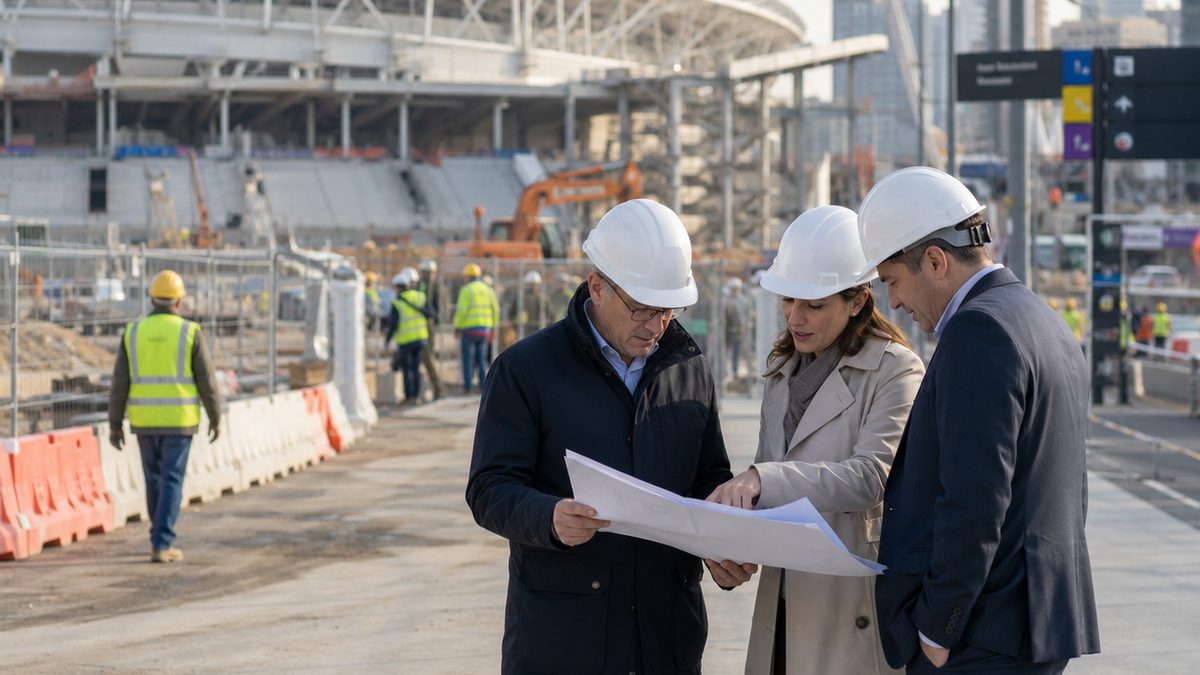
Olympic host cities often weigh global attention and infrastructure upgrades against large construction, security and transportation costs. Editorial illustration by TheDailyGlobe.
Key Facts
- Olympic hosting costs can include venue construction, security, transportation, housing, operations and long-term legacy projects.
- The International Olympic Committee and host-city reports describe legacy planning as part of the modern Olympic model.
- Government audits and host-city reports can show how public costs and project outcomes compare with earlier expectations.
- Host cities often hope the Games will bring tourism, global attention and infrastructure improvements.
- Some cities have become more cautious about bidding because costs and long-term benefits can be uncertain.
The Olympics can make a city look like the center of the world for a few weeks. Stadiums are full. Cameras show landmarks. Athletes arrive from around the globe. Local leaders talk about tourism, transportation upgrades and a legacy that will last long after the closing ceremony.
Then comes the bill. Hosting the Games is expensive because the Olympics are not just a sports event. They are a construction project, a security operation, a transportation test, a tourism campaign and a political promise all at once. That combination is why cities may compete for the Games, then later argue over whether the investment was worth it.
The Games Require More Than Stadiums
When people think of Olympic costs, they often think of stadiums and arenas. Those are a major part of the price, especially when a city needs to build or upgrade venues for sports that do not already have suitable facilities. But venues are only one part of the hosting job.
A host city also needs athlete housing, media facilities, training areas, transportation plans, security systems, technology operations, volunteer coordination and temporary event infrastructure. Some of that spending is tied directly to the Games. Some is connected to broader city projects that officials want to complete before the world arrives.
That is where the cost can grow. A new arena is one line item. Road work, rail connections, airport upgrades, public-space improvements and temporary security measures can make the Olympics a much larger public project than a normal sports championship.
Security and Transportation Add Pressure
Olympic security is not optional. The Games bring athletes, officials, tourists, media organizations and heads of state into a concentrated period of global attention. That requires planning across local, regional and national agencies, along with private contractors and venue operators.
Security costs can be hard for the public to judge because much of the work is not visible in the way a stadium is visible. Fencing, screening, policing, emergency planning, cybersecurity, traffic control and crowd management may not become part of the postcard image, but they are part of making the event function.
Transportation can be just as important. Olympic visitors need to move between airports, hotels, venues, fan zones and city centers. Residents still need to get to work. If transit systems are already strained, the Games can force cities to accelerate projects or add temporary service. Those investments may help later, but they also add cost and deadlines.
Why Cities Still Want the Olympics
Cities do not pursue the Olympics only because they like sports. They often hope the Games will bring worldwide attention, tourism, private investment and a deadline for projects that might otherwise take years longer. A successful Olympics can become part of a city's identity.
The International Olympic Committee and official legacy reports emphasize the idea that the Games should leave something behind. That can include transportation improvements, new housing, renovated public spaces, sports facilities or international visibility that host leaders believe will help the city long after the athletes leave.
That promise is easier to make before the Games than to measure afterward. Some projects may prove useful. Others may be too expensive, too specialized or too disconnected from everyday public needs. The value of hosting depends not only on the event itself, but on whether the spending fits what the city needed anyway.
The Legacy Question Is the Hard Part
The word legacy does a lot of work in Olympic planning. It can describe real public benefits, such as better transit or reused housing. It can also become a way to justify spending that might not hold up once the event is over.
The hardest question is what happens to Olympic facilities after the cameras leave. A venue that is full during the Games can become a burden if the city cannot find regular use for it. A transportation project may be worthwhile if residents use it for decades. A temporary structure may make sense if it avoids building something the city does not need.
That is why government audits and host-city reports matter. They can show whether projects stayed near budget, whether public money was used as promised and whether long-term benefits matched earlier claims. They also help separate the excitement of hosting from the quieter reality of maintenance, debt and public priorities.
Why Some Cities Became More Cautious
The Olympics remain one of the most watched sporting events in the world, but not every city wants the risk. Some potential hosts have become more cautious because the public may question whether billions in spending should go toward venues and event operations instead of housing, transit, schools, public safety or other local needs.
That does not mean hosting is always a bad investment. It means the case has to be specific. A city with existing venues, strong transit, realistic budgets and a clear plan for post-Games use may face a different calculation than a city that has to build much of the event from scratch.
For readers, the most useful test is simple: what is being built, who is paying, what will remain afterward and who will use it when the Olympics are gone? The Games last weeks. The costs, benefits and tradeoffs can last much longer.
Reporting note: Reporting draws on International Olympic Committee materials, official Olympic legacy reports, government audit materials, host-city reports, and reviewed background materials. This article was produced with AI-assisted research and reviewed by an editor before publication.