Why NFL Teams Carry Three Quarterbacks Even Though Only One Plays
The quarterback may be the most visible position in football, but NFL teams spend months preparing for what happens if the starter cannot finish a game or a season.
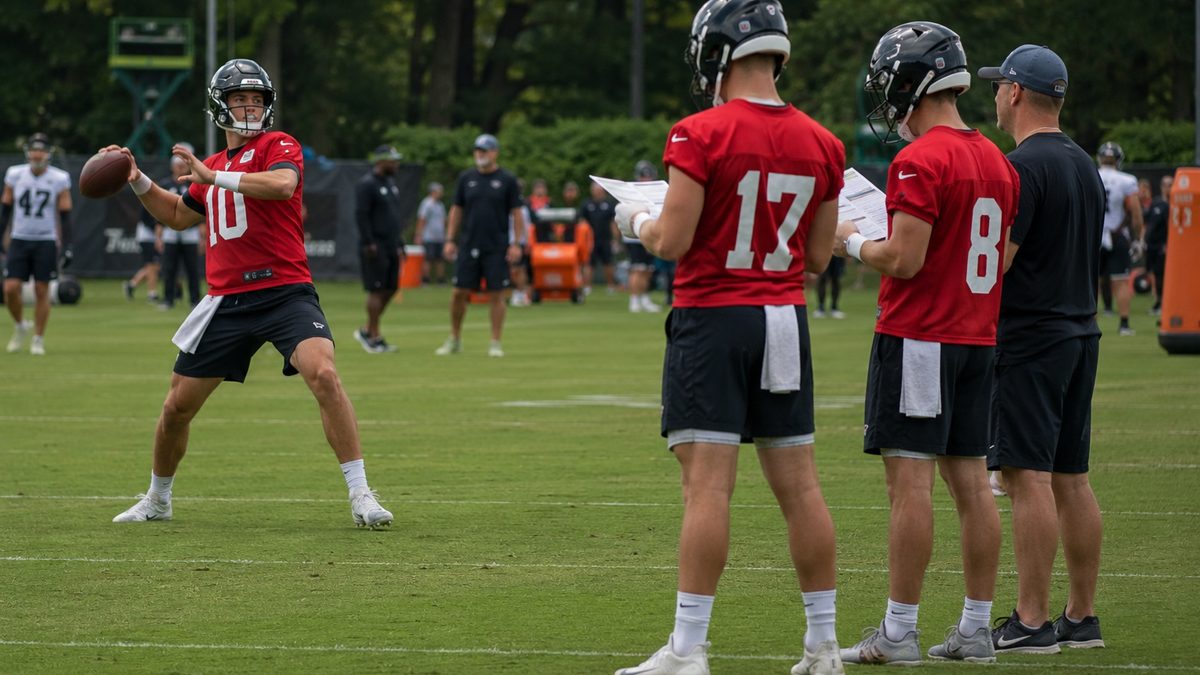
NFL teams devote significant time and resources to developing multiple quarterbacks throughout a season. Editorial illustration by TheDailyGlobe.
Key Facts
- Most NFL teams carry multiple quarterbacks on their active roster during the season.
- Quarterbacks receive different practice responsibilities based on their place on the depth chart.
- Backup quarterbacks must be prepared to enter games with little warning.
- NFL rules allow teams flexibility in managing quarterback depth throughout a season.
- A single injury to a starting quarterback can significantly affect a team's competitive outlook.
Most football fans spend their attention on one quarterback. He takes the snaps, throws the passes and usually becomes the face of the franchise. But behind nearly every NFL starter is a carefully planned backup system that teams spend millions of dollars building and maintaining.
That planning exists because one injury, one hard hit or one unexpected absence can dramatically change a team's season. NFL organizations know they are rarely just one quarterback away from trouble, which is why most teams carry multiple players at the position even though only one starts.
The Starter Is Only Part of the Plan
The starting quarterback receives the majority of practice repetitions because he is expected to run the offense on game day. Coaches build weekly game plans around that player and spend countless hours preparing him for upcoming opponents.
Yet NFL teams know that football is a physical sport with a long season. Even quarterbacks, who receive special protections under league rules, miss games because of injuries. Teams cannot simply hope that their starter remains healthy from September through the playoffs.
As a result, every organization builds layers of protection behind the starter. Those layers typically include a backup quarterback and often another player who can serve as an emergency option if circumstances require it.
What Backup Quarterbacks Actually Do
To casual fans, backup quarterbacks may appear to spend Sundays holding clipboards. In reality, their job starts long before kickoff.
Throughout the week, backups participate in meetings, study film and learn the same game plan as the starter. During practices, they often run scout-team plays designed to mimic the upcoming opponent. That means a backup might spend part of the week pretending to be another team's quarterback while still preparing to execute his own offense if needed.
The challenge is unusual. A backup must stay ready to play at any moment despite receiving fewer practice repetitions than the starter. Coaches often describe the position as one of the most difficult jobs in professional sports because preparation must remain constant even when playing opportunities are limited.
Why Quarterbacks Are Different From Other Positions
Many positions rotate players throughout a game. Running backs share carries. Defensive linemen substitute regularly. Wide receivers often play in different packages.
Quarterback is different. Most teams want one player directing the offense for as many snaps as possible. That makes continuity valuable, but it also creates risk. If the starter leaves unexpectedly, the backup must immediately take control of an offense he may not have led in a live game for weeks or even months.
Because the position is so specialized, teams cannot easily replace a quarterback with someone from another position. Years of experience are usually required to understand offensive systems, protections, timing and decision-making responsibilities.
The Importance of the Emergency Quarterback
NFL roster management has evolved over time, and teams continually adjust how they handle quarterback depth. While league rules have changed over the years, the underlying principle remains the same: teams want protection against worst-case scenarios.
An emergency quarterback may rarely see the field, but the role exists because injuries can happen quickly. Coaches would rather prepare for an unlikely situation than discover they have no viable option available during a game.
History provides plenty of examples of backup quarterbacks unexpectedly becoming central figures. Some have stepped in for a few plays. Others have taken over for weeks or helped lead playoff runs after injuries to starters.
What Teams Are Really Buying
When teams pay backup quarterbacks, they are not simply paying for statistics or playing time. They are paying for insurance, preparation and stability.
A capable backup helps coaches build weekly plans with confidence. He supports the starter during film study, assists with game preparation and gives the organization a better chance to remain competitive if circumstances change.
That value can be difficult for fans to see because much of it happens behind the scenes. The investment becomes visible only when the backup is suddenly needed.
What Fans Should Watch Next Season
The next time a television broadcast introduces a team's quarterback room, it is worth paying attention to more than just the starter. The names lower on the depth chart often represent months of planning designed to protect a season from unexpected setbacks.
Only one quarterback usually starts the game. But NFL teams spend the entire year preparing for the possibility that someone else may need to finish it. That preparation explains why franchises continue investing heavily in players who may rarely take a meaningful snap until the moment they are needed most.
Reporting note: Reporting draws on NFL Operations materials, NFL rulebook provisions, Pro Football Hall of Fame historical materials, and reviewed background materials. This article was produced with AI-assisted research and reviewed by an editor before publication.