Why Good Players Still Get Cut When NFL Rosters Shrink
NFL roster cuts are not just about talent. Teams have to balance roster limits, practice squads, special teams, injuries, depth and salary-cap decisions.
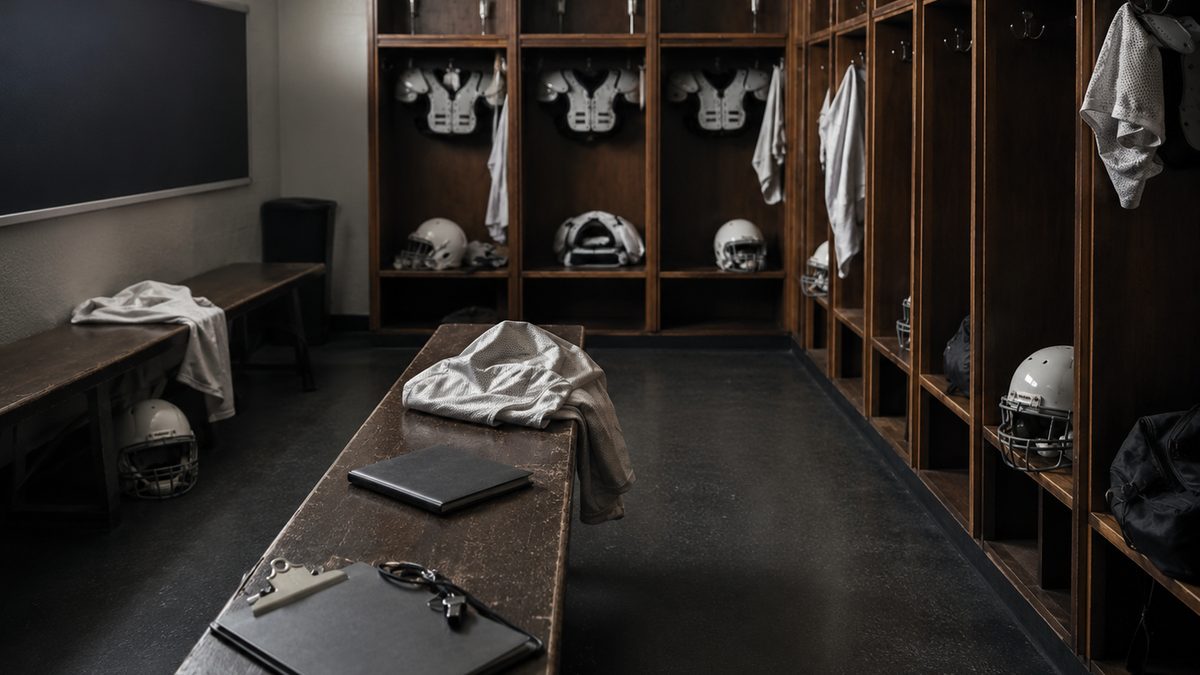
NFL roster cuts force teams to balance talent, depth, special teams needs and long-term roster planning. Editorial illustration by TheDailyGlobe.
Key Facts
- NFL teams must reduce their active roster to 53 players for the regular season.
- Practice squads give teams a way to keep additional players available after final cuts.
- Roster decisions are shaped by position depth, special teams value, injuries and salary-cap planning.
- A talented player can be released if another player fits a more urgent roster role.
- Some released players may return to the same team later or sign with another club.
Every August, NFL teams cut players who are good enough to play professional football. Some had strong preseasons. Some were popular with fans. Some filled real needs in camp. Then the roster deadline arrives, and a player who looked like he belonged is suddenly looking for another team.
That can feel harsh from the outside, but final roster cuts are not simply a ranking of the 53 best football players in camp. Teams are building a working roster for a long season. That means balancing positions, injuries, special teams, salaries, future flexibility and the chance to keep some players on the practice squad.
The 53-Man Roster Is a Puzzle
A football roster has to cover every part of the game. A team needs quarterbacks, offensive linemen, receivers, running backs, tight ends, defensive linemen, linebackers, defensive backs, specialists and enough backups to survive injuries. Keeping one extra player at one position usually means cutting someone somewhere else.
That is why a sixth wide receiver may be more vulnerable than a backup offensive lineman, even if the receiver looks more exciting in preseason. A team may need another lineman who can play multiple spots on game day. It may need an extra defensive back because that player also covers kicks. It may need a third quarterback, another pass rusher or a backup center more than it needs a player fans noticed in the fourth quarter of an exhibition game.
The roster is not built for highlight clips. It is built for Sundays, injuries, travel, substitutions and emergency plans. Coaches and front offices are asking a practical question: if something goes wrong in Week 3 or Week 12, which player helps the team survive it?
Special Teams Can Decide the Last Spots
Fans often judge roster battles by offense and defense, but the bottom of an NFL roster is heavily influenced by special teams. Kick coverage, punt coverage, return units and blocking assignments can decide whether a player gets one of the final spots.
That is especially true for backup linebackers, defensive backs, receivers, tight ends and running backs. A player who is not expected to start may still dress on game day because he can cover kicks, block on returns or handle a specific role that keeps starters off high-contact special teams snaps.
That can make roster cuts look strange. A more polished offensive player may be released while a less familiar name stays because the second player fills more jobs. In roster construction, versatility is not a buzzword. It is often the difference between making the team and becoming available to the rest of the league.
The Practice Squad Changes the Math
Practice squads are another reason final cuts can be misunderstood. When a player is released, it does not always mean a team is finished with him. Teams may hope to bring a player back on the practice squad if he clears the required process and does not sign elsewhere.
That creates a risk calculation. A team may cut a young player it likes because it believes he has a better chance to make it through to the practice squad. Another player may stay on the 53-man roster because the team believes he would be claimed or signed quickly if released.
The practice squad also gives teams a development pipeline. Young players can keep learning the system, provide depth during the season and become available if injuries pile up. For players, it can be both a disappointment and a lifeline: not the active roster, but still a path to the league.
Money and Timing Matter Too
NFL roster decisions are also shaped by the salary cap and contract structure. A team may like a veteran but decide that a younger, cheaper player gives it more flexibility. Another team may keep a veteran because his experience matters at a thin position. These decisions are not always visible in preseason games.
Injuries can shift the math quickly. A player who seemed safe can lose a spot if another position suddenly needs depth. A player who looked unlikely to make the team can stay because he is healthy, knows the system and can cover multiple roles while someone else recovers.
That is why roster cutdown day is not only about who played best in August. It is about who fits the team's full plan at that moment. The same player might be cut by one team and useful to another because schemes, depth charts and cap situations differ.
What Happens After Cuts
After final cuts, the roster is still not truly finished. Teams watch the waiver wire, consider released veterans, form practice squads and adjust for injuries. A player cut on Tuesday can be back in the building later. Another may land on a different roster because that team has a better opening.
For fans, the most useful way to read roster cuts is to look beyond one name. Which positions did the team protect? How many offensive linemen did it keep? Did special teams players survive? Which young players were exposed to the practice squad process? Which veterans were released for flexibility?
Those clues say more than a single preseason stat line. NFL teams do not cut good players because talent does not matter. They cut good players because 53 spots are not enough to keep every useful player, and a real roster has to be built for the whole season, not just the best month of training camp.
Reporting note: Reporting draws on NFL Operations materials, the official NFL rulebook, collective bargaining agreement roster rules, and reviewed background materials. This article was produced with AI-assisted research and reviewed by an editor before publication.