Why Baseball Games Finally Started Getting Shorter
MLB games became shorter after rule changes aimed at pace of play, including the pitch clock, larger bases and limits on defensive shifts.
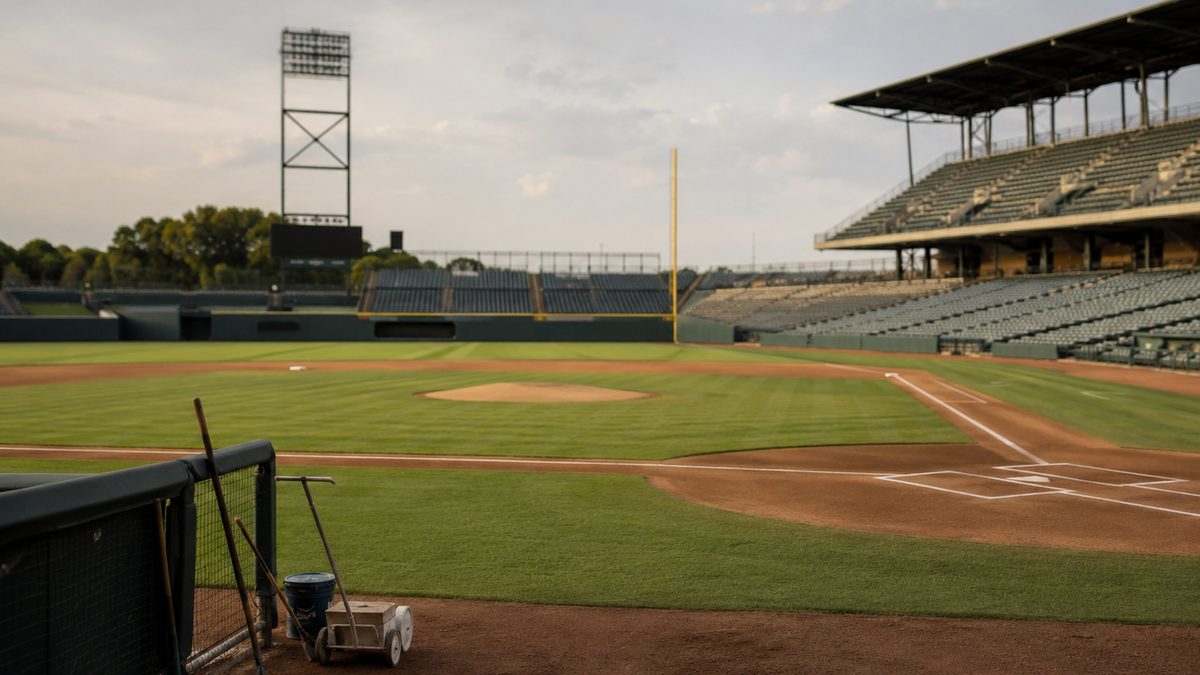
Baseball's recent rule changes were designed to speed up games while keeping the sport recognizable. Editorial illustration by TheDailyGlobe.
Key Facts
- MLB introduced rule changes aimed at improving pace of play and game action.
- The pitch clock limits how long pitchers and hitters can take between pitches.
- MLB also adopted larger bases and restrictions on defensive shifts.
- Baseball Reference game-length statistics provide historical context for changes in average game time.
- The rule changes shortened games while also changing parts of baseball strategy and rhythm.
For years, one of the easiest complaints about baseball was that games took too long. A weeknight game could stretch past three hours. Pitchers stepped off. Hitters adjusted their gloves. Fans waited through dead time that did not always feel like strategy.
Then baseball changed the clock. Major League Baseball introduced pace-of-play rules that reshaped the rhythm of the game, most notably the pitch clock. The result was visible to regular fans almost immediately: games moved faster, innings felt tighter and the long pauses that had become part of modern baseball were reduced.
The Pitch Clock Changed the Feel of the Game
The pitch clock is the biggest reason games started getting shorter. It puts a limit on the time between pitches, forcing pitchers and hitters to keep the game moving. That may sound like a small administrative change, but baseball had spent years drifting toward longer pauses between moments of action.
Before the clock, pitchers could take extra time to reset, gather signs, step off or slow down the tempo. Hitters could step out and restart their routines. Some of that was gamesmanship. Some of it was habit. Over nine innings, those seconds piled up.
The clock did not remove the duel between pitcher and hitter. It compressed the space around it. Pitchers still have to choose the pitch. Hitters still have to read the situation. Catchers still have to manage the game. But the empty time between those choices is shorter, which is why the change was so noticeable to fans.
Why Larger Bases Were Part of the Package
The pitch clock got the most attention, but it was not the only major rule change. MLB also adopted larger bases. That change was tied to player safety and game action, including the running game.
Larger bases slightly reduce the distance between bases and give fielders and runners more room around the bag. In practical terms, that can make stolen-base attempts and close plays a little different than they were under the old setup. It also fits the broader goal of making the sport feel more active.
Baseball's pace problem was never only about total game time. It was also about how much of a game felt alive. A shorter game with more balls in play, more running and fewer long delays is easier for many fans to follow than a long game broken up by repeated pauses.
The Shift Rules Changed Where Fielders Can Stand
MLB also limited defensive shifts, another change designed to affect the look and action of the game. For years, teams used data to position fielders in ways that took away hits from certain batters. That strategy was smart, but it also contributed to a version of baseball where some hard-hit balls became routine outs because defenses were stacked in the expected direction.
Shift limits do not eliminate defensive strategy. Teams still position players based on scouting, tendencies and game situations. But the rules place boundaries on how far defenses can go in rearranging the infield.
That matters because MLB's rule package was not only about making games shorter. It was also about changing the style of play. A faster pace, more traditional defensive alignment and larger bases all point toward a game with fewer delays and more visible action.
Did the Changes Work?
By the simplest measure, the pitch clock worked: games became shorter. Baseball Reference game-length statistics provide historical context for how average game times changed, and the post-rule-change period showed that MLB could reduce the length of games without turning baseball into a different sport.
That does not mean every fan likes every change. Some people miss the slower rhythm. Some pitchers and hitters had to adjust routines built over years. Strategy also changed, because managers, catchers, pitchers, baserunners and defenders had to account for the new timing and positioning rules.
But the central complaint was clear, and MLB acted directly on it. The league did not shorten games by cutting innings or changing the basic goal of baseball. It shortened games by reducing delay between pitches and nudging the sport toward more action inside the same nine-inning frame.
What Fans Should Watch Next
The next question is how the sport keeps adjusting. Pitchers and hitters have already adapted to the clock, and teams will continue looking for small edges within the rules. Managers will keep weighing baserunning, defensive positioning and bullpen decisions in a game that moves faster than it used to.
The larger lesson is that baseball's length problem was not inevitable. The game had become slower over time, and rule changes showed that pace could be changed. The sport still has its pauses, rituals and tension. It just has less waiting around between them.
Reporting note: Reporting draws on MLB rule-change materials, MLB Operations information, Baseball Reference game-length statistics, and reviewed background materials. This article was produced with AI-assisted research and reviewed by an editor before publication.