Philadelphia’s July 4 World Cup Match Turns Sports Into a National Civic Event
Philadelphia’s July 4 World Cup knockout match will put global soccer, city planning, tourism, transit, and America’s 250th anniversary into the same public test.
Save Article
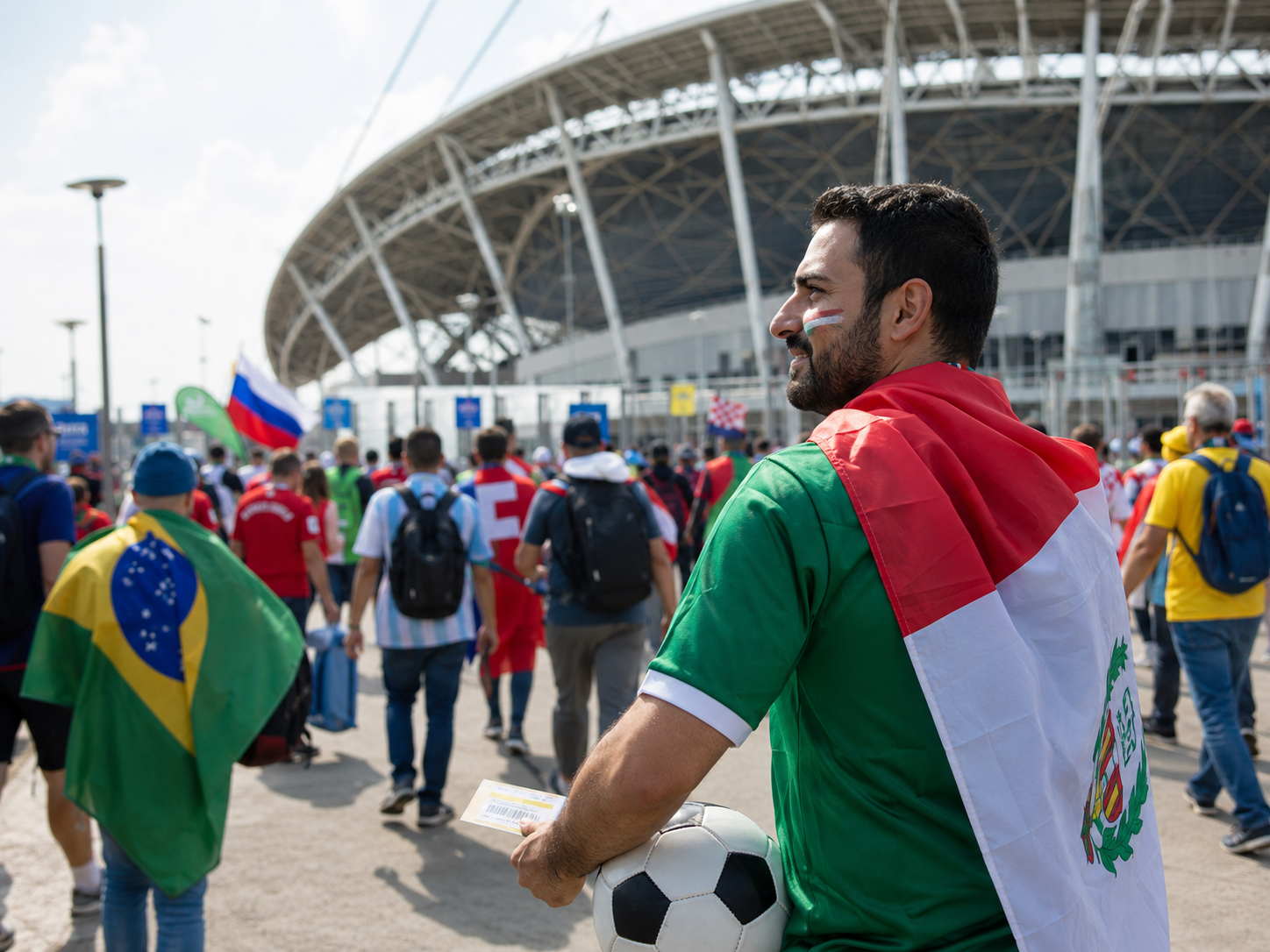
Philadelphia’s July 4 World Cup knockout match will put global soccer, city planning, tourism, transit, and America’s 250th anniversary into the same public test. Editorial illustration by TheDailyGlobe.
Key Facts
- Philadelphia will host six FIFA World Cup 2026 matches.
- FIFA’s official schedule lists a Round of 16 match at Philadelphia Stadium on July 4, 2026.
- AP reported on Philadelphia’s preparations for the July 4 World Cup knockout match.
- Philadelphia’s fan festival planning includes programming around the tournament period.
- It remains unclear which teams will play in the July 4 match and how well transportation and access plans will work under tournament conditions.
Philadelphia’s July 4 World Cup match will be more than a soccer game. It will put a global knockout match, America’s 250th anniversary, city transportation planning, tourism pressure, and public access into the same summer evening.
FIFA’s official schedule lists a Round of 16 match at Philadelphia Stadium on July 4, 2026. Philadelphia is scheduled to host six FIFA World Cup 2026 matches, according to Philadelphia Soccer 2026 host materials.
For people who do not follow soccer closely, that is why the event matters. A World Cup knockout match on Independence Day in Philadelphia is not just another date on the sports calendar. It is a civic stress test for how a major American city handles visitors, residents, transit, public space, security, and symbolism at the same time.
Why This Match Is Different
World Cup matches always bring attention, but this one carries a different kind of weight because of the date and the city. July 4, 2026, falls during America’s 250th anniversary year, and Philadelphia is already one of the country’s central places for Revolutionary-era history.
That gives the match a public meaning beyond the teams that eventually qualify for it. The game will be played in a city tied to the country’s founding story while the world’s most watched soccer tournament is taking place across the United States, Mexico, and Canada.
The teams are still unknown. That matters because the fan mix, travel demand, and international attention could look very different depending on who reaches the Round of 16. A match involving a global soccer power would bring one kind of crowd. A surprise matchup could bring another. The schedule is confirmed; the matchup is not.
The Sports-Business Side
A World Cup match brings more than fans in seats. It can affect hotel demand, restaurants, transit systems, local businesses, city staffing, public safety planning, and media attention. Philadelphia’s six-match schedule gives the city multiple chances to benefit from the tournament, but it also gives officials multiple days to manage crowds and logistics.
The July 4 match stands out because visitors may already be in the city for anniversary events, holiday travel, and fan festival programming. That overlap could make the day feel like a national celebration, a global sporting event, and a city operations challenge all at once.
That does not mean the event will automatically succeed or fail. The economic benefit of major sporting events often depends on how many visitors come from outside the region, how long they stay, how local businesses are included, and how much public money is needed to support the event.
The stronger point is narrower and easier to support: Philadelphia is preparing for a World Cup schedule that will bring major attention, and the July 4 knockout match gives the city one of the most symbolically loaded dates of the tournament.
Transportation and Access Are the Practical Test
The City of Philadelphia has announced transportation and access planning for the FIFA Fan Festival Philadelphia. Those plans matter because major events are judged not only inside the stadium but across the full route people take to get there, watch elsewhere, and get home.
For residents, access is often the real issue. A major international event can bring excitement, but it can also bring street closures, crowding, transit delays, security zones, and higher prices near event areas. Visitors may experience the event as a celebration. Residents may experience it as a disruption unless planning is clear and practical.
That is why the access question should not be treated as a side detail. If public transportation, pedestrian routes, fan festival access, emergency planning, and communication work well, the city can show that a mega-event can be shared by residents and visitors. If those systems struggle, the event can quickly become frustrating even for people who support the tournament.
The available source material confirms planning. It does not yet show how the plan will perform under tournament conditions. That will only be clear once real crowds arrive.
A Fan Festival, Not Just a Stadium Crowd
Philadelphia’s fan festival planning means the tournament will not be contained to the stadium. Public viewing, city programming, and gathering spaces can bring the event to people who do not have tickets or who simply want to be part of the atmosphere.
That can make the World Cup feel more civic than exclusive. It gives families, casual fans, tourists, and residents a way into the event without making the stadium the only point of access.
But public programming also raises practical questions. Who can get there easily? How will the city manage crowds in heat, rain, or heavy transit demand? Will residents feel invited, or will the event feel mostly built for visitors and sponsors? Those are not reasons to dismiss the fan festival. They are the questions that determine whether it feels like a public event or a fenced-off spectacle.
The Civic Symbolism Cuts Both Ways
Philadelphia’s history gives the match a powerful setting. The city’s connection to American independence will make July 4 feel different from a standard international sporting date.
That symbolism can work in the city’s favor. It can give visitors a clear story: global soccer meeting American history during a major anniversary year. It can also give the World Cup a stronger public identity in the United States, where soccer still shares attention with many other sports.
But symbolism can also raise expectations. A city cannot rely on history alone. The day will still depend on everyday systems: trains, buses, sidewalks, police, medical support, sanitation, signage, volunteers, hospitality workers, and clear public information.
That is the useful way to understand the July 4 match. The history gives it meaning. The planning will determine whether the day works.
What Remains Unknown Before Matchday
The biggest unknown is the matchup. Until the tournament field and knockout bracket are set, no one knows which national teams will play in Philadelphia on July 4. That uncertainty affects travel, crowd expectations, media interest, and security planning.
It is also unclear how well transportation and crowd management will hold up during tournament conditions. Plans can look strong before an event and still face problems once people arrive from different countries, use different languages, move at different times, and mix with local holiday crowds.
Another open question is whether access plans will work equally well for residents and visitors. Major events can bring money and attention, but they can also make a city feel temporarily less usable for the people who live there. Philadelphia’s challenge will be to make the World Cup feel like something the city hosts, not something imposed on the city.
Why Non-Soccer Fans Should Still Care
The July 4 match matters even for readers who are not soccer diehards because it shows what modern sports events have become. They are games, but they are also citywide operations, tourism engines, security plans, public transportation tests, and civic branding moments.
Philadelphia’s World Cup role will be watched partly for the soccer and partly for the city’s ability to manage a complex public event during a nationally symbolic year. If the day works well, it could show how international sports can fit into a broader civic celebration. If it struggles, the problems will likely show up in access, crowd flow, communication, and the everyday experience of residents and visitors.
For now, the confirmed facts are enough to make the story bigger than a preview. Philadelphia has six World Cup matches. One is a July 4 Round of 16 game. The city is planning fan festival access and transportation. The teams are unknown. The test is coming.
Reporting note: Reporting draws on Associated Press reporting, FIFA schedule materials, Philadelphia Soccer 2026 host materials, City of Philadelphia transportation and fan festival planning, and reviewed background materials. This article was produced with AI-assisted research and reviewed by an editor before publication.