NFL OTAs Move Teams From Roster Building to Roster Testing
NFL teams are entering the voluntary offseason evaluation period, when new rosters begin moving from paper transactions to on-field work.
Save Article
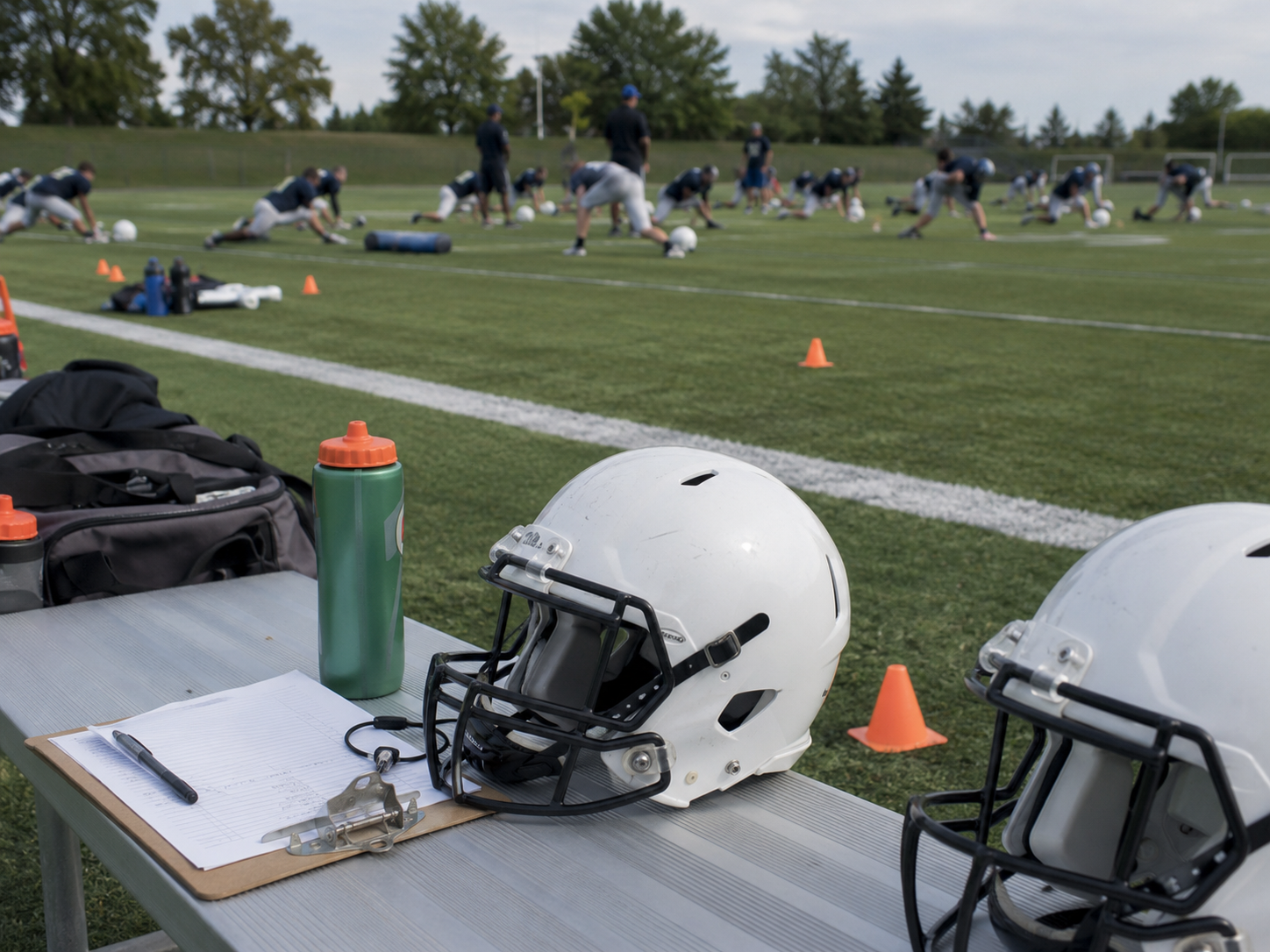
NFL teams are entering the offseason evaluation phase before training camp. Editorial illustration by TheDailyGlobe.
NFL teams are moving from roster building to roster testing as offseason workout programs and voluntary organized team activities give coaches their first real look at how new pieces fit together before training camp.
The league’s offseason calendar includes rookie football development programs that may begin May 11 in 2026, while NFL.com’s roster tracker, updated May 22, continues to show team-by-team additions and departures from free agency, trades, and other offseason moves.
What OTAs Actually Show
OTAs are useful because they move teams out of the transaction phase. A player who looked like a clean fit on a depth chart now has to learn terminology, work with coaches, build timing with teammates, and show how quickly he can handle an NFL practice setting.
For coaches, this part of the calendar can help identify early comfort levels, conditioning, communication, and how rookies or new veterans are absorbing the playbook. For fans, it offers the first real signs of how a rebuilt position group may begin to take shape.
Why Fans Should Be Careful
The caution is just as important. OTAs and offseason programs are voluntary evaluation periods before training camp. They are not final depth charts, and they are not full proof that a player has won or lost a role.
Participation details, early practice reports, and offseason snapshots can be interesting, but they should not be treated as settled roster decisions unless teams officially say so. Injuries, contract situations, conditioning, scheme changes, and training camp performance can all change the picture before Week 1.
The Better Way to Read Offseason Headlines
The most useful way to follow OTAs is to treat them as the start of a longer evaluation. They can show which questions a team is trying to answer, which young players are getting early work, and where new signings may fit.
They cannot reliably tell fans who will start, who will break out, or which offseason move will work. Those answers usually come later, when training camp adds contact, competition, preseason games, and tougher roster decisions.
For now, the confirmed shift is simple: teams have built much of their offseason rosters, and the league calendar is giving them the first chance to test those plans on the field.
Reporting note: Reporting draws on NFL offseason workout calendar materials, NFL.com roster update tracking, and reviewed football offseason context. This article was produced with AI-assisted research and reviewed by an editor before publication.