NBA Bans Fans After Finals Court Incident, Putting Player Safety Back in View
The NBA reportedly issued lifetime bans after a Game 1 court incident, keeping the focus on player safety and fan boundaries during the Finals.
Save Article
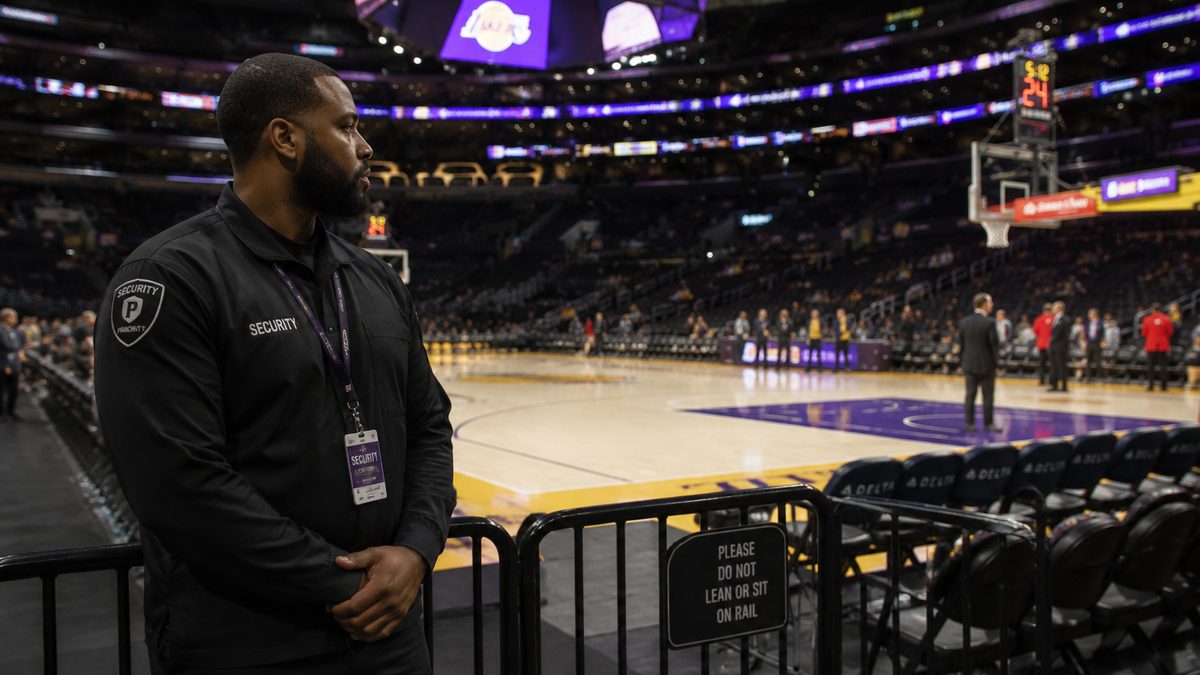
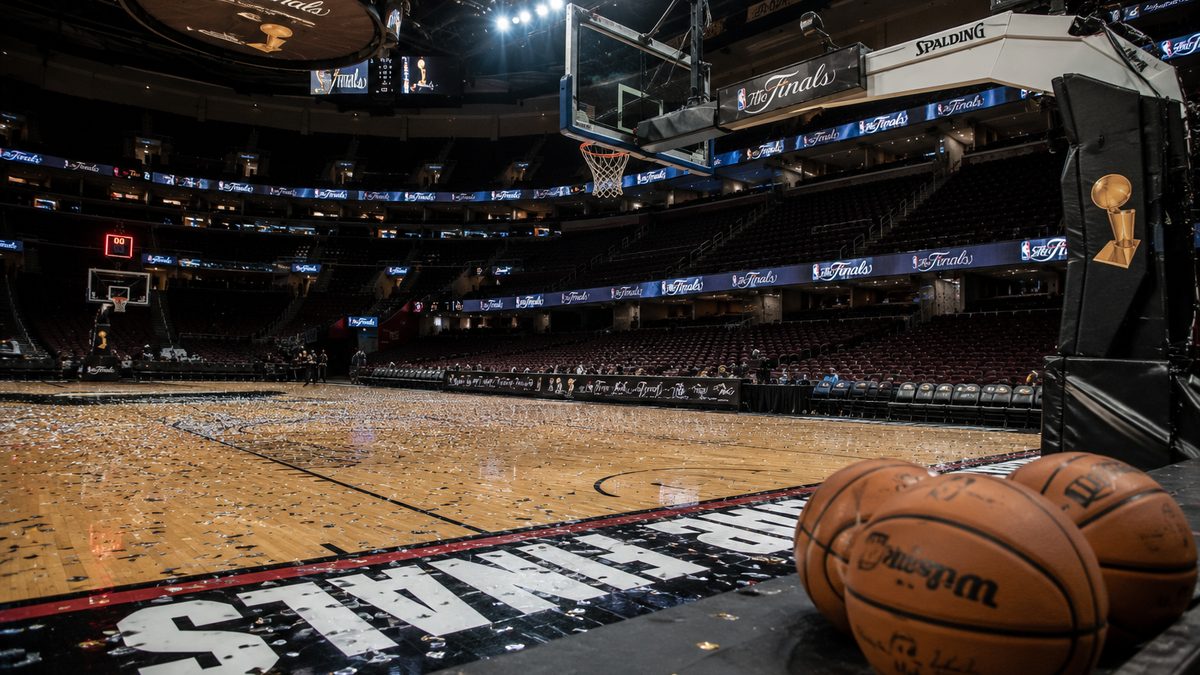
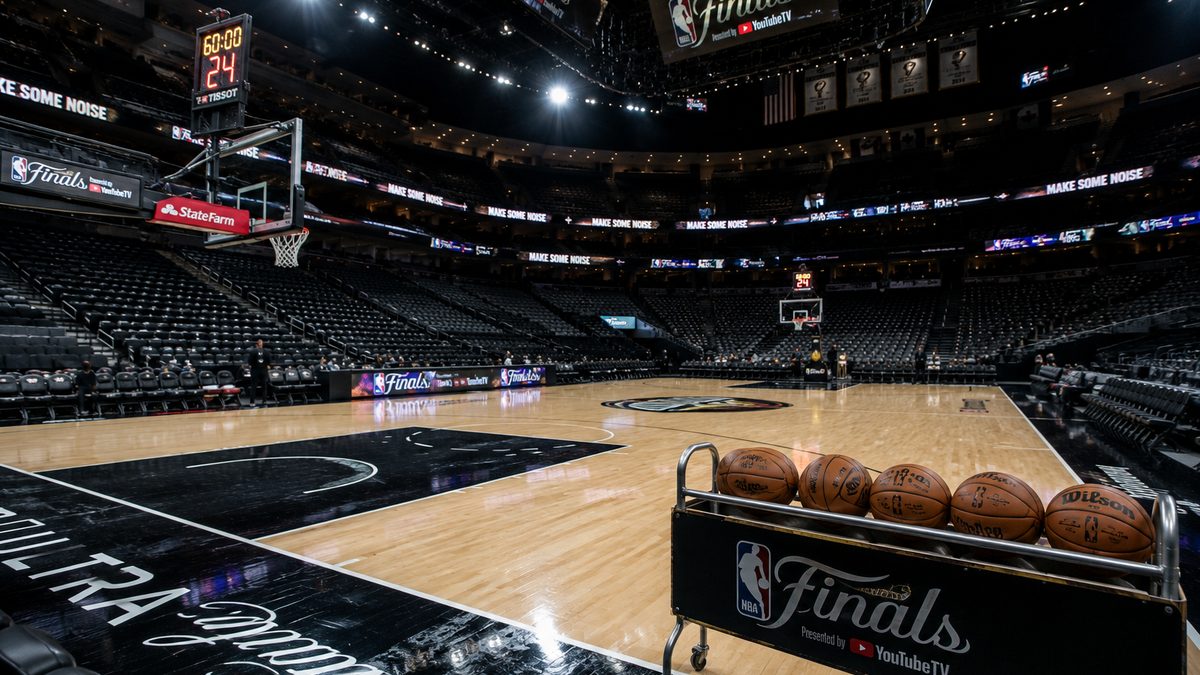
Major games depend on the space between fans, players, and the court staying secure. Editorial illustration by TheDailyGlobe.
A Finals game can be loud, emotional and close enough for courtside fans to feel part of the action. The boundary still matters.
The Associated Press reported that the NBA banned two fans for life after a Game 1 court incident during the Knicks-Spurs Finals opener. AP reported that one person ran onto the court and attempted to take a selfie with Victor Wembanyama, temporarily pausing play.
The league response turns a brief interruption into a larger reminder: major games depend on players, officials, arena staff and fans all understanding where the court begins and where spectators stop.
Why the Boundary Matters
Fan interruptions are often treated online as odd moments or viral clips. In a live game, they are safety problems. Players are focused on the floor, not on whether someone from the stands is moving toward them.
That is especially true during the Finals, when attention is higher, security pressure is greater and every pause in play draws national notice. A court intrusion can put players, staff and the person entering the court at risk.
What Remains Unclear
Some details still need careful handling. The full role of the second banned fan was not clear from the basic public reporting. Because one person was described as a juvenile, unnecessary identifying details should be avoided.
It is also unclear whether the league or arenas will make visible security changes for later Finals games. The reported lifetime bans show the NBA treated the incident seriously, but they do not by themselves show whether procedures will change.
What to Watch During the Series
The next thing to watch is whether security enforcement becomes more visible as the series continues in New York and San Antonio. That could mean tighter courtside monitoring, quicker intervention or clearer reminders for fans near the floor.
The useful takeaway is simple: the Finals are entertainment, but the court is still a workplace. Keeping that line clear protects the game, the players and the fans who came to watch it.
Reporting note: Reporting draws on Associated Press reporting, established Finals coverage, league-conduct context, and reviewed sports background materials. This article was produced with AI-assisted research and reviewed by an editor before publication.