How College Athletes Went From Unpaid to Earning Millions
College athletes can now earn money from their name, image and likeness, changing how schools, athletes, collectives and fans understand the business of college sports.
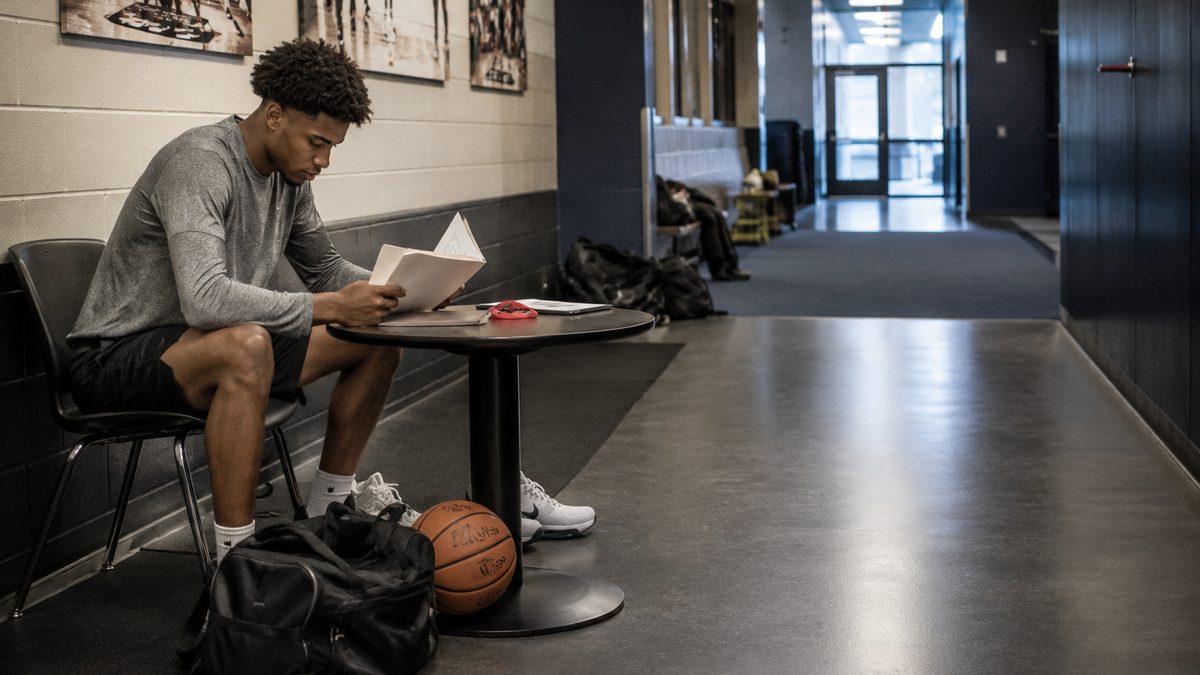
Name, image and likeness rules changed how college athletes can earn money while still competing for their schools. Editorial illustration by TheDailyGlobe.
Key Facts
- NIL allows college athletes to earn money from use of their name, image and likeness.
- NCAA NIL guidance and policy documents help define how athletes, schools and outside parties operate under the current system.
- The U.S. Supreme Court decision in NCAA v. Alston increased pressure on the NCAA's limits on athlete benefits.
- NIL deals may involve endorsements, appearances, social media promotion, camps or other athlete-related opportunities.
- Questions remain around collectives, recruiting, transfers, school oversight and competitive balance.
For decades, college sports operated on a familiar bargain: athletes could receive scholarships and compete for their schools, but direct earning power was heavily restricted. Fans watched packed stadiums, television deals and merchandise sales grow around players who often could not profit from their own names.
That world has changed. College athletes can now make money from their name, image and likeness, commonly called NIL. The shift did not make every athlete rich, and it did not make college sports simple. But it changed one of the central assumptions of the system: athletes are no longer automatically barred from earning outside money tied to their personal value.
What NIL Actually Means
Name, image and likeness is a plain idea wrapped in legal and college-sports language. It means an athlete can be paid for commercial uses of who they are. That might include promoting a local business, signing autographs, appearing at an event, running a camp, posting sponsored content or making another kind of endorsement deal.
NIL is not the same thing as a salary from the school. It is also not the same thing as a scholarship. A scholarship can cover education-related costs under the rules that apply to that athlete and school. NIL money comes from deals tied to the athlete's personal brand or market value.
That distinction matters because it explains why NIL looks different from athlete to athlete. A star quarterback at a major program may have a very different market than a volleyball player, a gymnast, a wrestler or a backup guard. Some athletes may earn large sums. Others may make modest money from local appearances or small sponsorships. Many may earn little or nothing from NIL.
Why the System Changed
The old model had been under pressure for years. College sports became a major commercial industry while athletes remained limited in how they could benefit from their own visibility. The U.S. Supreme Court's decision in NCAA v. Alston did not create NIL by itself, but it was part of the legal and public pressure on the NCAA's rules around athlete benefits.
NCAA policy documents and NIL guidance now help shape how schools and athletes navigate the system. The rules are still complicated because college athletics sits between education, entertainment, labor, sponsorship and state-by-state legal differences.
For athletes, the core change is practical. A player who builds an audience, becomes recognizable in a community or creates value for a business may have a path to earn from that value. That is a major shift from the older system, where even small commercial opportunities could threaten eligibility.
The Role of Collectives
One of the biggest changes in the NIL era is the rise of collectives. These are outside groups connected in practice to fan bases, donors or supporters, though they are not simply the same as the school itself. Collectives can help arrange or fund NIL opportunities for athletes.
For fans, collectives can be confusing because they blur the old picture of college sports. The school still fields the team. The athlete still plays for the school. But outside money can now shape the environment around the roster in ways that did not exist before.
That is one reason NIL remains controversial. Supporters argue athletes should be able to benefit from their own market value. Critics worry about uneven resources, recruiting influence and whether payments tied to NIL are sometimes functioning more like roster payments than traditional endorsements.
Transfers Made the Change Feel Bigger
NIL did not arrive in a vacuum. It came during a broader period of change in college athletics, including more player movement through the transfer system. When athletes can move more freely and also consider NIL opportunities, roster building becomes much more fluid than it was in earlier eras.
That has changed how fans experience college sports. A breakout player may become a transfer target. A team can look very different from one season to the next. Coaches are not only recruiting high school players; they are managing current players, transfers, NIL expectations and roster depth at the same time.
The result is a college sports landscape that feels closer to a year-round market. That can create opportunity for athletes, but it can also make the system harder for fans to follow and harder for schools to manage consistently.
What Remains Controversial
The biggest unresolved issue is not whether athletes can earn money. That part of the system has changed. The harder question is how to draw lines around NIL, school involvement, collectives, recruiting and competitive balance.
Some schools and fan bases have more money around them than others. Some athletes have more visibility than others. Some sports draw more attention than others. That means NIL can expand opportunity while also widening gaps between programs and players.
There are also questions about transparency. Fans may hear that a player has an NIL deal without knowing what the athlete is being paid to do, who is funding it or how it fits within school and NCAA rules. The public should be careful with rumors, because not every reported number is verified and not every deal works the same way.
What Fans Should Understand Now
The NIL era did not make college athletes employees in the simple sense, and it did not erase scholarships, school rules or NCAA oversight. It did create a new system where athletes can earn money from their personal value while still competing in college sports.
For fans, the next things to watch are NCAA policy updates, school guidance, collective activity, transfer movement and how programs explain their rules to athletes and supporters. College sports changed quickly because the old model could not hold the same way forever. The new model is still being built in public, one deal, one transfer and one season at a time.
Reporting note: Reporting draws on NCAA NIL guidance, NCAA policy materials, the U.S. Supreme Court decision in NCAA v. Alston, and reviewed background materials. This article was produced with AI-assisted research and reviewed by an editor before publication.