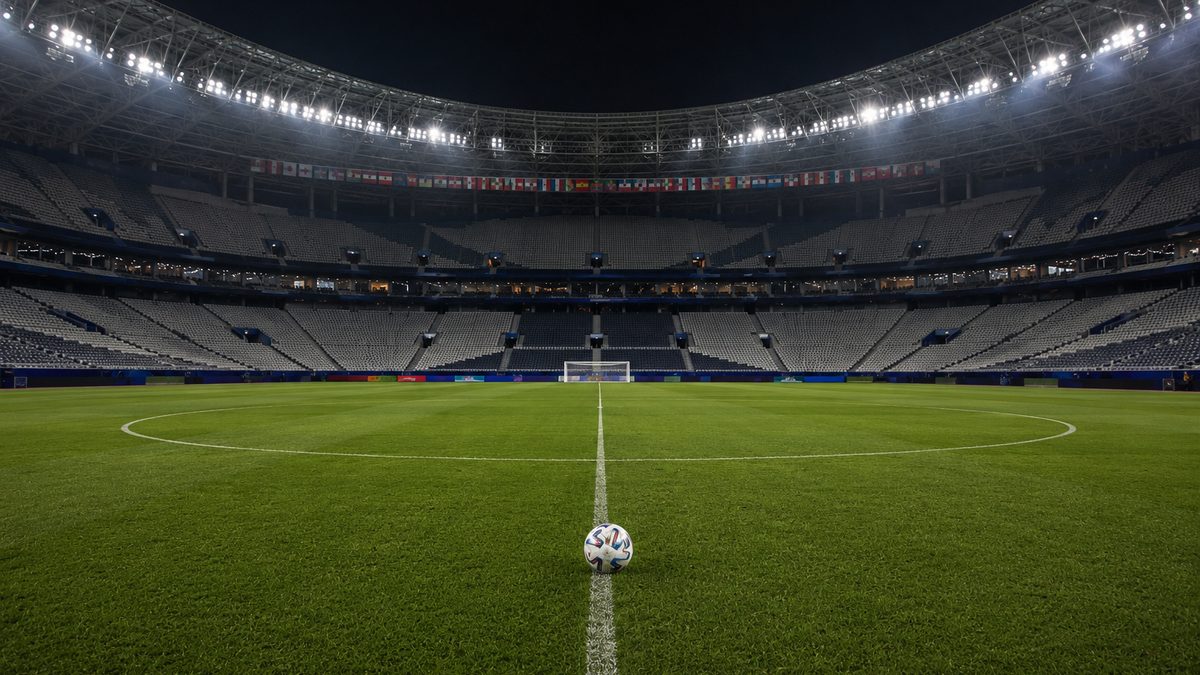
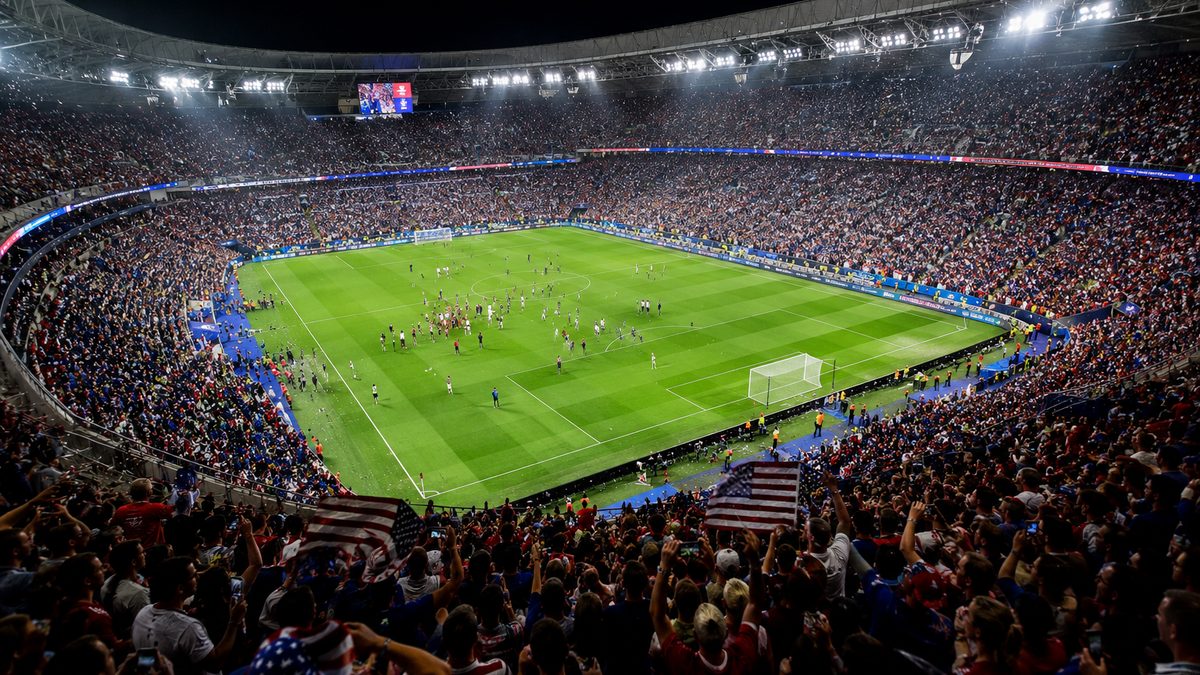
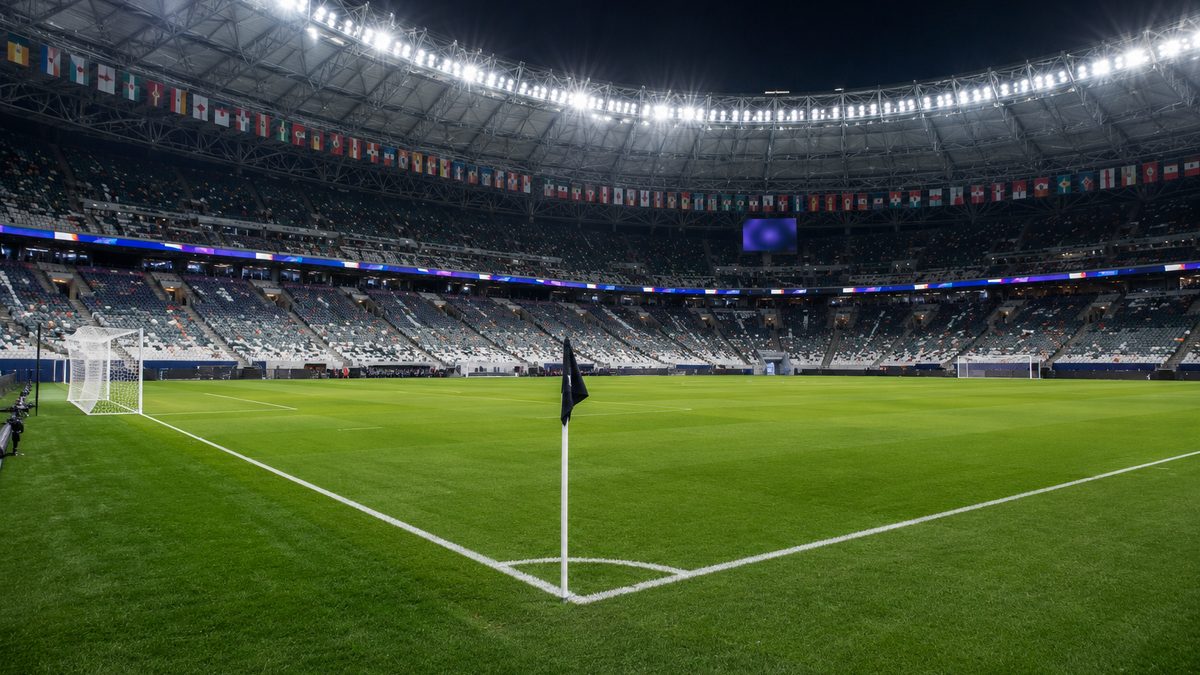
FIFA’s China Broadcast Deal Shows the Global Business Pressure Around the 2026 World Cup
FIFA’s China broadcast deal shows why the 2026 World Cup is not only a stadium and host-city event, but a global media-rights business test.
Save Article
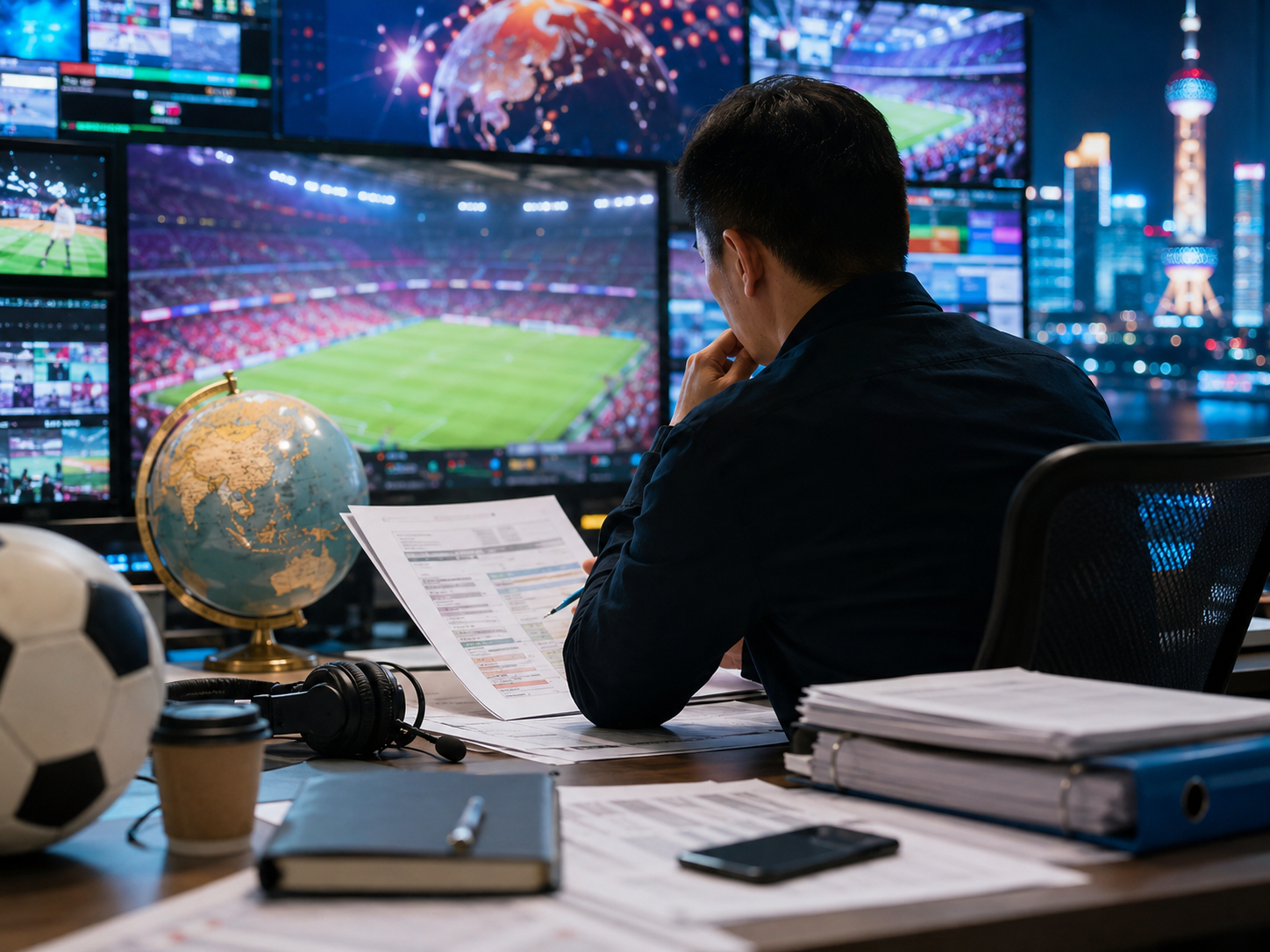
FIFA’s China broadcast deal shows why the 2026 World Cup is not only a stadium and host-city event, but a global media-rights business test. Editorial illustration by TheDailyGlobe.
Key Facts
- AP reported that FIFA finalized a World Cup broadcast rights agreement in China.
- AP reported that the agreement covers multiple upcoming World Cups.
- FIFA’s official schedule confirms the 2026 tournament will be played across Canada, Mexico, and the United States.
- FIFA tournament materials confirm the 2026 match schedule and knockout-stage structure.
- It remains unclear whether remaining international media deals will meet FIFA’s expectations.
FIFA’s broadcast rights deal in China is a reminder that the 2026 World Cup is not only being built in stadiums across North America. It is also being built through media deals that determine who can watch, how much money flows into the tournament, and how far the event reaches beyond the host countries.
Associated Press reported that FIFA finalized a World Cup broadcast rights agreement in China. AP reported that the agreement covers multiple upcoming World Cups. FIFA’s official schedule confirms that the 2026 tournament will be played across Canada, Mexico, and the United States.
For readers who do not follow sports business closely, the point is simple: the World Cup makes money not just from tickets, sponsors, and host cities, but from the right to show the tournament to audiences around the world. A broadcast deal in China matters because global rights sales are part of how FIFA turns a soccer tournament into a worldwide business operation.
Why a China Deal Matters
China is a major media market, even when its national team is not part of the tournament. For FIFA, reaching that audience is part of the broader business model. The World Cup is a global event, and its value depends partly on whether people in major markets can watch it easily and legally.
The reported China deal also shows how much of the World Cup’s financial story happens away from the field. Fans see matches. Broadcasters, advertisers, sponsors, and rights sellers see inventory, audience size, time slots, and long-term contracts.
That does not mean every broadcast agreement should be treated as a win or a failure based only on one reported figure. The price of a rights deal can reflect market conditions, timing, competition among broadcasters, local demand, regulatory issues, and the commercial value of future tournaments included in the package.
The North American Tournament Adds Complications
The 2026 World Cup will be hosted across Canada, Mexico, and the United States. That gives the tournament a large stadium footprint, major commercial markets, and a North American time-zone schedule that may work well for some viewers and less well for others.
Time zones matter in sports media because a match that airs in prime time in one country may land in the morning, afternoon, or overnight somewhere else. That can affect casual viewership, advertising value, and how broadcasters promote the tournament.
The source material does not show how much time-zone differences will affect global viewership. It is better to treat that as an open business question rather than a settled problem.
Broadcast Rights Are Part of FIFA’s Reach
Media rights do more than bring in revenue. They shape how visible the World Cup is to casual fans. A tournament can be played in full stadiums and still fail to reach its full public audience if distribution is weak, fragmented, expensive, or hard to find.
That is why broadcast access matters. Fans who do not follow qualifiers or club soccer may still watch World Cup matches if the games are easy to find, promoted clearly, and carried by platforms they already use.
For FIFA, that means broadcast strategy is also audience strategy. Rights deals help decide whether the World Cup feels like a global shared event or like a premium product scattered across platforms.
What Remains Unclear
Several important questions remain unanswered. It is unclear whether remaining international media deals will meet FIFA’s expectations. It is also unclear how much China’s absence from the tournament field would affect audience size there.
Another open question is how streaming measurement changes affect comparisons between tournaments. Modern sports audiences are split across broadcast channels, apps, connected TVs, mobile devices, and streaming platforms. That makes simple comparisons to older tournaments harder.
The careful takeaway is that FIFA’s China broadcast deal is not just a contract note. It is part of the larger business machinery behind the 2026 World Cup. The matches will happen in North American stadiums, but the tournament’s commercial test will also play out on screens around the world.
Reporting note: Reporting draws on Associated Press reporting, FIFA tournament schedule materials, FIFA knockout-stage schedule materials, and reviewed sports business background. This article was produced with AI-assisted research and reviewed by an editor before publication.