Why Beaches Disappear and Reappear Without Anyone Noticing
Beaches may look permanent, but waves, storms, seasons and human work constantly move sand along the shore and sometimes bring it back.
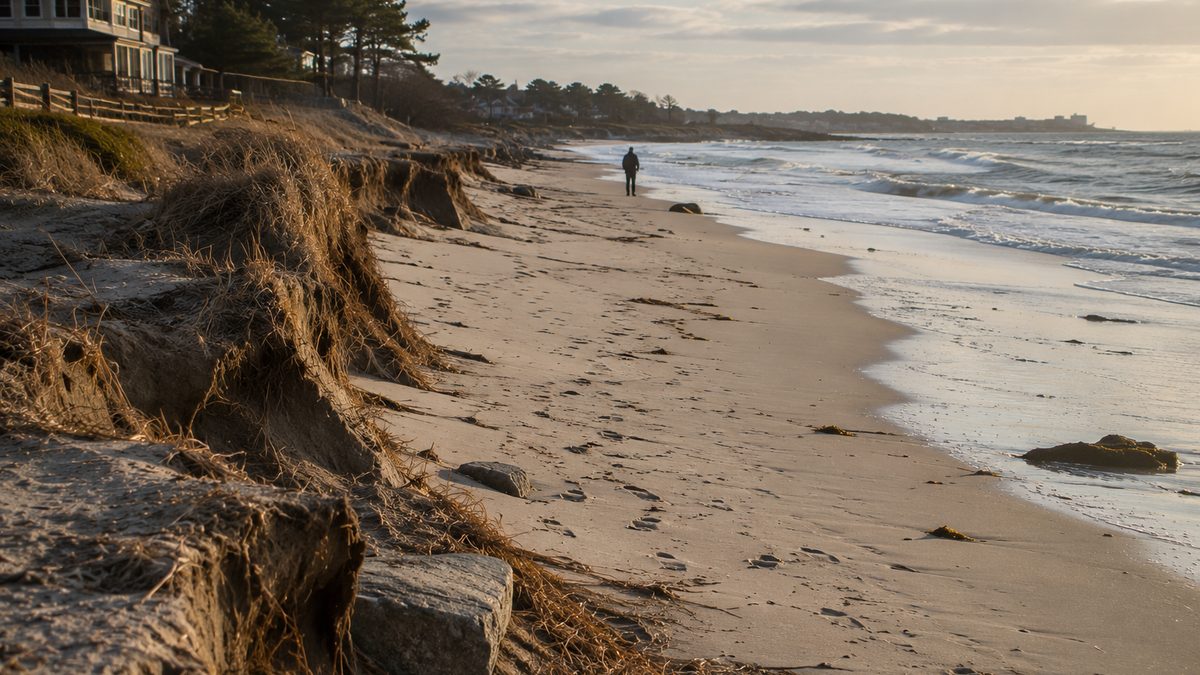
Beaches constantly change as waves, storms, seasons, and coastal work move sand along the shoreline. Editorial illustration by TheDailyGlobe.
Key Facts
- Beaches are shaped by waves, tides, currents, wind, storms and available sand.
- Sand can move offshore during rough conditions and return during calmer periods.
- Seasonal wave patterns can make beaches look wider or narrower at different times of year.
- Storms can quickly erode beaches, dunes and coastal landforms.
- Beach replenishment can add sand, but it does not stop the natural movement of shorelines.
A beach can look like one of the most permanent places in the world until it suddenly does not.
A wide stretch of sand that held umbrellas in July may look narrow after winter storms. A dune path that seemed far from the water can end up closer to the surf. A familiar shoreline may disappear for a while, then slowly look more normal again months later.
The sand did not simply vanish. Beaches are moving systems. Waves, tides, wind, storms, seasons and human work can shift sand offshore, along the coast, onto dunes or back toward the dry beach. What people think of as the beach is really a constantly changing edge between land and water.
Where the Sand Goes
When a beach looks smaller, the sand may have moved rather than disappeared completely. Waves can pull sand from the dry beach and carry it into the nearshore water, where it may form underwater sandbars.
Those bars matter because they can store sand just offshore. In rougher periods, the beach may look stripped down because more sand is sitting under the water. When calmer waves return, some of that sand can move back toward land and rebuild part of the visible beach.
Sand can also move sideways along the coast. Waves often approach the shoreline at an angle, pushing sand down the beach in a process commonly called longshore transport. That means a beach is not only losing or gaining sand from the water in front of it. It may also be trading sand with neighboring stretches of shore.
That movement is why one part of a shoreline can look wider while another looks thinner. The coast is connected. What happens up the beach can affect what shows up down the beach.
Why Storms Change Beaches So Fast
Storms are the dramatic part of beach change. Higher water, stronger waves and storm surge can reach parts of the shore that normal waves do not touch. In a short period, a storm can cut into dunes, wash sand inland, drag sand offshore or reshape the slope of the beach.
That is why a beach can look almost unfamiliar after a powerful storm. Steps may hang above the sand. Dune grass may be exposed. A broad beach may narrow. A sand cliff may appear where the beach used to slope gently.
The visible damage can make it seem as though the sand is gone for good. Sometimes part of it is lost from the local beach system. But in other cases, some sand has been moved into offshore bars or nearby areas and may return under calmer wave conditions.
The important point is timing. Storms can change a beach in hours. Recovery, when it happens, usually takes longer.
Why Beaches Look Different by Season
Many beaches have seasonal personalities. A summer beach often looks wider and flatter because calmer waves can move sand back toward shore. A winter beach may look narrower because stronger waves and storms pull sand away from the dry beach.
This pattern does not happen the same way everywhere, and local conditions matter. The shape of the coast, the direction of waves, the supply of sand, nearby inlets, seawalls, dunes and storms all influence what visitors see.
Still, the seasonal idea helps explain why people can visit the same beach in different months and think something major happened. Sometimes something did happen, such as a storm. Other times, the beach is moving through a normal cycle that local coastal scientists and managers watch over time.
When People Add Sand Back
Beach replenishment, also called beach nourishment, is one way communities try to rebuild or widen beaches. Sand is brought in from another source and placed along the shoreline to replace or supplement what erosion has removed.
That can make a beach look larger and can provide temporary protection for dunes, roads, homes, businesses and public access. It can also support tourism and recreation in places where the beach is central to the local economy.
But replenishment is not a permanent fix. The added sand is still exposed to waves, tides, currents and storms. Over time, it can move just like natural beach sand. In many places, replenishment has to be repeated if a community wants to maintain a wider beach.
That does not mean replenishment is useless. It means it is part of a management choice, not a way to freeze the shoreline in place.
Erosion Is Not Always Simple
Beach erosion can mean different things depending on the timeline. After a storm, erosion may be obvious and sudden. Over years, erosion may show up as a shoreline that gradually shifts landward. In some places, the beach may lose sand because there is not enough new sand entering the system to replace what leaves.
Human structures can also affect sand movement. Jetties, seawalls, groins, roads and buildings may change how waves and currents interact with the shore. A structure that protects one location may affect sand movement nearby.
Sea level rise adds another layer. As water levels rise, beaches may need room to move inland. Where buildings, roads or hard structures block that movement, the dry beach can become squeezed between the ocean and the built environment.
What Beachgoers Should Understand
A changing beach is not always a sign that something unusual happened. Beaches are supposed to move. The question is whether the movement fits a normal seasonal pattern, reflects storm damage, shows a longer erosion trend or results from human changes along the coast.
That is why coastal scientists study shorelines over time instead of judging them from one visit. One narrow beach after a storm does not tell the whole story. Neither does one wide beach after a calm season.
The practical takeaway is simple: beaches are not fixed strips of sand. They are living edges of the coast, constantly being shaped by water, wind, storms and human decisions. The sand may leave, return, shift sideways or be added back. What looks like a disappearing beach is often part of a much larger movement that was happening all along.
Reporting note: Reporting draws on NOAA materials, National Ocean Service coastal science guidance, USGS Coastal Change Hazards Program information, and reviewed background materials. This article was produced with AI-assisted research and reviewed by an editor before publication.