Supreme Court Upholds Birthright Citizenship
The Supreme Court kept birthright citizenship in place, rejecting a Trump executive order that sought to deny automatic citizenship to some children born in the United States.
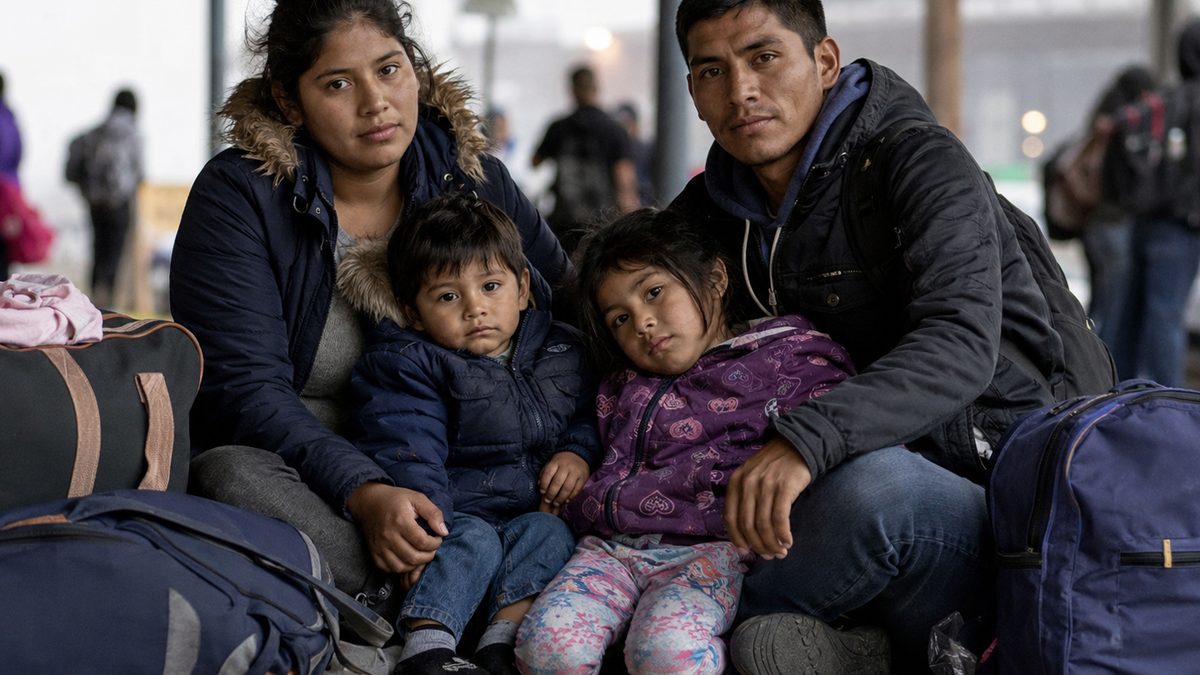
The Supreme Court rejected a presidential order aimed at limiting birthright citizenship, keeping the constitutional rule in place. Editorial illustration by TheDailyGlobe.
Key Facts
- The Supreme Court decided Trump v. Barbara on June 30, 2026, and affirmed the lower court judgment.
- Chief Justice John Roberts delivered the opinion of the Court, joined by Justices Sonia Sotomayor, Elena Kagan, Amy Coney Barrett and Ketanji Brown Jackson.
- The case involved whether Trump’s executive order complied with the Citizenship Clause and federal citizenship law.
- The ruling leaves birthright citizenship in place for children born on U.S. soil under the constitutional rule recognized by the majority.
- Justice Brett Kavanaugh concurred in the judgment and dissented in part; Justices Clarence Thomas, Samuel Alito and Neil Gorsuch dissented.
A child born in the United States remains a U.S. citizen at birth under the rule the Supreme Court left in place this week, rejecting a presidential attempt to narrow one of the country’s most important constitutional promises.
The Supreme Court decided Trump v. Barbara on June 30, 2026, affirming a lower court judgment and blocking President Donald Trump’s executive order on birthright citizenship. The order sought to deny automatic citizenship to children born in the United States to parents who were in the country without legal status or were present on temporary visas.
The ruling matters because citizenship is not just a political label. It is the legal foundation for a passport, government records, civic belonging, voting rights later in life, access to public systems and protection under the Constitution. By rejecting the order, the Court kept birthright citizenship in place and made clear that a president cannot narrow it through the executive order at issue in this case.
What the Court Rejected
The executive order at the center of the case attempted to change how the federal government treated citizenship at birth for some children born in the United States. According to the case materials and reporting cited in the handoff, the order applied to children born to parents without legal status and to parents in the country temporarily.
That raised a direct constitutional question: whether a president can use executive authority to deny birthright citizenship despite the Citizenship Clause of the 14th Amendment and federal law. The Supreme Court’s answer in this case was no.
The Court affirmed the lower court judgment. Chief Justice Roberts wrote the majority opinion, joined by Sotomayor, Kagan, Barrett and Jackson. AP reported that the Court ruled children born in the United States are citizens under the 14th Amendment and rejected Trump’s order. The Guardian reported that the majority held the order violated the 14th Amendment.
What Birthright Citizenship Means
Birthright citizenship is the rule that a person born in the United States is a citizen at birth, with narrow constitutional exceptions not at issue for most readers. The principle is tied to the 14th Amendment, adopted after the Civil War to settle a central question of citizenship and equal status under the law.
For families, the question is not abstract. Citizenship at birth determines how a child is recognized by the government from the start of life. It affects identity documents, legal status, travel, eligibility rules, future civic rights and the basic certainty of belonging to the country where the child was born.
That is why the case reached beyond immigration politics. The order would have changed the federal government’s treatment of a class of U.S.-born children. The Court’s ruling keeps the existing constitutional rule in effect rather than allowing that change by presidential order.
How the Justices Split
The decision was not unanimous, and the separate opinions show that the Court remains divided over the legal path. The docket shows Roberts delivered the opinion of the Court, with Sotomayor, Kagan, Barrett and Jackson joining. Jackson also filed a concurring opinion, joined in part by Sotomayor.
Kavanaugh filed an opinion concurring in the judgment and dissenting in part. The Guardian reported that Kavanaugh would have ruled the order violated federal law but not the Constitution. That distinction matters because a ruling based only on federal law can leave different questions open than a ruling grounded in the Constitution.
Thomas filed a dissenting opinion joined by Gorsuch. Alito and Gorsuch also filed separate dissenting opinions. The disagreement did not change the immediate result: the executive order did not survive, and birthright citizenship remains in place.
For readers, the important point is that the Court decided the case while leaving a record of competing views among the justices. The majority outcome controls the result. The separate opinions show where future legal arguments may try to go.
What Changes Now
The most immediate answer is that the executive order remains blocked. Children born in the United States remain covered by the birthright citizenship rule recognized by the Court’s majority.
The ruling also limits what a president can do alone. A president may direct agencies on many matters, but this case tested whether executive power could be used to narrow citizenship at birth. The Court rejected that move.
The ruling does not rewrite every part of immigration law. It does not decide naturalization rules, asylum policy, deportation enforcement, green-card eligibility or other areas not directly before the Court. It answers the citizenship-at-birth question raised by Trump’s order.
That distinction is important because public debate around immigration often combines many separate legal issues. This ruling is about birthright citizenship and executive authority. It should not be treated as a ruling on every immigration dispute.
Why the Fight May Move to Congress
The Guardian reported that Trump urged Congress to take up the issue after the ruling. That means the political fight may continue even though the Court decided this case.
But Congress is not a simple reset button. The ruling’s constitutional grounding matters. If birthright citizenship is protected by the 14th Amendment in the way the majority held, ordinary legislation cannot simply erase that constitutional rule. Any future congressional effort would face legal limits and almost certainly new challenges.
What remains unclear is whether Congress will attempt legislation aimed at narrowing birthright citizenship, what legal theory supporters would use, and how courts would respond to any new approach. It is also unclear how quickly federal agencies will update guidance or how lower courts will apply the ruling in related disputes.
The ruling may also become part of campaign-year messaging on immigration and presidential power. Political leaders can argue about what the law should be, but the Court has now decided what this executive order could not do.
What Readers Should Watch Next
The next phase is likely to involve three tracks: government implementation, congressional reaction and future litigation. Agencies may need to align records and guidance with the ruling. Lawmakers may debate proposals that test the edges of the decision. Lawyers may watch the separate opinions for arguments that could appear in later cases.
Readers should also watch how the ruling is described. A careful summary is that the Supreme Court upheld birthright citizenship against Trump’s executive order and left the rule in place. It did not end all immigration fights, and it did not make every future citizenship dispute disappear.
Still, this was a major constitutional ruling because the Court kept a foundational citizenship rule from being changed by executive order. For a child born in the United States, the legal status at the center of the case remains what it was: citizenship at birth.
Reporting note: Reporting draws on the Supreme Court docket and opinion record, Associated Press top-story coverage, established legal reporting, and reviewed constitutional background materials. This article was produced with AI-assisted research and reviewed by an editor before publication.