Congress Talks About Housing, but Local Rules Still Shape What Gets Built
Housing has become a major political promise, but home prices and rents are shaped by federal policy, local zoning, borrowing costs and construction limits.
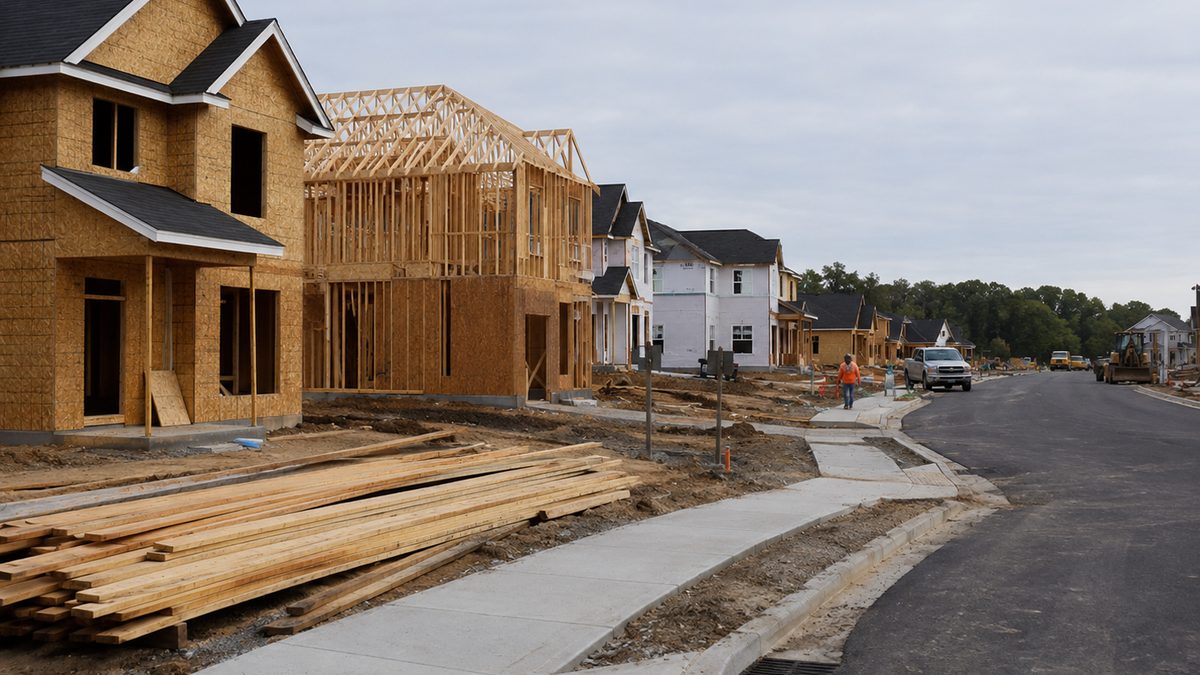
Housing affordability is shaped by federal promises, local rules, borrowing costs, and the basic shortage of homes people can afford. Editorial illustration by TheDailyGlobe.
Key Facts
- Harvard's 2026 State of the Nation's Housing report says affordability challenges and cost burdens remain severe.
- Congress can influence housing policy through taxes, subsidies, financing, federal land, manufactured housing and incentives.
- Most local zoning codes are not directly rewritten by Congress.
- Interest rates, labor shortages, material costs, permitting, zoning, land costs and local rules all affect housing affordability.
- HUD identifies manufactured housing as one part of the affordable-housing landscape.
For many families, the housing problem is not abstract. They may earn too much to qualify for help, but not enough to buy a home near work. Rent eats into savings. A down payment keeps moving out of reach. A longer commute becomes the tradeoff for a cheaper place.
That is why housing has become one of the clearest political promises in Washington. Lawmakers can talk about lowering costs, expanding supply and helping first-time buyers. But homes are still expensive because Congress controls only part of the system. The rest is shaped by mortgage rates, construction costs, labor, land, zoning, permitting and decisions made by state and local governments.
Why Washington Cannot Just Order Cheaper Homes
Congress has real power over housing. It can change tax incentives, fund housing programs, shape mortgage policy, support manufactured housing, use federal land in limited ways and create incentives for states and cities to allow more homes. Those decisions matter, especially when the country does not have enough homes that many workers and families can afford.
But Congress cannot directly rewrite most local zoning codes. It cannot by itself speed up every permit office, reduce every land cost, find every construction worker or make every neighborhood accept more housing. That gap helps explain why housing can be a popular campaign issue and still remain stubborn in real life.
Zoning rules often decide what can be built and where. Local permitting can affect how long a project takes. Land prices can make even a modest development expensive before construction begins. Those factors sit mostly outside direct federal control, even when federal lawmakers are the loudest people talking about the problem.
The Cost Problem Has More Than One Cause
Housing affordability is not driven by one switch. Mortgage rates affect what buyers can afford each month. Labor shortages can slow construction or raise costs. Materials matter. Builders point to regulatory costs as another factor, though those claims should be treated as the industry's position unless supported by official data.
Supply is a central part of the policy debate because adding homes can ease pressure over time. Federal housing proposals often focus on supply, financing, zoning incentives and construction barriers. But even when a proposal is aimed at the right bottleneck, the timing is uncertain. A bill passed in Washington does not instantly produce a new subdivision, apartment building or starter home.
That delay is one reason voters can hear years of promises and still see little relief. Housing takes time to plan, approve, finance and build. If borrowing costs remain high or local rules block new units, a federal program may help at the margins without changing what families see in listings right away.
What Congress Can Realistically Do
The strongest federal role is usually indirect. Congress can make it easier or more attractive for states, cities, builders and lenders to expand affordable options. It can support programs that lower some financing barriers. It can set priorities through HUD and other housing-related agencies. It can also encourage manufactured housing, which HUD identifies as part of the affordable-housing landscape.
Those tools are not meaningless. For a first-time buyer, a renter in a tight market or a worker trying to live near a job, even a modest shift in supply or financing can matter. But the limits are real. If a city allows very little new housing, federal incentives may not be enough. If mortgage rates remain elevated, monthly payments can stay out of reach even when home prices stop climbing as fast.
That is the accountability test for lawmakers: housing promises should match the level of government that can actually act. Congress can help. State legislatures can change some rules. Local governments can approve or block what gets built. Builders and lenders respond to costs, rates and demand. Families live with the result.
Why the Issue Feels Stuck
Housing politics is easy to simplify and hard to fix. Almost everyone says they want homes to be more affordable. Fewer communities agree on where new homes should go, how dense they should be, what kind of units should be allowed, or who should pay for roads, schools and infrastructure that growth may require.
That leaves room for every level of government to blame another. Congress can point to local zoning. Local leaders can point to federal funding or interest rates. Builders can point to regulation, labor and materials. Homeowners may worry about traffic, taxes or neighborhood change. Renters and younger buyers are often left waiting for a market that does not move fast enough.
The available evidence supports a careful conclusion: housing affordability remains severe nationally, but conditions vary by metro area. A policy that helps in one market may not solve the problem in another. A city short on apartments has a different problem from a rural area with limited jobs, older housing stock or financing gaps.
What to Watch Next
The next signals to watch are housing-supply bills in Congress, HUD actions, mortgage-rate changes, state and local zoning reforms, and construction data. Those indicators will say more than campaign promises about whether the system is making it easier to build and buy homes people can afford.
What remains unclear is whether Congress will pass meaningful housing-supply legislation, whether federal incentives would change local zoning or permitting behavior, and how quickly any federal package would affect rents or home prices. For families trying to move, buy or stay near work, the answer will not come from one speech or one bill. It will come from whether every layer of the housing system starts producing more realistic options.
Reporting note: Reporting draws on housing research, federal housing program materials, policy analysis, congressional reporting, industry context, and reviewed background materials. This article was produced with AI-assisted research and reviewed by an editor before publication.