Why More People Are Choosing Houseplants They Can Actually Keep Alive
Easy-care houseplants are becoming a practical choice for people who want a greener home without turning plant care into another full-time hobby.
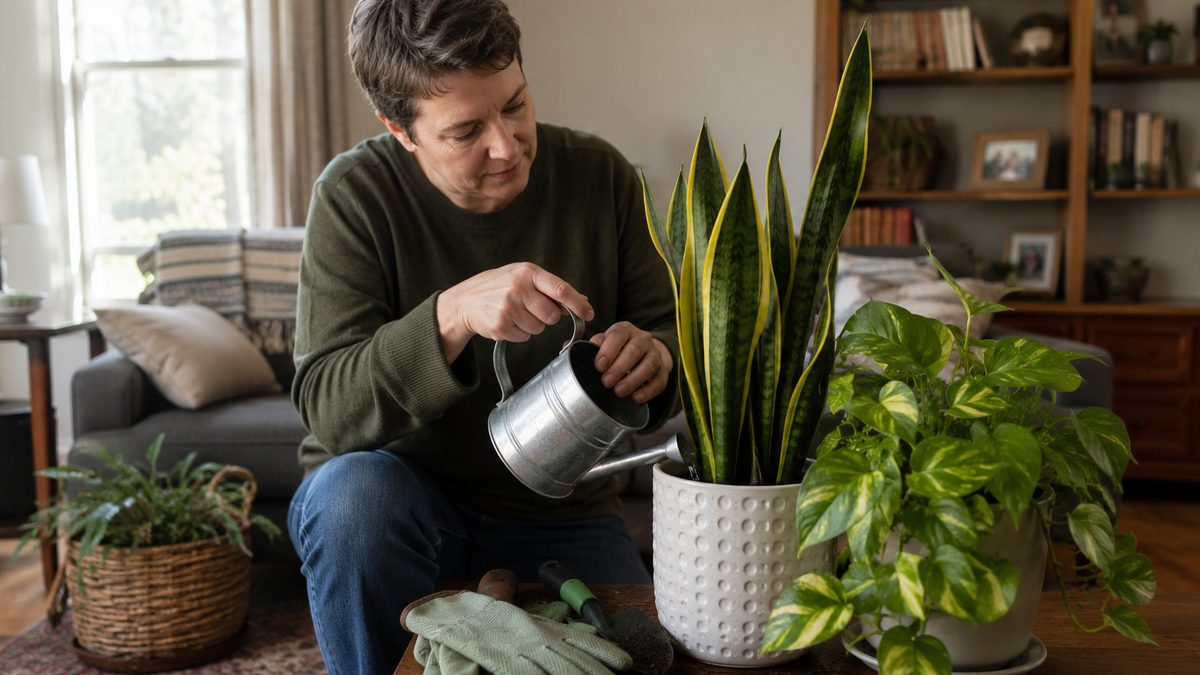
Easy-care houseplants have become a practical way for many households to add greenery without complicated maintenance. Editorial illustration by TheDailyGlobe.
Key Facts
- Easy-care houseplants remain popular because they fit busy lifestyles.
- National gardening research continues to show strong interest in home gardening and indoor plants.
- University extension programs recommend several hardy species for beginners because they tolerate common indoor conditions.
- Houseplants can be an inexpensive way to refresh a living space compared with larger home improvement projects.
- Successful plant ownership usually depends more on matching the right plant to the environment than buying expensive varieties.
For years, social media made houseplants look like another competition. Homes filled with rare tropical plants, carefully styled shelves, and complicated care routines became part of an online aesthetic that often felt expensive and difficult to maintain.
Today, many plant owners appear to be moving in a different direction. Instead of chasing unusual varieties that demand constant attention, more people are choosing durable, forgiving houseplants that fit everyday routines. The goal is no longer to impress visitors with a rare collection. It is simply to enjoy a greener home without worrying that every missed watering will end in another dead plant.
Practical Plants for Real Homes
The appeal of low-maintenance plants starts with practicality. Many households juggle work, family responsibilities, travel, and busy schedules. A plant that needs constant monitoring can quickly become another chore instead of something enjoyable.
Hardier varieties such as snake plants, pothos, ZZ plants, spider plants, and cast-iron plants have earned loyal followings because they tolerate occasional missed waterings and adapt to a range of indoor lighting conditions. That flexibility makes them a better match for ordinary homes than delicate plants that require precise humidity, frequent fertilizing, or specialized lighting.
Extension gardening experts often encourage new plant owners to begin with forgiving species instead of challenging ones. Building confidence with a few successful plants is usually more rewarding than spending money on something that struggles from the start.
An Affordable Home Upgrade
For many families, decorating budgets remain tight. Repainting a room, replacing furniture, or remodeling a space can be expensive. A healthy houseplant, by comparison, offers a relatively inexpensive way to change the feel of a room.
Plants can soften empty corners, add color to shelves, and make living spaces feel more inviting without requiring major purchases. Because many easy-care varieties also grow over time, a modest purchase can become a lasting part of the home.
That affordability helps explain why indoor plants continue appealing to renters, first-time homeowners, college graduates, and anyone looking to improve a space without taking on a large project.
Success Matters More Than Perfection
Experienced gardeners often point out that keeping plants alive is less about having a natural talent and more about understanding a few basic needs. Light, watering, drainage, and choosing the right location usually matter far more than buying expensive tools or specialty products.
Many beginners discover that overwatering causes more problems than underwatering. Others learn that moving a plant closer to a window can make a bigger difference than adding fertilizer. Small adjustments often produce better results than constantly replacing struggling plants.
That practical mindset has helped shift attention away from collecting rare plants and toward building habits that work in everyday life.
What Experts Continue to Recommend
Gardening organizations and university extension programs continue to emphasize choosing plants that match a home's existing conditions rather than trying to recreate a greenhouse indoors. Understanding how much natural light a room receives, selecting containers with proper drainage, and watering only when needed remain among the most common recommendations for new indoor gardeners.
Experts also note that every home is different. Heating, air conditioning, window placement, and seasonal changes all affect how plants grow. A variety that thrives in one house may require different care in another, making observation just as important as following general advice.
A Trend Built to Last
It remains unclear whether interest in indoor plants will continue growing at the same pace in the coming years. Trends naturally change, and decorating styles evolve.
What seems more durable is the appeal of simple, affordable improvements that make everyday living spaces feel more comfortable. Easy-care houseplants offer a combination that many people continue to value: they are relatively inexpensive, require only modest attention, and provide a small daily reminder of growth inside the home.
As more people look for practical ways to make their homes feel welcoming without spending heavily, the humble houseplant may continue proving that the best home upgrades are sometimes the simplest ones.
Reporting note: Reporting draws on the National Gardening Survey, Garden.org resources, university extension guidance on indoor plants, and reviewed background materials. This article was produced with AI-assisted research and reviewed by an editor before publication.