Rex Reed Helped Define a Sharper, More Personal Era of Film Criticism
Rex Reed, the outspoken film critic and journalist known for a six-decade career in print and television criticism, has died at 87.
Save Article
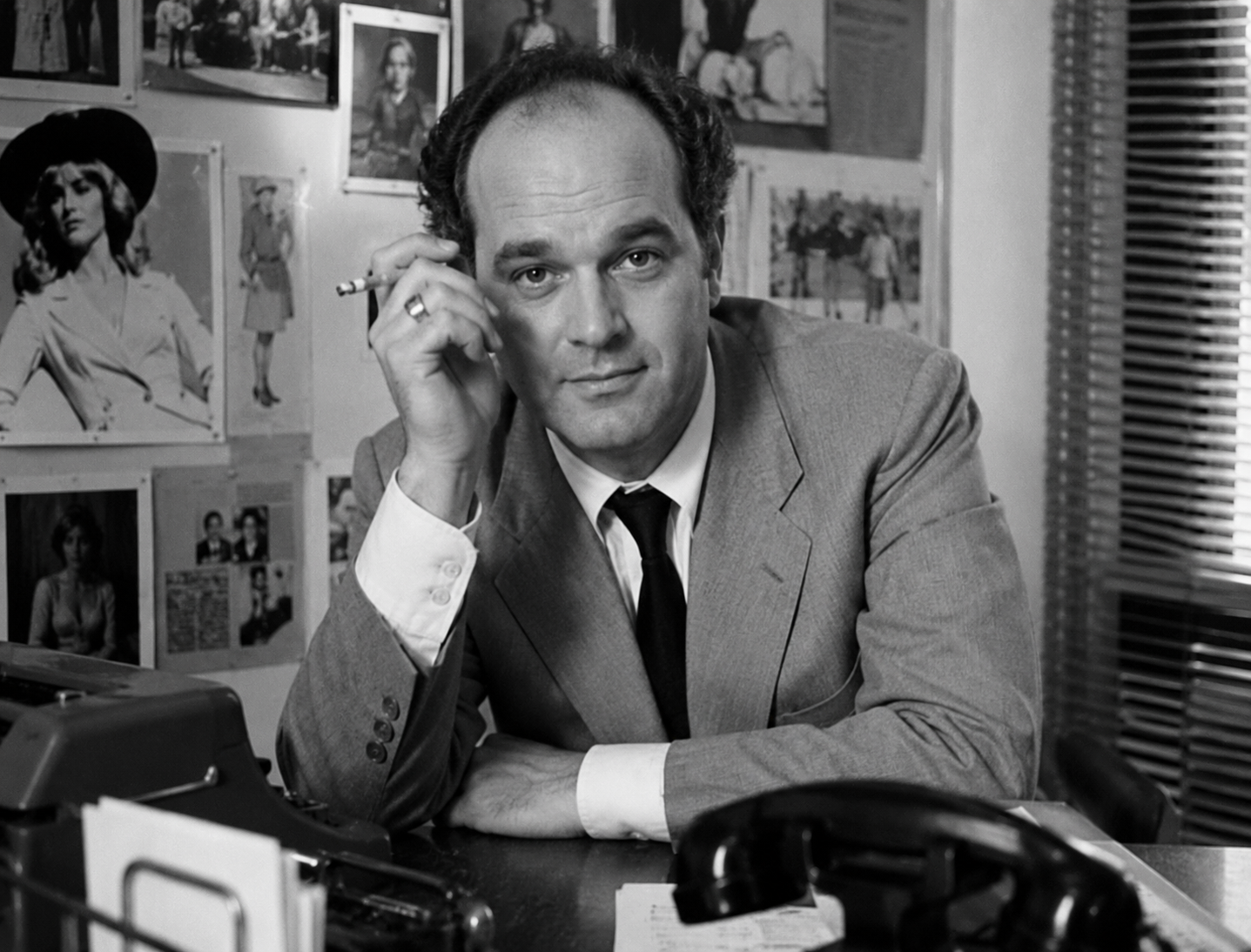
Rex Reed, the outspoken film critic and journalist known for a six-decade career in print and television criticism, has died at 87. Editorial illustration by TheDailyGlobe.
Rex Reed, the outspoken film critic whose sharp personal style made him one of the more recognizable voices in American movie criticism, has died at 87.
Entertainment Weekly reported that Reed died on May 12, 2026. EW described him as an outspoken film critic and longtime cohost of At the Movies, and reported that he wrote for major publications over a career that lasted more than six decades. Associated Press reporting also confirmed his death and described him as a prominent film critic and journalist.
Reed’s importance was not that every reader agreed with him. Many did not. His place in culture came from the older media world he represented: a time when a critic’s voice in print or on television could help shape what audiences noticed, argued about, dismissed or defended.
A Critic With a Personal Voice
Reed was known for reviews that sounded like they came from a person, not a committee. That made him influential to some readers and polarizing to others. The same directness that made his writing memorable also made parts of his career controversial.
A respectful obituary does not need to repeat his harshest lines or turn his career into a list of feuds. The more useful point is that Reed belonged to an era when cultural criticism was often built around strong individual judgment. A critic could be funny, cutting, unfair, perceptive, excessive or all of those things in the same public career.
Why His Era Feels Different Now
Film criticism has changed since Reed’s rise. Viewers now encounter opinions through review sites, social media, podcasts, YouTube, newsletters and audience scores. The old gatekeeping power of one critic in a newspaper column or television chair is weaker than it once was.
That makes Reed’s death a cultural marker as much as an obituary. He represented a sharper, more personal form of criticism that could irritate readers and still keep them reading. His career showed both the influence and the limits of a critic who treated taste as something worth arguing over.
What remains unclear is whether additional family or institutional statements will add more detail to his final days. What is clear is that Reed’s long career left a record of criticism from a media era when one strong voice could still become part of how the public experienced the movies.
Reporting note: Reporting draws on Entertainment Weekly obituary reporting, Associated Press confirmation, film criticism background, and reviewed cultural context. This article was produced with AI-assisted research and reviewed by an editor before publication.