Messaging Has Replaced the Phone Call for Many Americans
Messaging has become the default way many Americans coordinate daily life, changing how people treat urgency, manners, family logistics and connection.
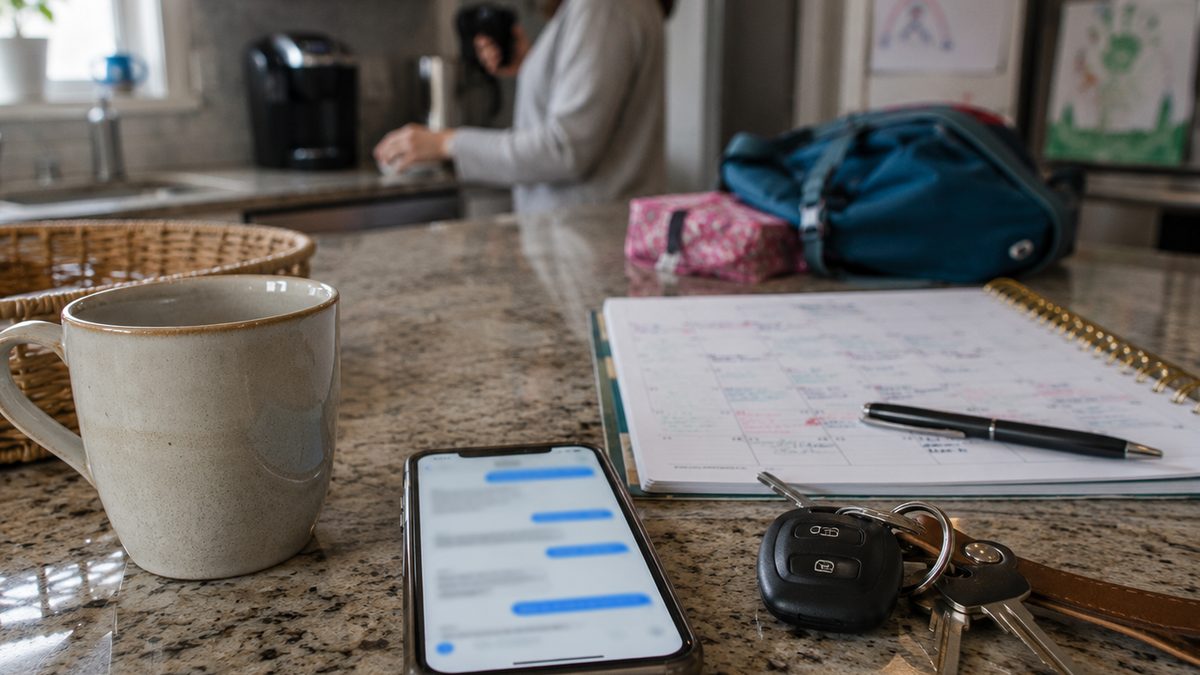
Messaging has become the default way many people coordinate daily life, replacing phone calls in ordinary routines. Editorial illustration by TheDailyGlobe.
Key Facts
- YouGov reported in 2026 that messaging now replaces many phone calls for 68 percent of Americans.
- Pew Research Center reports high smartphone and internet adoption in the United States.
- DataReportal tracks U.S. digital, mobile and social media use for 2026.
- Messaging has changed how people handle family logistics, friendships, work updates and everyday etiquette.
- It remains unclear whether messaging improves connection overall or simply makes communication easier to delay or avoid.
An unexpected phone call now carries a different kind of weight. For many people, the first thought is not curiosity. It is, “Is something wrong?”
That reaction says a lot about how everyday communication has changed. The phone is still in nearly everyone’s pocket, but the call itself has become less routine. A text, message, group chat or voice note often comes first. The call is increasingly saved for urgency, emotion, complexity or the person who refuses to type a paragraph into a small screen.
YouGov reported in 2026 that messaging now replaces many phone calls for 68 percent of Americans. Pew Research Center reports high smartphone and internet adoption in the United States, and DataReportal tracks U.S. digital, mobile and social media use for 2026. Together, those findings point to a simple shift many readers already recognize: communication has not disappeared. It has moved into message threads.
Why Texting Became the Default
Messaging works because it fits into fractured days. A person can reply between meetings, while waiting in a pickup line, during a lunch break or after the kids go to bed. A call asks both people to be available at the same time. A message waits.
That flexibility is useful. Families can coordinate rides, groceries, appointments and school updates without needing a long conversation. Friends can stay loosely connected through memes, photos, quick check-ins and group chats. Coworkers can confirm details without turning every question into a meeting.
The tradeoff is that convenience changes expectations. A message can be answered in seconds, hours or never. A call is harder to ignore without it being obvious. That difference has changed the manners around communication.
A New Kind of Etiquette
In many households and workplaces, texting before calling has become the polite move. A quick “Can you talk?” gives the other person a chance to decide whether the moment works. Calling without warning can feel urgent even when it is not meant that way.
That does not make one style better than the other. Some people still prefer calls because tone is clearer, details move faster and misunderstandings are easier to fix. Others prefer messaging because it gives them time to think, keeps a record and avoids interrupting whatever they are doing.
The problem comes when people assume their own preference is universal. One person may see a missed call as rude. Another may see an unexpected call as intrusive. One person may treat a delayed text as normal. Another may read it as being ignored.
What Messaging Gives Families and Friends
For family life, messaging can be a practical gift. A household can run on texts: “Pick up milk,” “Practice ends at 6,” “Grandma called,” “Running late,” “Did you pay that bill?” These messages are not deep, but they keep daily life moving.
Group chats can also hold families and friend groups together across distance. They create a low-pressure way to share updates that may not justify a call but still matter: a kid’s photo, a doctor’s appointment update, a joke, a recipe, a reminder, a little proof that people are still paying attention.
For people who are busy, tired or stretched thin, that matters. A message can keep a connection alive until there is time for more. It can be the small bridge between silence and a longer conversation.
What Gets Lost When Everything Is Typed
Typed communication has limits. Tone can disappear. A short reply can sound cold when the person was only busy. A joke can land wrong. A serious issue can become a long thread when a five-minute call would have solved it.
Messaging can also make avoidance easier. A person can delay a difficult conversation, leave a thread unread or respond with a reaction instead of an answer. That can reduce conflict in the moment, but it can also let confusion build.
There is a difference between communication that is easier and communication that is better. Messaging is often easier. Whether it improves connection depends on the people, the situation and what the conversation actually needs.
Work, Urgency and the Always-Reachable Problem
Work has also helped make messaging normal. Many jobs now involve a steady flow of texts, chats, alerts, emails and app notifications. For some workers, the phone is not only personal. It is part of the job.
That can blur the line between being reachable and being available. A message may arrive at night, on a day off or during family time. Because messages feel less formal than calls, they can also feel easier to send without thinking about the other person’s time.
Calls used to announce themselves as interruptions. Messages can interrupt more quietly, but more often. That is why many people are trying to set new boundaries: turning off notifications, muting group chats, using do-not-disturb settings or telling people when a call is better than a thread.
The Phone Call Is More Intentional Now
As messaging becomes the default, the phone call may become more meaningful, not less. Calling someone can signal that the issue is urgent, personal or complicated enough to deserve a real-time conversation.
That can be good. A call can carry warmth that a text cannot. It can make room for pauses, laughter, concern and the kind of back-and-forth that does not fit neatly into bubbles on a screen. It can also prevent a sensitive conversation from turning into a pile of screenshots and misunderstood fragments.
The next thing to watch is whether people build clearer manners around when to message and when to call. The technology is not going away. The question is whether people can use it in ways that make daily life easier without making relationships thinner.
For now, the shift is already visible. The phone still rings, but less casually. A message now handles much of ordinary life. A call, when it comes, feels more like a choice.
Reporting note: Reporting draws on YouGov communication survey findings, Pew Research Center internet and smartphone adoption data, DataReportal U.S. digital-use materials, and reviewed background context. This article was produced with AI-assisted research and reviewed by an editor before publication.