Leftovers Are the Home-Cooking Skill People Keep Relearning
Leftovers can stretch meals, save money and reduce waste, but safe storage and reheating matter more than family myths or guesswork.
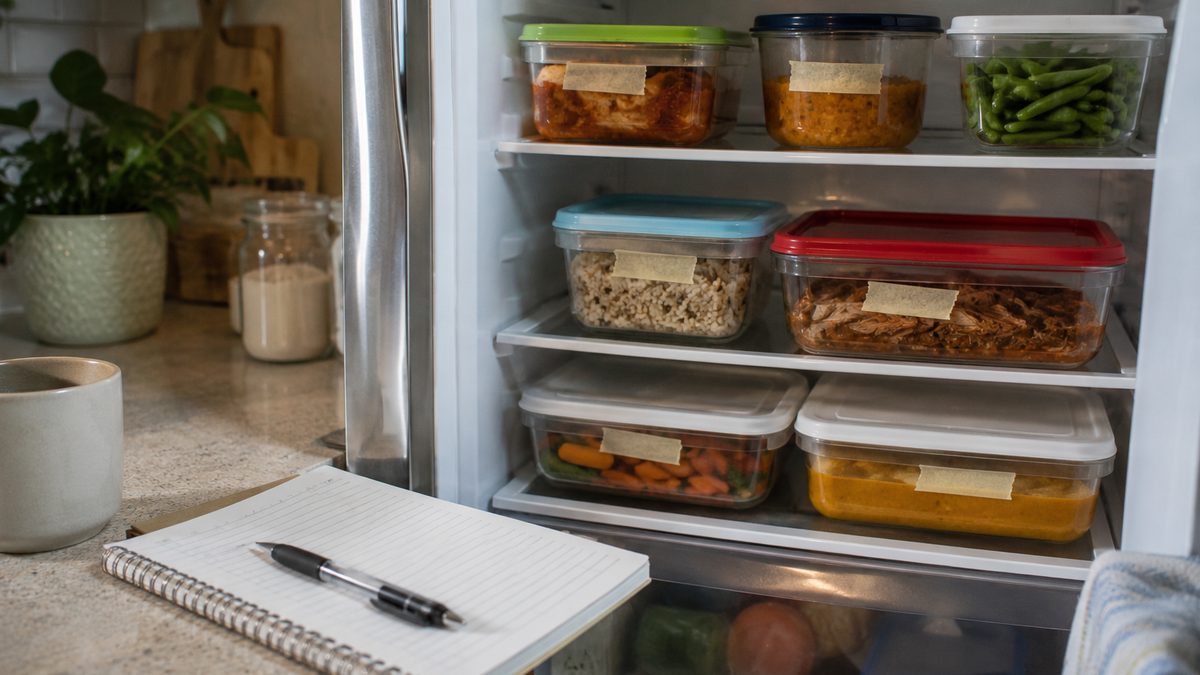
Leftovers can stretch a household food budget, but safe storage and reheating matter. Editorial illustration by TheDailyGlobe.
Key Facts
- USDA says leftovers should be handled safely to reduce the risk of foodborne illness.
- CDC says perishable foods should be refrigerated within two hours, or within one hour if exposed to temperatures above 90 degrees Fahrenheit.
- FoodSafety.gov provides federal tips, alerts and charts for safe food handling and storage.
- Household habits vary widely, so current federal guidance is safer than relying on family myths.
- Some people at higher risk for foodborne illness may need stricter precautions.
Almost every refrigerator has one: a container no one is fully sure about. It might be pasta from earlier in the week, grilled chicken from the weekend, rice from takeout or the last scoop of casserole from a family dinner. Someone opens the lid, someone else asks when it was made, and the kitchen turns into a small investigation.
Leftovers are one of the most ordinary parts of home cooking. They save money, stretch meals, reduce waste and make busy weeks easier. But they also require a skill many households keep relearning: knowing how to cool, store, reheat and finally throw food away when keeping it is no longer worth the risk.
Why Leftovers Matter at Home
Leftovers are not just extra food. For many families, they are part of the weekly budget. A big pot of soup, a tray of baked chicken or a pan of rice can become lunch, a second dinner or an easy meal between work, school and activities.
That is why people hesitate before throwing food away. Groceries cost money. Cooking takes time. Wasting a meal can feel wrong when a household is trying to stretch its food budget. Leftovers can be the difference between ordering takeout and getting through another night with what is already in the fridge.
But saving food only helps if the food is still safe to eat. The everyday challenge is finding the line between being practical and taking a chance with something that has been stored too long, cooled too slowly or reheated carelessly.
The Two-Hour Rule Is a Useful Starting Point
CDC guidance gives households a clear starting point: perishable foods should be refrigerated within two hours. If the food has been exposed to temperatures above 90 degrees Fahrenheit, the window shortens to one hour.
That matters during cookouts, potlucks, holidays and summer meals, when food may sit out while people talk, swim, watch a game or come back for seconds. It also matters on ordinary nights when a pan is left on the stove while the house moves on to homework, baths or television.
The point is not to panic over every container. It is to take time and temperature seriously. Bacteria that can cause illness may grow when food sits too long in unsafe temperature ranges, and the food may not always look or smell different enough to warn someone.
Family Habits Are Not Always Food Safety Rules
Many leftover habits are inherited. One household may keep cooked food for days without thinking much about it. Another may throw food away quickly. Some people trust a smell test. Others rely on the date they think the meal was cooked, even if no one is quite sure.
Federal food-safety guidance is a better anchor than guesswork. USDA's leftover guidance focuses on safe handling to reduce foodborne illness risk. FoodSafety.gov brings together federal tips, alerts and charts that can help households check storage and handling basics without relying on kitchen folklore.
That does not mean every family has to treat leftovers like a science project. It does mean simple habits help: cool food promptly, refrigerate it on time, use clean containers, label when helpful and reheat food properly before serving it again.
The Budget Benefit Is Real, but So Is the Limit
Leftovers can make home cooking feel more manageable. A family that cooks once and eats twice saves time. A worker who takes leftovers for lunch may avoid spending money during the day. A parent who turns last night's chicken into another meal may make the grocery bill go further.
There is also a cultural piece to it. Leftovers are how many households show thrift, creativity and care. A container in the fridge can mean someone cooked enough for tomorrow. It can mean a grandparent packed food to send home. It can mean a busy family has one less decision to make after a long day.
Still, thrift has a stopping point. If food was left out too long, stored poorly or has become questionable, the money has already been spent. Eating unsafe food does not recover the cost. It only adds risk.
Some Households Need Extra Caution
Food safety also depends on who is eating. Some people are at higher risk for serious illness from foodborne germs, including certain older adults, young children, pregnant people and people with weakened immune systems. Federal guidance can help households understand when extra caution is appropriate.
That is one reason leftover arguments should not be brushed aside as overcautious or wasteful. In some homes, the safer choice may be stricter than what another household is used to. The same container of food may carry different risk depending on how it was handled and who is going to eat it.
A Calm Rule for the Refrigerator
The best leftover habit is not complicated: save food on purpose, store it safely and do not let pride or guilt make the final decision. Labeling containers, cooling food promptly and checking federal guidance can prevent a lot of confusion later.
Leftovers are one of the most practical home-cooking skills because they sit at the center of real life: budgets, busy nights, family routines and the desire not to waste good food. But the useful rule is also the simplest one. Saving food is smart. Keeping questionable food is not.
Reporting note: Reporting draws on USDA Food Safety and Inspection Service guidance, Centers for Disease Control and Prevention food-safety materials, FoodSafety.gov resources, and reviewed background materials. This article was produced with AI-assisted research and reviewed by an editor before publication.