Clarence Carter’s Songs Carried Southern Soul From Muscle Shoals to the Mainstream
Clarence Carter, the soul and blues singer-songwriter known for “Patches,” “Slip Away,” “Back Door Santa” and “Strokin’,” has died at 90.
Save Article
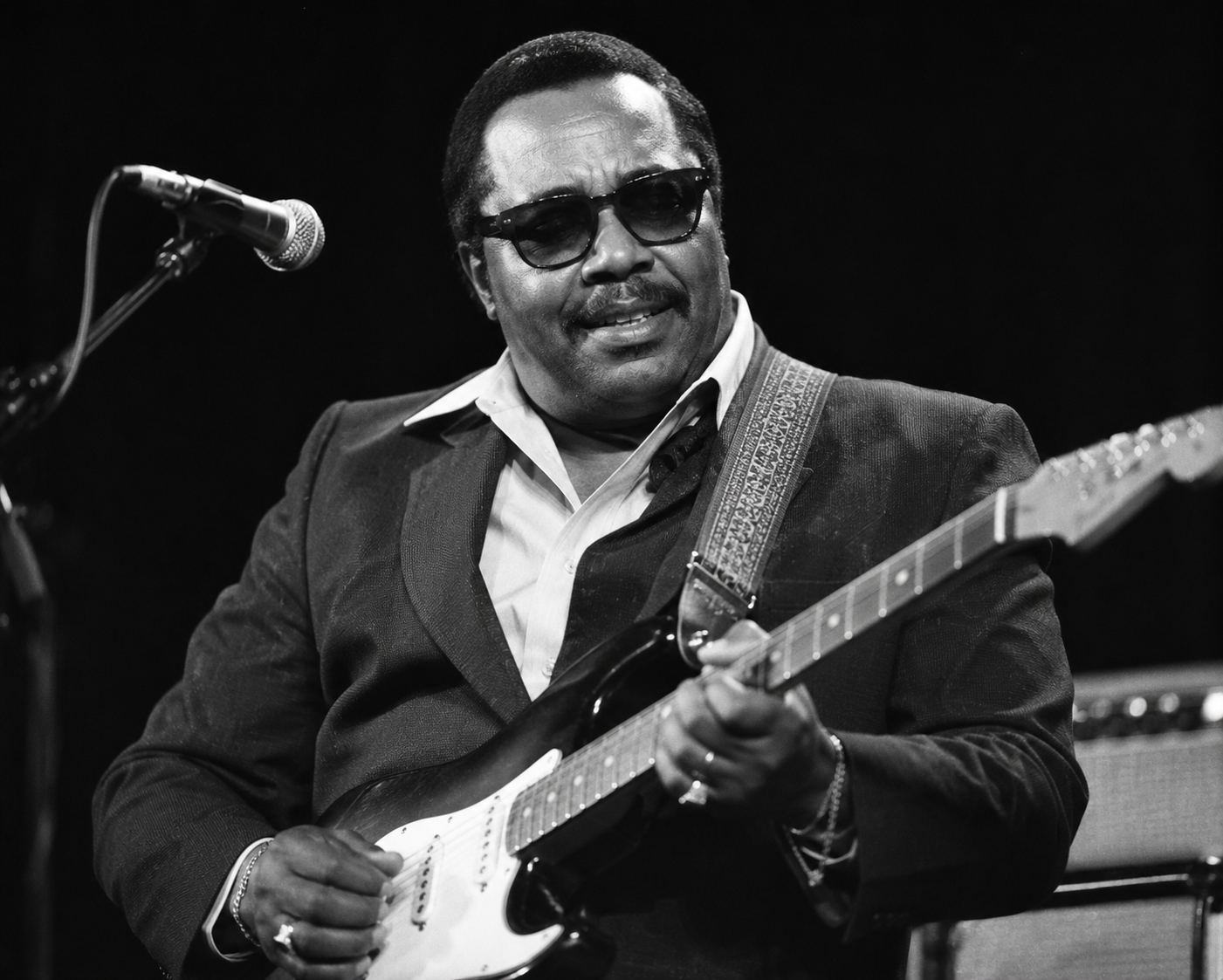
Clarence Carter, the soul and blues singer-songwriter known for “Patches,” “Slip Away,” “Back Door Santa” and “Strokin’,” has died at 90. Editorial illustration by TheDailyGlobe.
Clarence Carter, the soul and blues singer-songwriter whose songs moved from Southern studios to jukeboxes, radio, and popular memory, has died at 90.
The Associated Press reported Carter’s death and described him as a soul and blues singer-songwriter. He was known for songs including “Patches,” “Slip Away,” “Back Door Santa” and “Strokin’.” AP attributed his death to natural causes through a spokesman; other secondary reports have described some details differently, so the most careful focus is on his life and work.
Carter’s career mattered because it joined several American music traditions at once. His sound carried blues feeling, Southern soul, R&B storytelling and the studio culture associated with Muscle Shoals. Encyclopedia of Alabama and Alabama Music Hall of Fame materials document his career and connection to that musical world.
More Than One Signature Song
For some listeners, Carter will be remembered first for “Patches,” a dramatic story-song that became one of his best-known recordings. Others know him from “Slip Away,” “Back Door Santa” or the later jukebox staying power of “Strokin’.” Taken together, those songs show a performer who could move between tenderness, humor, grit and adult R&B without fitting neatly into one lane.
That range is important because Carter’s legacy should not be reduced to one novelty hit. His voice, songwriting and long career made him part of a Southern soul tradition that connected regional studios with national audiences.
Why His Career Still Matters
Carter’s music came from a world where place mattered. Muscle Shoals was not just a backdrop; it was part of the sound, with musicians, studios and songwriters helping shape records that traveled far beyond Alabama.
For readers who know only one or two songs, Carter’s death is a reminder that American popular music is often carried by artists whose work lasts in fragments: a chorus on oldies radio, a holiday track, a club favorite, a sample, a family record collection. Carter’s songs remained alive that way for decades.
His death closes a long public life in music, but the recordings remain part of the larger story of Southern soul: direct, durable, sometimes playful, and rooted in a sound that made local studios feel national.
Reporting note: Reporting draws on Associated Press reporting, People reporting, Encyclopedia of Alabama materials, Alabama Music Hall of Fame materials, and reviewed background materials. This article was produced with AI-assisted research and reviewed by an editor before publication.