Birdwatching Is the Offline Hobby Hiding in Plain Sight
Birdwatching is a low-cost way to slow down, get outside and notice wildlife in backyards, parks, walking trails and city streets.
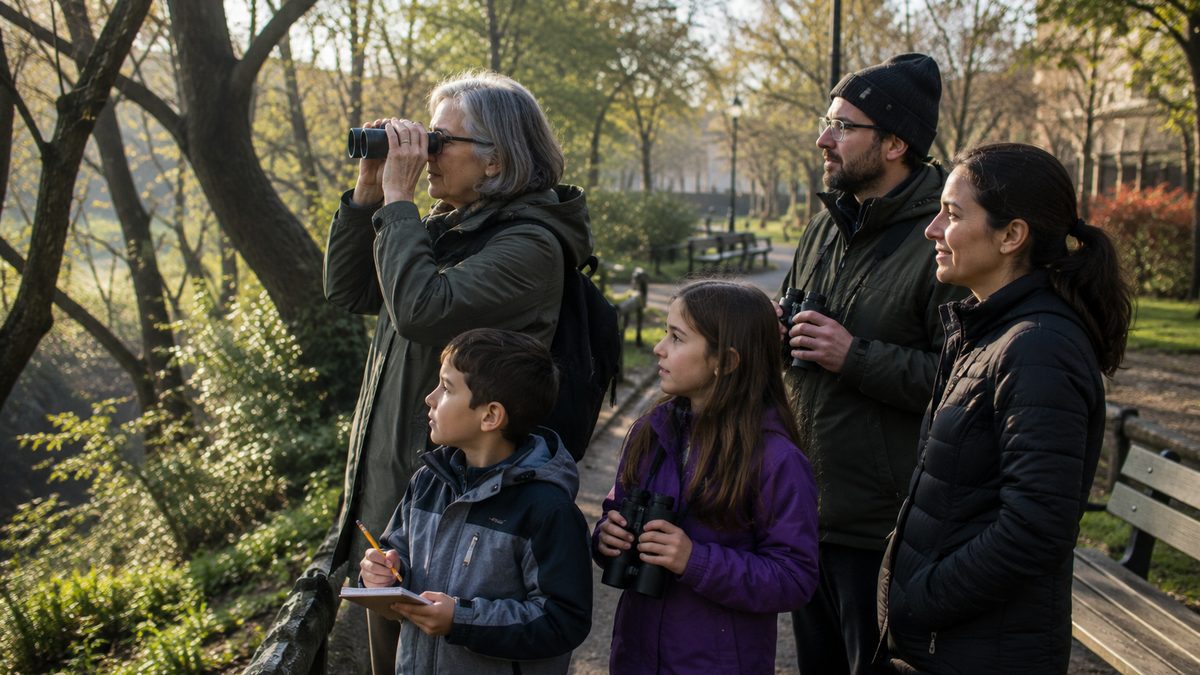
Birdwatching can fit ordinary places, from parks and backyards to walking trails and city neighborhoods. Editorial illustration by TheDailyGlobe.
Key Facts
- Birdwatching is an accessible outdoor hobby that can work in backyards, parks, walking trails, small towns and cities.
- U.S. wildlife agencies track birdwatching and wildlife watching as common ways people engage with nature.
- The hobby does not require expensive equipment; many beginners start with attention, a field guide, a phone app or simple binoculars.
- Birdwatching can fit families, retirees, commuters, walkers and people looking for a low-pressure screen break.
- Respectful wildlife viewing matters: watchers should follow local rules, avoid disturbing birds and stay out of restricted habitat.
Birdwatching has a funny way of sounding like something people have to travel for, study for or retire into. In reality, it can start with a window, a sidewalk, a backyard, a park bench or a slow walk around the block.
That is part of the appeal. In a culture full of screens, birdwatching gives people a reason to look up. It turns ordinary places into something more noticeable: a tree with movement in it, a power line with a shape on it, a patch of grass where a bird is hunting for breakfast.
The hobby is not new, and it does not require a wilderness trip or expensive gear. U.S. wildlife agencies and national survey materials have long treated wildlife watching, including birding, as a major way people connect with nature. The everyday version is simple: pay attention, learn a few birds, and let a familiar place become more alive.
Why Birdwatching Fits Ordinary Life
One reason birdwatching endures is that birds are almost everywhere people are. They gather near water, nest in trees, cross parking lots, visit feeders, move through parks and cut across city skies. A person does not need to live near a national park to notice them.
That makes birding different from many hobbies that require a specific place, fee, class or schedule. It can be folded into things people already do: walking a dog, taking kids to a playground, drinking coffee on a porch, waiting at a bus stop or visiting a local trail on a Saturday morning.
The habit begins when the background becomes the point. A bird that was once just a blur becomes a robin, cardinal, gull, hawk, sparrow or woodpecker. The more a person notices, the more familiar the neighborhood can feel.
A Screen Break With Something to Do
A lot of advice about using screens less fails because it does not give people a replacement. Birdwatching does. It asks for attention, but not performance. There is no score to chase, no feed to refresh and no need to turn the hobby into content.
That is not to say phones have no place in birding. Many people use apps to identify birds, log sightings or learn calls. But the center of the hobby is still outside the screen: looking, listening and noticing what is happening in the real world.
For families, birdwatching can also work because it scales down. A child does not need to know bird taxonomy to enjoy spotting a bright feather or hearing a loud call. An adult does not need to be an expert to suggest looking for what is nearby.
Backyards, Parks and City Streets Count
Birdwatching often gets pictured as a quiet person with binoculars in a marsh or forest. That version exists, but it is not the whole hobby. Backyard birding can be as simple as noticing who visits a tree, fence or feeder. Park birding can happen during a normal walk. City birding can mean watching pigeons, crows, hawks, sparrows and seasonal migrants move through a built landscape.
This matters because access is uneven. Not everyone can travel to birding destinations, buy high-end binoculars or spend a full day outside. A useful hobby should have an entry point for people with limited time, limited money or limited mobility.
Birdwatching can offer that entry point. A retiree might watch from a porch. A commuter might learn the birds near a train platform. A family might keep a simple list on the refrigerator. A walker might choose a route through a park instead of along a busy road.
The Gear Can Stay Simple
Birding can become gear-heavy for enthusiasts, but it does not have to start there. A beginner can begin with bare eyes and curiosity. A basic pair of binoculars may help, but the hobby should not be confused with the shopping.
A notebook, a library field guide or a reputable bird identification app can be enough for many people. The useful questions are straightforward: What color was it? How big was it? What shape was the beak? Was it on the ground, in a tree or near water? What sound did it make?
Those observations build skill over time. Birdwatching rewards repetition. The same yard or park can look different in spring migration, summer nesting season, fall movement and winter quiet.
Respecting the Birds and the Place
The best birdwatching is quiet, patient and respectful. Birds are not props, and good viewing should not disturb nests, feeding areas or protected habitat. Local rules matter, especially in parks, refuges, beaches and conservation areas.
That means staying on marked trails where required, keeping a reasonable distance, following feeder rules, respecting private property and avoiding behavior that pressures birds for a better look or photo. The goal is to observe wildlife, not force wildlife to perform.
This respectful approach also makes birdwatching more relaxing. When the point is attention instead of capture, a short walk can feel successful even if the bird list is small.
A Hobby Hidden in Plain Sight
Birdwatching is easy to overlook because the birds were already there. The hobby does not always announce itself with a class, subscription or big purchase. It begins when a person decides that the ordinary movement around them is worth noticing.
That makes it a good fit for people who want a screen-light habit but do not want another complicated obligation. It can be social or solitary, structured or casual, daily or occasional. It can happen with children, friends, older relatives or alone on a quiet walk.
The next step is small: look outside, learn one bird, then learn another. A neighborhood can change when a person starts recognizing who else lives there. Birdwatching does not require escaping ordinary life. It asks people to notice that ordinary life has wings moving through it.
Reporting note: Reporting draws on U.S. Fish and Wildlife Service birdwatching materials, Association of Fish and Wildlife Agencies survey context, birding economy reporting, and reviewed culture materials. This article was produced with AI-assisted research and reviewed by an editor before publication.