Why Water Bills Are Becoming a Household Budget Pressure Point
Aging pipes, treatment needs, drought and storm damage are putting pressure on water systems, and those costs can reach families and small businesses through monthly bills.
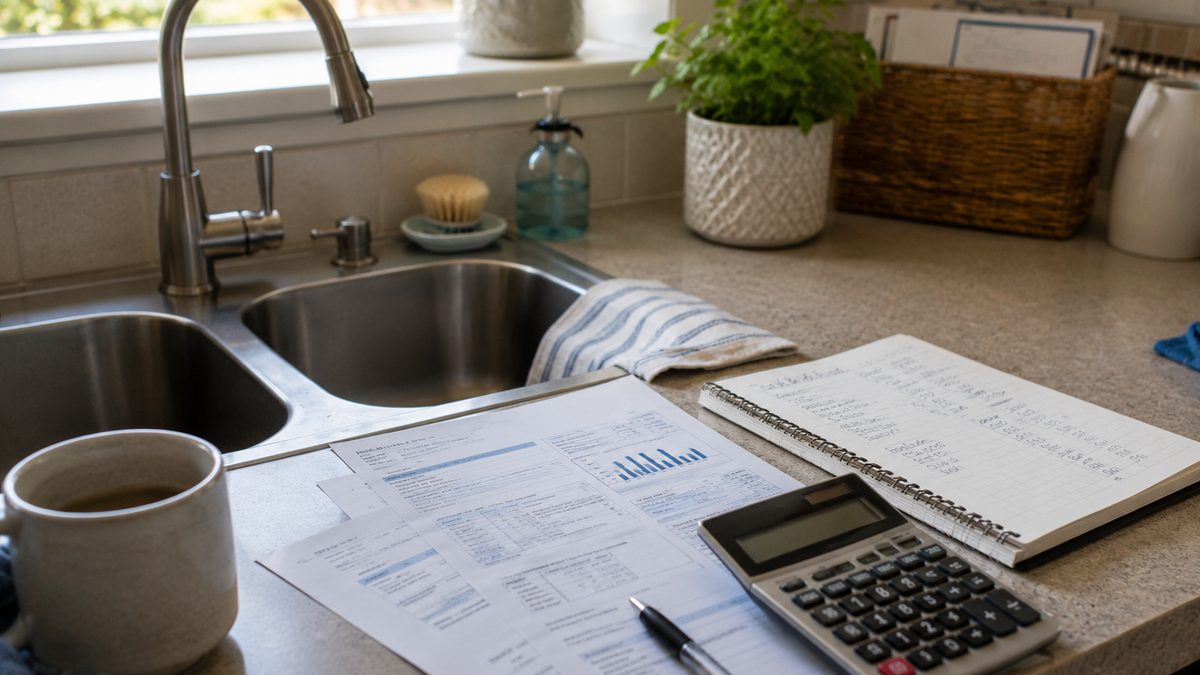
Water infrastructure costs can show up in monthly household and small-business bills. Editorial illustration by TheDailyGlobe.
Key Facts
- The Environmental Protection Agency conducts national surveys of drinking water and clean water infrastructure needs.
- The American Water Works Association said addressing U.S. drinking water infrastructure and related needs could require $2.1 trillion to $2.4 trillion over 25 years.
- The American Society of Civil Engineers said America drinking water systems require more than $625 billion over 20 years to reach a state of good repair.
- Recent national reporting has connected rising water costs to infrastructure, drought and extreme weather.
- Water-bill pressure can affect homeowners, renters, landlords and small businesses, but local costs vary widely.
A higher water bill can be confusing in a way other bills are not. A family may not feel like it used much more water. The kitchen sink still runs, the shower still works and the lawn may not look any greener. Yet the amount due can still climb.
That is why water is becoming a more visible household budget issue. Water bills are not only about what a family uses inside the home. They can also reflect the cost of old pipes, treatment systems, storm damage, drought pressure and the expensive work required to keep local water systems safe and reliable.
The Bill Starts With Local Infrastructure
Water feels simple when it works. Turn the faucet, fill a glass, wash dishes, take a shower. Behind that routine is a network of pipes, pumps, treatment plants, storage systems and workers responsible for moving clean water into homes and businesses and handling wastewater after it leaves.
Many of those systems are old or expensive to maintain. The EPA conducts national surveys of drinking water and clean water infrastructure needs, which help show the scale of work facing utilities. Those needs can include replacing aging pipes, improving treatment facilities, meeting water-quality requirements and preparing systems for heavier storms or dry conditions.
That does not mean every household water bill will rise. Water systems are local, and the cost picture can differ sharply from one community to another. But when a utility has to repair, replace or upgrade major infrastructure, someone has to pay for that work. In many places, part of the cost can eventually show up in rates.
The National Price Tag Is Large
The American Water Works Association said addressing U.S. drinking water infrastructure and related needs could require $2.1 trillion to $2.4 trillion over 25 years. The American Society of Civil Engineers has separately said America drinking water systems require more than $625 billion over 20 years to reach a state of good repair.
Those figures are not a prediction of any one household bill. They are national estimates of system needs. Still, they help explain why water affordability is getting more attention. A city with old mains, treatment upgrades or storm-related repairs may face costs that cannot be solved by small maintenance fixes.
The challenge is that water service is essential. Families can delay some purchases or cut back on extras, but they cannot opt out of drinking water, bathing, laundry, cooking or basic sanitation. That makes water different from many other household expenses.
Renters and Small Businesses Can Feel It Too
Water costs do not stop with homeowners. Renters may pay a water bill directly, or they may feel costs through rent and fees depending on how a property is managed. Landlords may face higher utility costs and then decide whether or how to pass those costs along.
Small businesses can also be exposed. Restaurants, laundromats, car washes, salons, repair shops, small manufacturers and landlords all depend on water. A higher bill may not be the biggest expense for every business, but it can add to other pressures such as rent, labor, insurance, supplies and energy.
That matters because water infrastructure is often discussed as a public-works issue, but the cost can become a Main Street issue. A water-system upgrade may be necessary, but customers may still feel it in monthly bills, menu prices, service costs or rent.
Drought and Storms Add Another Layer
Recent national reporting has connected rising water costs to infrastructure, drought and extreme weather. Those pressures can affect systems in different ways. Drought can strain supplies and force communities to manage water more carefully. Heavy storms can damage infrastructure, overwhelm systems or require expensive upgrades.
Treatment costs can also matter. Utilities may need to meet safety standards, handle contaminants, replace old equipment or protect water sources. These are not always visible to customers, but they are part of the price of keeping water service dependable.
The local nature of water service is important. A community dealing with aging pipes may have a different cost problem than one facing drought, storm damage or treatment upgrades. There is no single national explanation for every local water bill.
What Remains Unclear
The biggest unanswered question is which communities will see the largest increases and how much public funding will offset costs before they reach households. Federal, state and local funding can affect whether infrastructure work is paid for through grants, borrowing, rate increases or some mix of sources.
It is also unclear how landlords will pass water costs to renters in different markets. Some renters see water as a separate bill. Others may experience higher costs indirectly. That makes affordability harder to measure household by household.
For readers, the next signals to watch are local utility rate cases, EPA infrastructure surveys and state water-funding plans. Water bills may look boring until they rise. But behind that monthly charge is one of the most expensive and necessary systems a community owns.
Reporting note: Reporting draws on Environmental Protection Agency infrastructure materials, American Water Works Association reporting, American Society of Civil Engineers infrastructure data, national reporting, and reviewed background materials. This article was produced with AI-assisted research and reviewed by an editor before publication.