Why Restaurants Are Still Trying to Keep Meals Affordable
Families feel higher menu prices, but many small restaurants are also trying to absorb food, labor, rent, utilities and other operating costs.
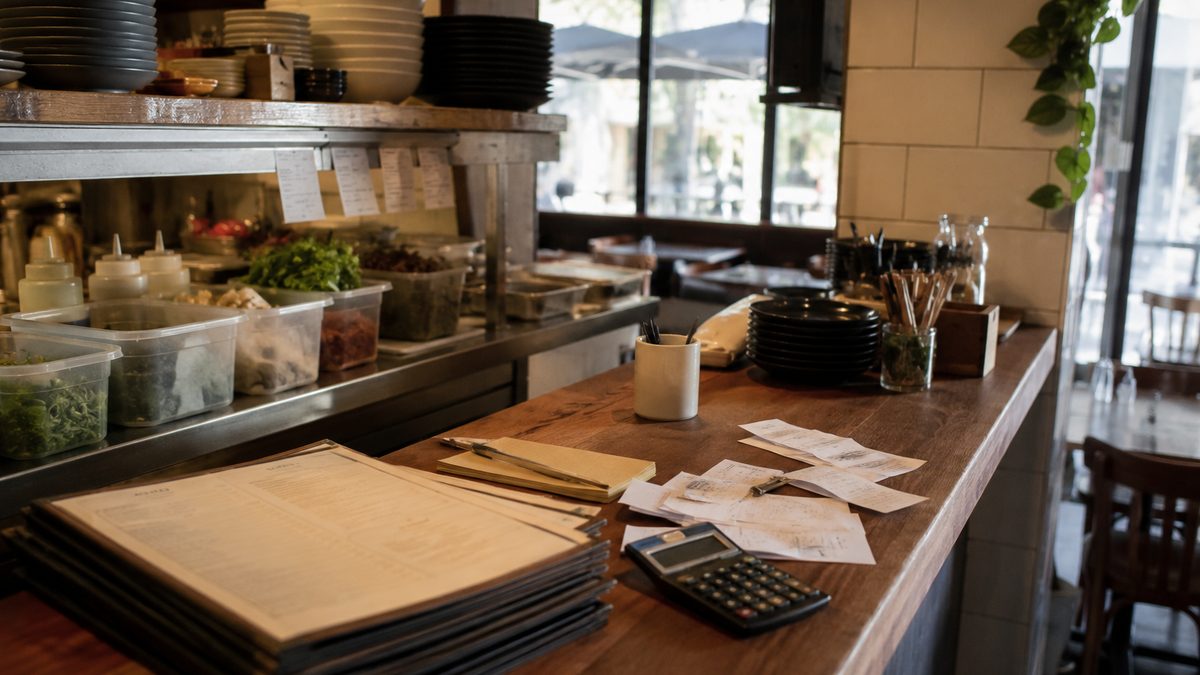
Restaurants are trying to balance family affordability with rising food, labor, and operating costs. Editorial illustration by TheDailyGlobe.
Key Facts
- The National Restaurant Association says restaurant demand remains durable but operators continue to face cost pressure.
- Restaurant industry reporting says food, labor and operating costs remain major challenges in 2026.
- The Bureau of Labor Statistics tracks food away from home as part of the Consumer Price Index.
- Cost structures vary by restaurant, so one menu price does not explain every operator's situation.
- It remains unclear how much each restaurant's prices reflect food, labor, rent, utilities, delivery fees or other expenses.
For a family looking at a simple dinner out, the math can feel different than it used to. A couple of entrees, kids meals, drinks, tax and tip can turn a casual meal into a budget decision. What used to feel like an easy night off from cooking may now feel like something to plan around.
Restaurants are feeling their own version of that pressure. Small operators still need customers to walk through the door, but many are also facing higher food, labor and operating costs. That is why menu prices can feel high to families while restaurant owners still feel squeezed.
The Bill Is Not Just About Food
When customers see a higher menu price, the first assumption is often that the restaurant is charging more for the meal itself. Food is a major part of the cost, but it is not the only one. A neighborhood restaurant also has to cover wages, rent, utilities, insurance, supplies, repairs, card processing fees and, in some cases, delivery or platform costs.
That does not mean every price increase is automatically justified. It means the bill customers see is the end result of several pressures, not just the cost of ingredients on the plate. A diner, food truck, coffee shop, independent pizza place and full-service restaurant may all have different margins and different weak spots.
The National Restaurant Association has described 2026 as a year shaped by persistent cost increases and enduring demand. That framing matters because it captures the tension facing many operators: people still want restaurants, but restaurants may struggle to keep prices at a level families can comfortably afford.
Food Costs Still Matter
Food prices are the most visible part of the restaurant squeeze. If meat, eggs, dairy, cooking oil, produce or other ingredients rise, restaurants have only a few choices. They can raise menu prices, reduce portion sizes, adjust recipes, change suppliers, remove items or accept lower margins.
None of those choices is painless. Raising prices can push customers away. Smaller portions can make regulars feel shortchanged. Cheaper ingredients can hurt quality. Cutting menu items can disappoint customers who come in for a favorite meal.
Industry materials from the National Restaurant Association point to rising food costs and tight supplies as challenges for operators. Readers should understand those claims as industry reporting and interpretation, not proof that every restaurant faces the same situation. Still, they help explain why menu prices have become such a sensitive issue for both customers and owners.
Labor Costs Are Part of the Same Story
Restaurants are also employers. Servers, cooks, dishwashers, hosts, managers, drivers and prep workers are part of the cost of every meal. When labor costs rise, restaurants may have to decide whether to raise prices, cut hours, run with fewer workers or change how service operates.
That can create a difficult tradeoff. Customers want affordable meals and good service. Workers need pay that makes the job worth keeping. Owners need enough sales to cover payroll and stay open. In small restaurants, those pressures often meet in the same room, sometimes on the same night.
This is why restaurant prices are not only a consumer story. They are also a local jobs story. A restaurant that cuts hours may affect workers' paychecks. A restaurant that closes leaves a gap on a main street, in a strip mall or in a neighborhood where people counted on it for meals and work.
Why Customers May Cut Back
The Bureau of Labor Statistics tracks food away from home as part of consumer prices. For households, that category matters because restaurant spending is one of the flexible parts of a family budget. People still need food, but they can choose more meals at home, fewer takeout nights or cheaper restaurant options.
That makes restaurant demand different from some other expenses. A family may keep going out, but less often. A couple may skip appetizers or drinks. A parent may choose fast casual instead of a sit-down meal. Those small decisions add up for restaurants that depend on regular traffic.
What remains unclear is whether customers will keep cutting back later this summer, and how independent restaurants compare with larger chains. Chains may have more purchasing power, advertising budgets or technology systems. Independent restaurants may have stronger neighborhood loyalty but less room to absorb shocks.
The Main Street Balancing Act
For small restaurants, the hard question is how to stay affordable without quietly weakening the business. A menu cannot rise forever. But if prices stay too low while costs keep climbing, the restaurant may have to cut staff, shorten hours, simplify the menu or delay maintenance.
That is the Main Street squeeze: customers feel the bill, workers feel the schedule, and owners feel the costs before anyone knows whether the month will end in the black. No single explanation covers every restaurant. But the broad pressure is clear enough for anyone who has watched a favorite local place raise prices, trim hours or disappear.
The next things to watch are food-away-from-home inflation data, restaurant traffic, local openings and closures, and whether operators can hold onto customers without making meals feel out of reach. For families, the question is whether dining out still fits the budget. For small restaurants, it is whether they can keep the lights on while trying not to price those families out.
Reporting note: Reporting draws on National Restaurant Association industry materials, restaurant cost reporting, Bureau of Labor Statistics consumer price data, and reviewed background materials. This article was produced with AI-assisted research and reviewed by an editor before publication.