Why Back-to-School Shopping Is Starting Earlier
Families are spreading school shopping across the summer as supplies, clothes, shoes, backpacks and other costs compete with regular bills.
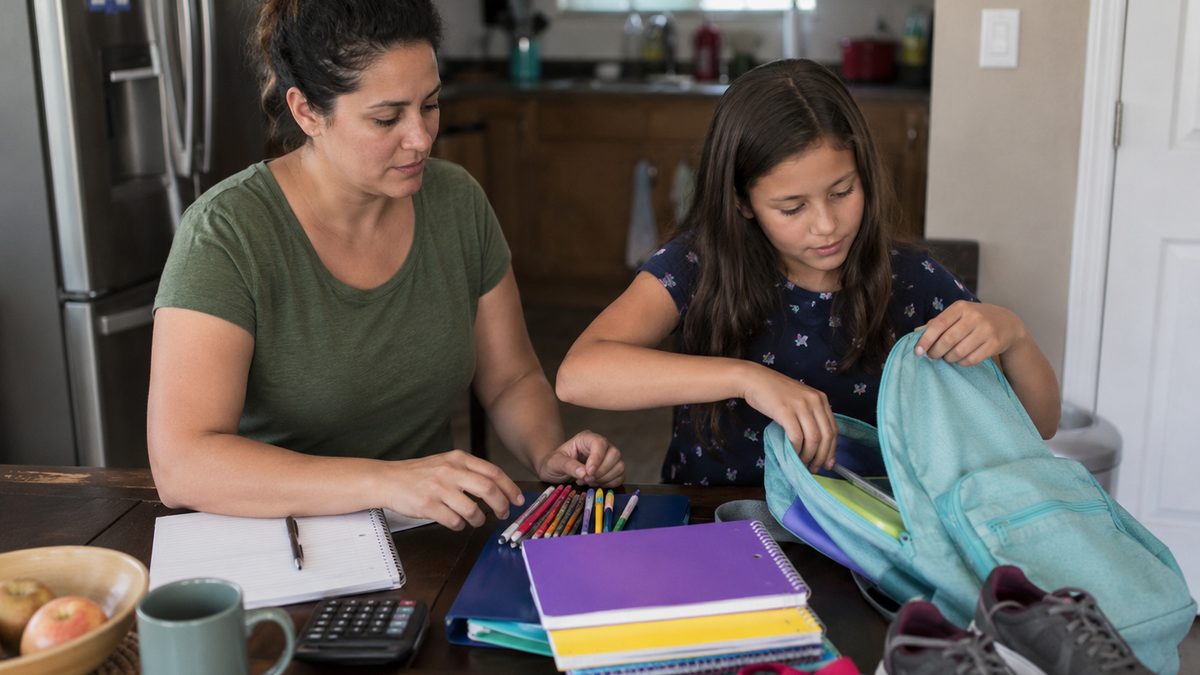
Back-to-school shopping is starting earlier as families spread costs across the summer. Editorial illustration by TheDailyGlobe.
Key Facts
- The National Retail Federation said one-third of back-to-school shoppers had begun browsing or buying by late June.
- NRF has tracked back-to-school and back-to-college shopping since 2003.
- PwC's 2026 survey said parents expect to spend an average of $922 on back-to-school shopping this year.
- Survey averages are estimates and do not describe what every family will spend.
- It remains unclear whether early shopping lowers total spending or mainly spreads costs across more weeks.
For many parents, back-to-school shopping no longer waits for August. A backpack picked up in June, shoes bought in July and supplies added to a cart one paycheck at a time can make the season feel less like one big trip and more like a summer-long budget project.
That shift is showing up in retail surveys. The National Retail Federation said one-third of back-to-school shoppers had already begun browsing or buying by late June. PwC's 2026 survey said parents expect to spend an average of $922 on back-to-school shopping this year.
School Shopping Became a Season
Back-to-school shopping used to be easier to imagine as a single errand: supplies, clothes, shoes and maybe a backpack before the first day of class. For many families, that picture no longer fits. School-related costs can arrive across several categories, and they often land while regular expenses are still due.
Rent or mortgage payments do not pause because a child needs new shoes. Grocery bills, utilities, gas, child care and summer activity costs still have to be covered. That is why early shopping can be less about excitement and more about cash flow. Buying part of the list now may keep a later paycheck from being overwhelmed.
Retailers have noticed. Stores and online sellers compete earlier in the season because families are already looking. The shopping calendar has stretched, and that gives retailers more chances to advertise, discount and capture spending before the traditional late-summer rush.
Why the Average Can Mislead
PwC's survey estimate of $922 in expected back-to-school spending gives a sense of the scale, but it should not be read as a bill every family will face. A household with one elementary-school student may spend differently than a family with several children, teenagers, sports fees or technology needs.
Families also make different tradeoffs. Some reuse supplies from last year. Some wait for sales. Some buy clothes in stages. Some rely on hand-me-downs. Others face longer lists, growth spurts, uniforms, activity costs or school requirements that make spending harder to avoid.
The average is still useful because it shows why the season matters to household budgets. Back-to-school shopping is not only pencils and notebooks. It can include shoes, clothing, backpacks, electronics, classroom supplies and other costs that arrive before the school year even begins.
Retailers Are Competing for Family Dollars
The early start is also a business story. Back-to-school is a major retail season, and retailers want to reach families before their budgets are already spent. Discount stores, online sellers, local shops and larger chains all compete for the same pool of household dollars.
That competition can be helpful for families when it leads to discounts or more time to compare prices. But early promotions do not automatically mean families spend less overall. A deal in June may reduce the price of one item, or it may simply move part of the spending earlier in the summer.
That is one of the unanswered questions this season. It remains unclear whether families are spending more because prices are higher, because school lists are longer, because shopping starts earlier, or because all of those factors are working together.
The Pressure Is Not the Same for Every Family
Back-to-school costs can hit lower-income and lower-middle-income families especially hard, but the available survey material does not fully show how those families are adjusting. Some may spread purchases over multiple paychecks. Some may delay nonessential items. Some may choose cheaper versions of the same products.
The pressure is practical. A parent may know a child needs shoes, but also know the electric bill is due. A family may want to buy supplies early, but not have extra room in the budget until the next paycheck. A school list may look small item by item and still add up at checkout.
That is why early shopping should not be treated as a retail trend only. It is also a household planning strategy. Families are trying to make school costs fit inside a month that already has other obligations.
What to Watch Next
The next signals to watch are NRF's July data release, retailer promotions and updated family spending surveys. Those may show whether early shopping continues to grow and whether discounts are helping families lower costs or mainly spreading the same burden over a longer period.
The start of school is still weeks away for many households, but the spending season is already here. For retailers, that means a longer window to compete for family dollars. For parents, it means another reminder that the school year often starts in the budget long before it starts in the classroom.
Reporting note: Reporting draws on National Retail Federation back-to-school shopping materials, NRF data resources, PwC consumer survey data, retail reporting, and reviewed background materials. This article was produced with AI-assisted research and reviewed by an editor before publication.