Tomato Prices Show How Food Costs Reach the Grocery Aisle
A familiar produce item is showing how weather, trade, supply chains and retailer choices can turn into higher grocery and restaurant costs.
Save Article
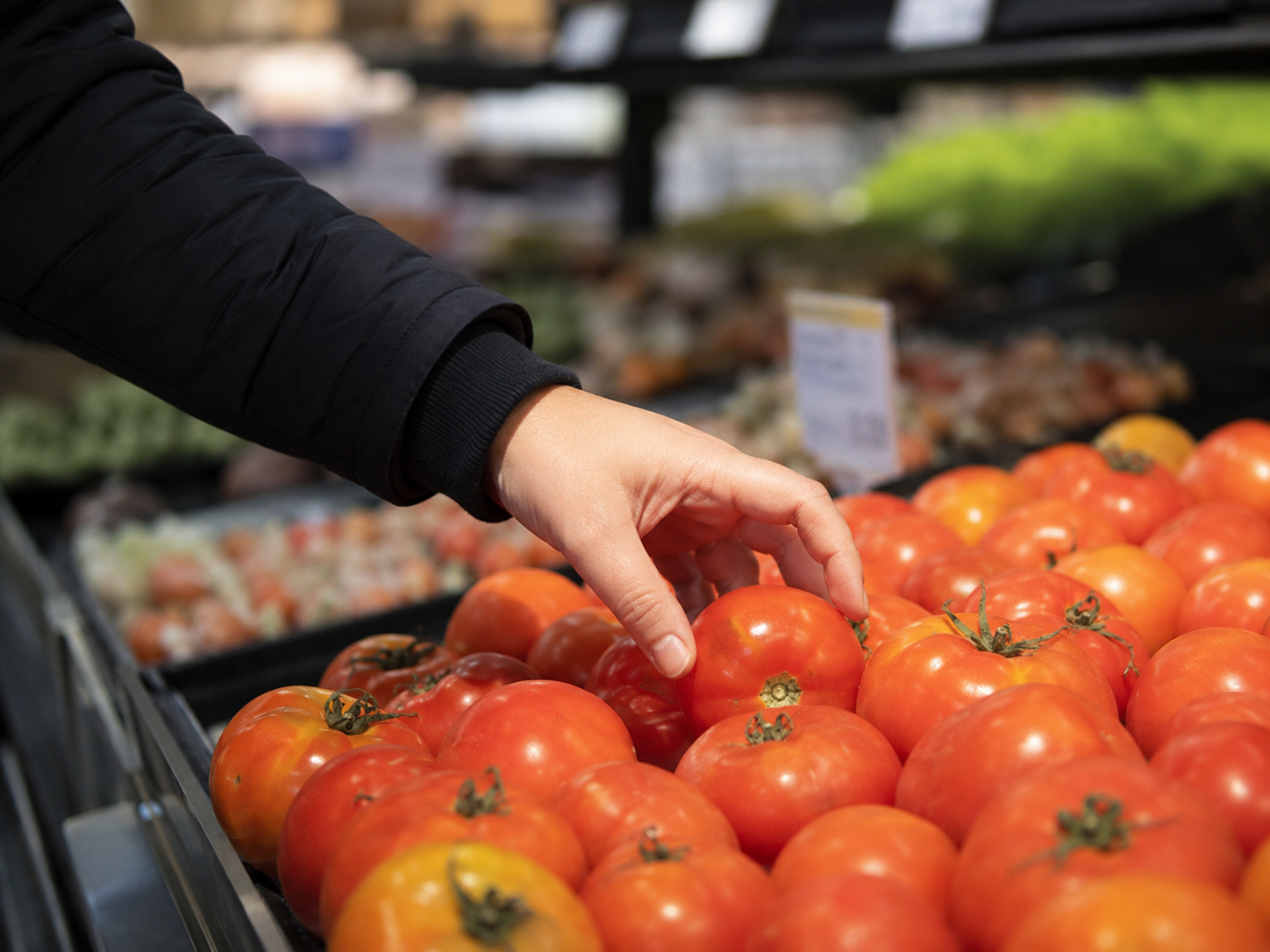
Food-price pressure often becomes clearest when familiar grocery staples cost more than shoppers expect. Editorial illustration by TheDailyGlobe.
A shopper does not need an inflation chart to notice when tomatoes cost more than expected.
The change may show up in the produce aisle, on a sandwich, in a salad, on a pizza or in the price of a restaurant meal that quietly rises because ingredients are more expensive. Tomatoes are a small item in a family budget, but they are familiar enough to make food-price pressure easy to see.
The Associated Press reported that tomato prices rose sharply over the past year and tied the increase to a mix of trade policy, weather and supply-chain pressure.
Why One Grocery Item Matters
One product should not be turned into a verdict on the entire economy. Tomato prices can vary by region, season, store, product type and whether someone is buying fresh tomatoes, canned tomatoes, salsa, sauce or prepared food.
Still, tomatoes are useful because they show how food costs reach everyday life. Weather can affect supply. Trade rules can affect imports. Transportation, packaging, labor and retailer decisions can all shape the final price a shopper sees.
For restaurants, the same pressure can show up differently. A business may absorb higher ingredient costs for a while, change portions, adjust menus or raise prices. For households, the choice may be whether to buy fewer tomatoes, switch products, wait for sales or pay more.
Where Official Data Fits
The Bureau of Labor Statistics Consumer Price Index tracks average price changes paid by urban consumers. USDA’s Economic Research Service also maintains food price and food expenditure resources that help show how food spending changes over time.
Those tools are useful, but they do not match every shopper’s cart. A family that buys many fresh ingredients may feel one kind of pressure. A household that relies more on prepared food or restaurants may feel it another way.
What Remains Unclear
It is not yet clear whether tomato prices will ease later in the year. Seasonal supply, imports, weather, demand and retailer pricing can all affect what happens next.
Readers should watch grocery prices, restaurant menu changes, USDA food data, BLS inflation updates and seasonal supply. The larger lesson is simple: food inflation is not only an abstract number. Sometimes it is sitting in the produce section, right next to a blurred price tag.
Reporting note: Reporting draws on Associated Press reporting, Bureau of Labor Statistics inflation resources, USDA food expenditure data, and reviewed background materials. This article was produced with AI-assisted research and reviewed by an editor before publication.