Senate confirms Kevin Warsh as Fed chair after narrow, partisan vote — what changes (and what doesn’t)
Kevin Warsh was confirmed to lead the Federal Reserve in a close Senate vote, according to AP and Axios. Here’s what that means for interest rates, markets, and what to watch next.
Save Article
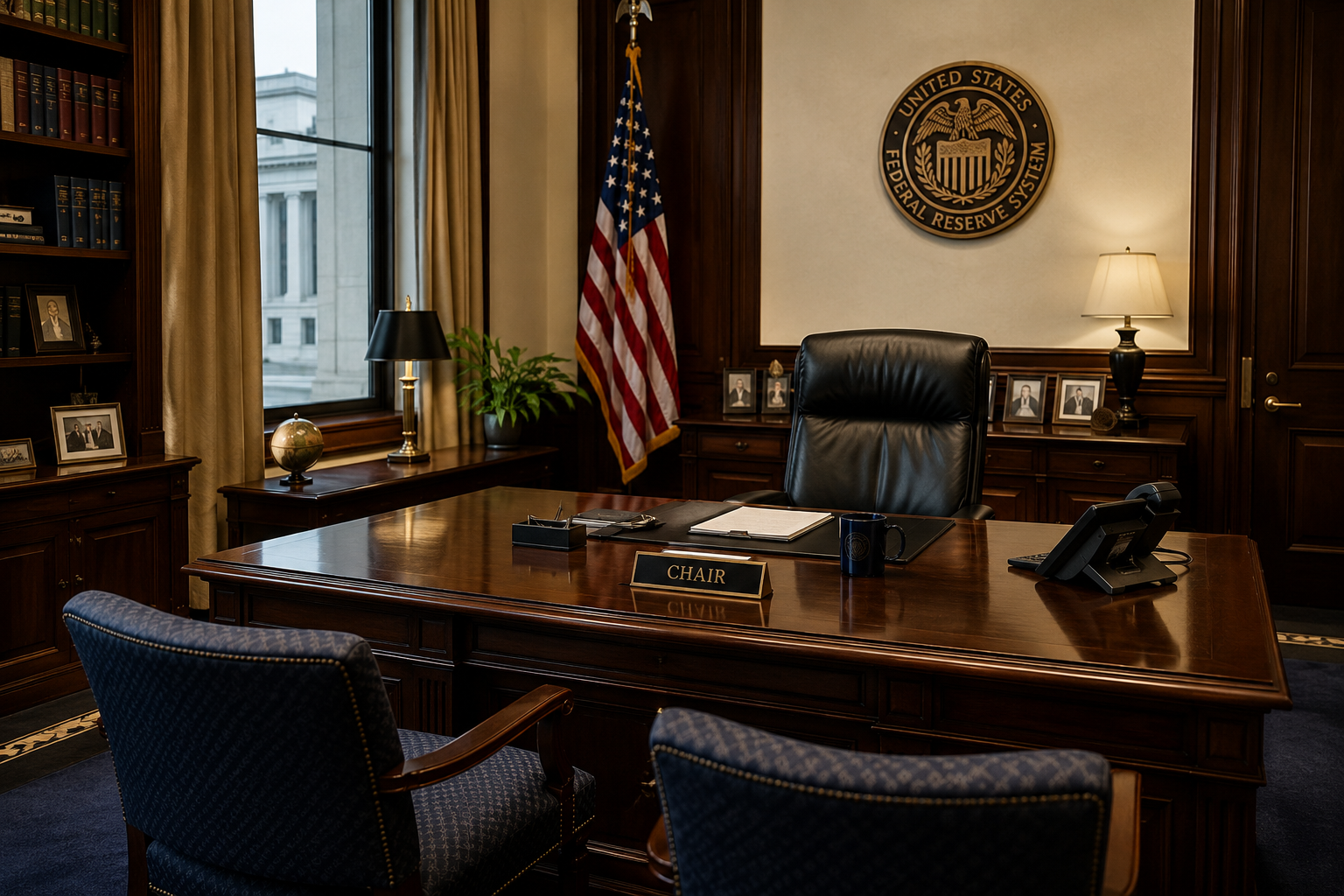
Kevin Warsh was confirmed to lead the Federal Reserve in a close Senate vote, according to AP and Axios. Here’s what that means for interest rates, markets, and what to watch next. Editorial illustration by TheDailyGlobe.
Key Facts
- The Senate confirmed Kevin Warsh as the next Federal Reserve chair in a close vote reported May 13, according to AP and Axios.
- Warsh’s first FOMC meeting as chair is set for June 16–17.
- The confirmation comes alongside hotter inflation data and shifting market expectations for rate cuts.
- The Fed chair leads the agenda and communications; actual rate decisions are made by FOMC vote.
- Borrowing costs will be driven by incoming data and FOMC decisions, not the title change alone.
The U.S. Senate has confirmed Kevin Warsh as chair of the Federal Reserve in a narrow, largely party-line vote, according to reporting by the Associated Press and Axios on May 13. The decision lands as inflation readings have run hotter than hoped and investors debate how quickly the central bank might adjust interest rates this year.
Warsh, who was nominated by President Trump, will take the helm once formally sworn in. His first policy-setting meeting as chair is scheduled for June 16–17, when the Federal Open Market Committee (FOMC) will vote on the federal funds rate. Markets will be watching any early public remarks for clues about how he intends to guide the central bank’s communications and priorities.
The confirmation caps weeks of speculation about how a Warsh-led Fed might balance stubborn inflation against political pressure for lower rates. The timing matters: recent data have kept inflation concerns in focus, and traders have been repricing the path of rate cuts accordingly. In that environment, even small shifts in tone from the chair can ripple through bond markets and borrowing costs.
What changes now—and what doesn’t
A new chair can immediately influence how the Fed frames risks, communicates its reaction function, and structures internal debates. The chair sets the agenda for FOMC meetings, leads post-meeting press conferences, and represents the central bank in public forums and on Capitol Hill.
What does not change overnight is policy itself. The federal funds rate is set by a majority vote of the FOMC, which includes the Board of Governors and rotating Reserve Bank presidents. The chair has one vote, like other members. Any change in rates—or in the pace of balance-sheet runoff—will depend on the incoming data and the committee’s collective judgment.
For households and businesses, that means mortgage rates, auto loans, and credit-card APRs will continue to move mainly with Treasury yields and lenders’ funding costs, which in turn reflect the economic outlook and the FOMC’s decisions over time. A change in leadership does not by itself lower or raise borrowing costs.
What the Fed chair can—and cannot—do
- Can: Set the FOMC agenda, guide communications, and frame the committee’s assessment of inflation, employment, and financial stability risks.
- Can: Lead post-meeting press conferences and public speeches that shape market expectations.
- Can: Influence committee dynamics and priorities over months through staffing, research focus, and meeting structure.
- Cannot: Unilaterally raise or cut interest rates; those decisions are made by FOMC vote.
- Cannot: Directly set mortgage or credit-card rates; consumer rates follow market yields and lender pricing.
- Cannot: Guarantee market outcomes; the Fed responds to data and the economic outlook, not equity or bond price targets.
Market lens: Signals, not surprises
In the near term, investors will parse Warsh’s early comments for how he balances risks of entrenched inflation against the cost of tighter policy on growth and jobs. If the tone shifts—emphasizing inflation vigilance or patience, for example—markets may adjust rate-cut expectations and bond yields accordingly. But a sustained directional move generally requires consistent data and committee follow-through.
Dates to watch
June 16–17: Warsh’s first FOMC as chair. The statement and press conference will be scrutinized for how the Fed characterizes inflation progress, the labor market, and any conditions for future rate moves. Any interim remarks in speeches or interviews ahead of that meeting will also be closely watched.
Why it matters for borrowers and businesses
For borrowers, a steadier or higher path for policy rates tends to keep mortgage and auto financing costs elevated; clearer evidence of cooling inflation that leads the FOMC toward rate cuts would ease those pressures. For businesses, the chair’s stance on inflation and financial conditions can influence capital costs, hiring plans, and investment timing. Either way, the message is the same: pay attention to data and the FOMC’s collective signals more than the change in title.
Warsh’s arrival also renews a familiar discussion about central-bank independence. The Fed is designed to operate at arm’s length from day-to-day politics, even as it remains accountable to Congress. That balance—especially in a period of elevated inflation and election-year scrutiny—will be tested in the months ahead.
Bottom line: The confirmation is a leadership shift with real implications for tone and strategy, but the rate path will still be decided by the committee and anchored to the data. Watch the June meeting—and the incoming inflation and labor readings between now and then—for the first substantive read on how a Warsh-led Fed intends to navigate the next phase.
Reporting note: Reporting draws on wire reporting by the Associated Press and Axios, market reporting, and reviewed background materials. This article was produced with AI-assisted research and reviewed by an editor before publication.