Natural Gas Prices Are Shifting as Summer Power Demand Builds
Natural gas is often treated as a winter heating issue, but summer cooling demand can also affect power costs, households and small businesses.
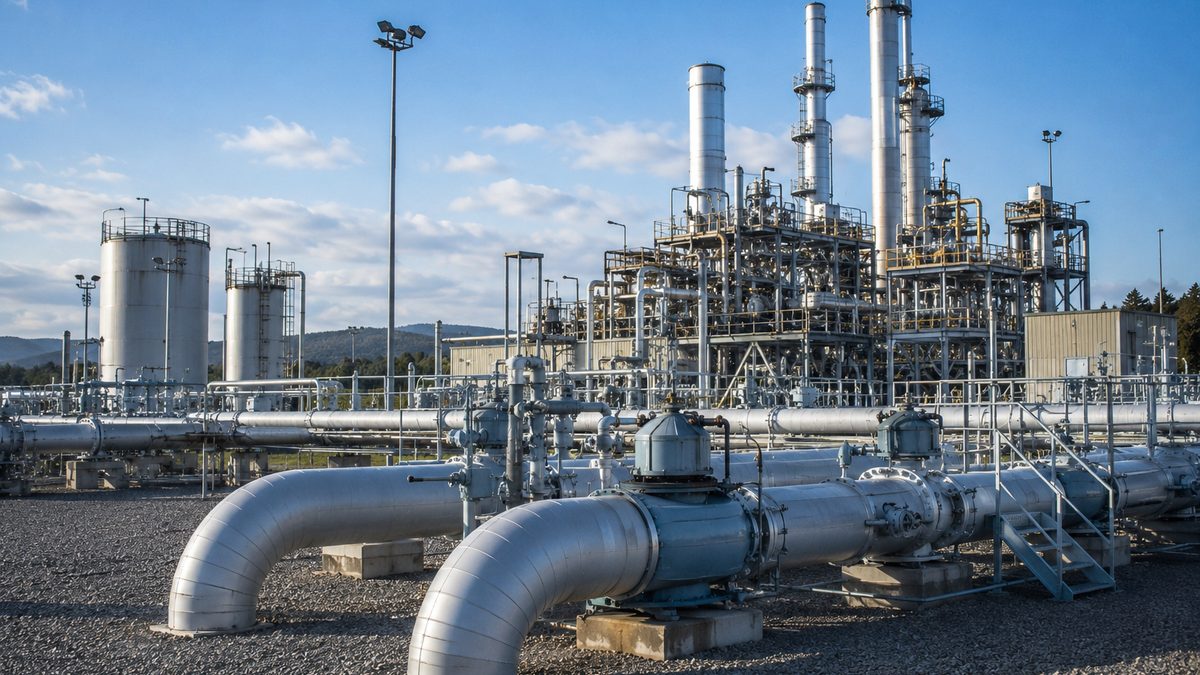
Energy prices can affect household and small-business utility costs beyond the winter heating season. Editorial illustration by TheDailyGlobe.
Key Facts
- The U.S. Energy Information Administration’s June 2026 Short-Term Energy Outlook discussed natural gas price expectations.
- EIA said higher natural gas production contributed to lower expectations for 2027 prices compared with its January outlook.
- The American Gas Association said warmer temperatures increase natural gas demand for electric power generation during summer cooling season.
- EIA price expectations are forecasts, not guarantees.
- The available information does not show that every household or small-business utility bill will rise or fall the same way.
A summer utility bill can surprise a household before anyone thinks about natural gas. The air conditioner runs longer. Kids are home more often. A small business keeps lights, refrigeration, fans or cooling systems going through hot afternoons. The bill arrives, and the question is simple: why is energy costing this much?
Natural gas is often treated as a winter story because millions of homes and businesses use it for heat. But gas also matters in the summer because it helps generate electricity. When hot weather pushes up air-conditioning demand, natural gas demand for electric power can rise too.
That makes recent natural gas updates relevant to households, renters, homeowners and small businesses watching monthly bills. The U.S. Energy Information Administration’s June 2026 Short-Term Energy Outlook discussed natural gas price expectations, while the American Gas Association said warmer temperatures lift natural gas demand for electric power generation during summer cooling season.
Why Natural Gas Matters in Summer
For many families, natural gas sounds like something tied to furnaces, water heaters and cold weather. That is part of the picture, but not all of it. Natural gas is also used by power plants to generate electricity, which means it can be part of the cost chain behind summer cooling.
When temperatures rise, air conditioners work harder. That can push up electricity demand. If gas-fired power generation is used to meet part of that demand, natural gas prices and supply conditions can matter even for people who think they are only paying an electric bill.
The connection is not always direct or immediate. A household does not see wholesale natural gas prices printed neatly on a utility bill. Customers see the final bill shaped by local rates, utility rules, generation mix, delivery charges, weather and how much energy they use.
What EIA Is Saying
EIA’s June outlook discussed natural gas price expectations and said higher production contributed to lower expectations for 2027 prices compared with its January outlook. That is useful context, but it should be read carefully. Forecasts are not promises. They can change as production, weather, demand and other conditions change.
For readers, the important point is not a trader’s view of the gas market. It is that energy prices are moving pieces inside household and business costs. A change in natural gas expectations can matter, but it does not automatically mean a specific family’s bill will fall or a specific business will pay less.
That distinction matters because utility bills are local. Two households can face different costs even if they live in the same state. A renter in an apartment, a homeowner with older insulation, a restaurant with refrigeration, and a small manufacturer using energy throughout the day may all experience summer energy costs differently.
How This Reaches Households
For families, summer energy costs often show up as one more monthly pressure. A higher electric bill may arrive alongside rent or mortgage payments, groceries, insurance, child care, gas and debt payments. Even when each cost has its own explanation, the household budget feels the combined effect.
Natural gas can be part of that picture in more than one way. Some homes use it directly for cooking, water heating or other appliances. Many households may also be affected indirectly through electricity generation during peak cooling months. How much that matters depends on the local utility system and customer usage.
Renters can face the issue differently from homeowners. Some renters pay electric bills directly but do not control insulation, appliance efficiency or building systems. Some homeowners can make changes over time, but upgrades cost money. The available information does not show how these differences will play out across specific bills this summer.
Why Small Businesses Watch Utility Costs
Small businesses can feel energy costs sharply because utilities are part of staying open. Restaurants need refrigeration and cooking equipment. Laundromats use energy all day. Stores need cooling and lighting. Service businesses may run equipment, computers, fans or workspace cooling through long summer hours.
A large company may have more room to absorb swings, renegotiate contracts or spread costs across many locations. A small local business may have less flexibility. If utility costs rise, the owner may have to absorb the cost, raise prices, reduce hours or cut elsewhere. None of those choices is easy.
At the same time, it would be too broad to say every small business will be hit the same way. A restaurant, a barber shop, a warehouse, a small office and a home-based seller use energy differently. Local rate structures and summer weather can matter as much as the broader direction of natural gas prices.
What Remains Unclear
The main uncertainty is how wholesale natural gas shifts will show up in actual household and business bills. Energy markets can move quickly, but customer bills are shaped by utility pricing rules, state regulation, generation sources, delivery charges and timing.
Weather is another unknown. A hotter summer can increase cooling demand. A milder stretch can ease it. The American Gas Association’s market indicators point to the summer link between warmer temperatures and natural gas demand for power generation, but the size of that effect will vary by place and by the weather that actually arrives.
Readers should watch the next EIA energy updates, summer temperature trends and local utility rate filings. Those will say more about whether natural gas price shifts stay mostly in the background or become more visible in the bills families and small businesses have to pay.
The practical takeaway is simple: natural gas is not only a winter heating issue. It can also matter during summer, when power demand builds and utility costs become another test for household budgets and Main Street businesses.
Reporting note: Reporting draws on U.S. Energy Information Administration outlook materials, American Gas Association market indicators, and reviewed background materials. This article was produced with AI-assisted research and reviewed by an editor before publication.