Mortgage Rates Near 6.6% Keep Housing Affordability Under Pressure
Average 30-year mortgage-rate readings remained near 6.6% on May 27, keeping monthly payments difficult for many buyers.
Save Article
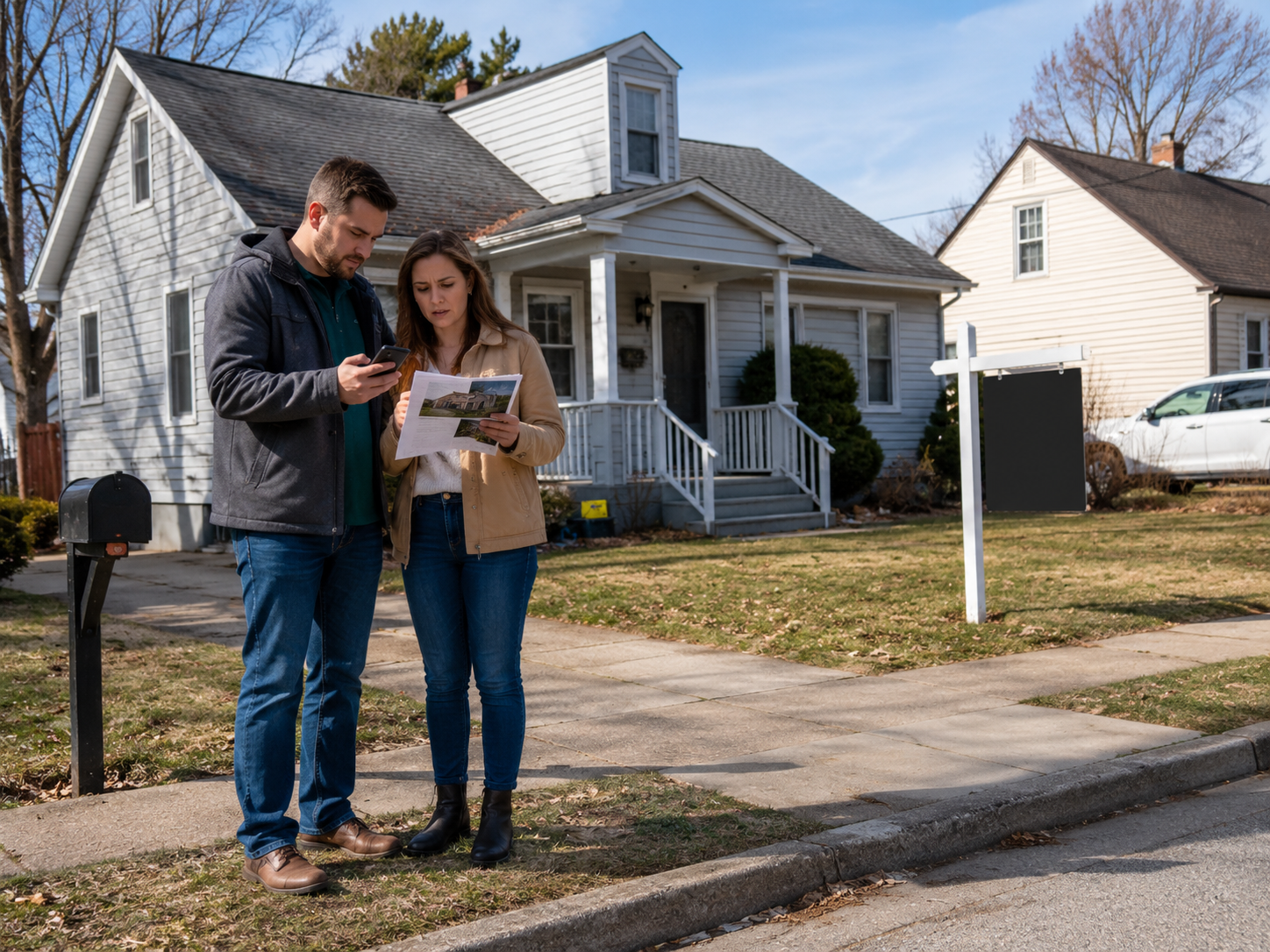
Mortgage rates remain a major factor in whether buyers can make monthly payments work. Editorial illustration by TheDailyGlobe.
For many homebuyers, the biggest question is not just the price of the house. It is whether the monthly payment works.
Mortgage rates remained near 6.6% on May 27, keeping affordability under pressure even after some recent easing in daily rate readings. At that level, borrowing costs still make it harder for buyers to stretch into a home, especially when prices, insurance and property taxes are also part of the monthly bill.
Current Rate Readings
Bankrate listed the average 30-year fixed mortgage rate at 6.62% on May 27. Mortgage News Daily listed its 30-year fixed daily survey rate at 6.61% the same day. WSJ Buy Side reported the 30-year fixed rate at 6.62% and the 15-year fixed rate at 6.01%.
The small differences between rate surveys are normal. Mortgage-rate averages vary by source because each uses its own data and methodology. Actual borrower rates can also differ based on credit profile, down payment, lender, location, loan type and whether the borrower pays points.
Why It Matters for Buyers
A mortgage rate near 6.6% keeps monthly-payment pressure high for many households. Even when rates move down slightly, they can remain too elevated to meaningfully reopen affordability for buyers who are already dealing with high home prices.
Higher borrowing costs can also affect the broader housing market. Some buyers may stay on the sidelines. Some homeowners may delay selling because they do not want to give up a lower existing mortgage rate. That can limit inventory in some areas, while affordability remains tight for people trying to enter the market.
What Remains Uncertain
The next move in mortgage rates is not guaranteed. Rates are shaped by inflation data, bond yields, Federal Reserve expectations and lender pricing. If inflation improves, rates could ease. If price pressure proves stubborn, borrowing costs may stay higher for longer.
Housing affordability also depends on more than mortgage rates. Local prices, incomes, taxes, insurance costs and available inventory all shape whether a home purchase is realistic.
For now, the practical takeaway is simple: rates have eased in some readings, but not enough to remove the affordability squeeze. Buyers and homeowners watching the market should keep an eye on inflation reports and weekly mortgage-rate movement before assuming borrowing costs have meaningfully shifted.
Reporting note: Reporting draws on mortgage-rate data from Bankrate, Mortgage News Daily, WSJ Buy Side consumer-finance reporting, and reviewed housing-market context. This article was produced with AI-assisted research and reviewed by an editor before publication.