Federal Court Ruling Puts Trump’s Global Tariff Strategy Back Under Legal Scrutiny
A federal court ruling against broad global tariffs has reopened debate over presidential trade powers, business costs, and what could happen next as appeals move forward.
Save Article
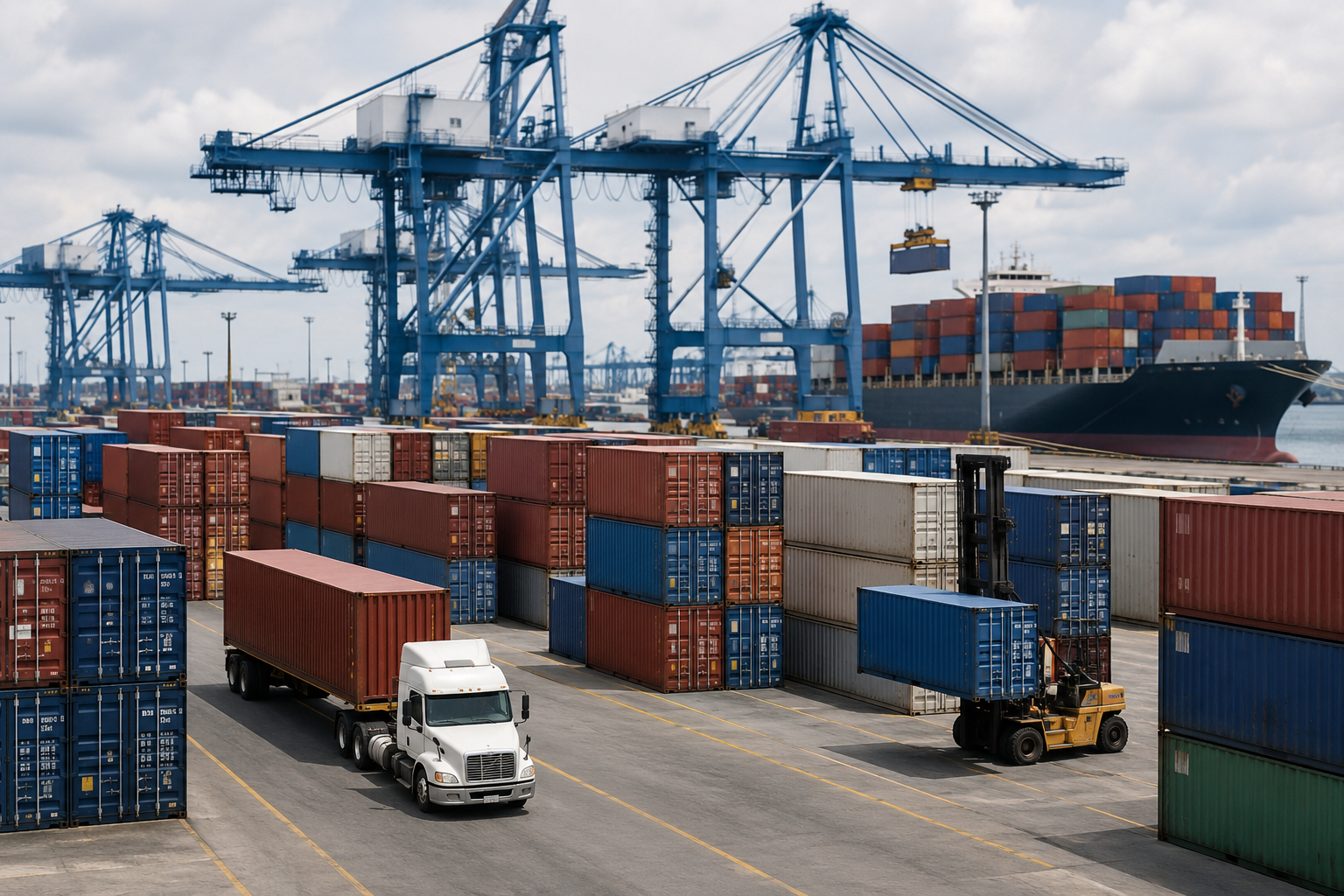
A federal court ruling against broad global tariffs has reopened debate over presidential trade powers, business costs, and what could happen next as appeals move forward. Editorial illustration by TheDailyGlobe.
A federal court ruling against a broad 10% global tariff plan tied to former President Donald Trump has renewed a major legal debate over how far presidential trade powers can go without direct approval from Congress.
The case was brought by several small businesses, including spice importer Burlap & Barrel and toy company Basic Fun!, which argued that the tariff action went beyond what federal law allows. The court agreed with the plaintiffs, finding that the tariff approach exceeded the statutory authority cited by the administration.
The decision is important not only because it affects trade policy, but because it highlights how tariff disputes can move quickly from political campaign promises to courtroom fights with real financial consequences for businesses and consumers.
What the Court Decided
According to reporting from the Associated Press, the court ruled that the administration's use of emergency-style authority to justify broad global tariffs did not fit within the limits set by federal law.
The ruling focused less on whether tariffs themselves are good or bad economic policy and more on whether the president had the legal authority to impose them in the way that was attempted.
Federal trade laws give presidents significant power to respond to certain national security threats, unfair trade practices, or economic emergencies. But courts have increasingly been asked to decide where those powers stop.
The court found that the administration's justification for broad global tariffs stretched beyond what Congress authorized under the law being used in the case.
Why Small Businesses Sued
The businesses involved in the lawsuit argued that the tariffs directly raised their operating costs and created uncertainty around imports and pricing.
Companies that depend on imported goods often cannot quickly replace suppliers or shift manufacturing. When tariffs increase costs, businesses must decide whether to absorb those expenses, raise prices for customers, reduce hiring, or cut back on investment.
Burlap & Barrel imports spices from producers around the world, while Basic Fun! operates in the toy industry, which relies heavily on global manufacturing and supply chains. Plaintiffs argued that broad tariffs affected normal business planning and imposed costs that smaller companies were less able to manage than larger corporations.
Trade groups and import-dependent businesses have long argued that tariffs function like an added tax on imported goods. Supporters of tariffs, meanwhile, often argue that they can protect domestic industries and encourage companies to move production back to the United States.
The Bigger Legal Question
At the center of the case is a larger constitutional and legal issue: how much independent economic power a president can exercise using emergency or national-interest authorities.
Congress traditionally controls tariffs and taxation under the Constitution. Over time, lawmakers delegated parts of that authority to the executive branch through trade laws that allow presidents to act under specific conditions.
Critics of expansive tariff authority argue that modern administrations from both parties have increasingly stretched those powers. Supporters say presidents need flexibility to respond quickly to global economic pressures, trade imbalances, or foreign policy disputes.
The Financial Times noted that the ruling could shape future trade policy beyond this specific dispute because it may influence how courts interpret presidential emergency authority in economic matters.
The decision also follows earlier legal setbacks tied to the use of emergency authority for tariff actions. Those earlier disputes helped build the legal groundwork for the current challenge.
What Happens Next
The legal fight is not necessarily over. Appeals are expected, and higher courts could narrow, reverse, or uphold the ruling.
That means businesses and investors may continue facing uncertainty around future tariff policy for some time. Trade lawyers say court battles over executive authority can take months or years to fully resolve.
The White House and supporters of aggressive tariff policies have generally argued that strong trade tools are necessary to protect American industries and respond to unfair foreign competition. Administration documents tied to tariff actions have often framed tariffs as part of a broader economic and national-interest strategy.
Opponents argue that broad tariffs can increase costs throughout supply chains and create uncertainty for businesses trying to make long-term decisions.
Why Consumers May Notice
Although tariff disputes can sound technical or distant, the effects often reach consumers through prices on everyday products.
Importers that face higher costs may pass some of those expenses along through price increases. Industries connected to toys, electronics, clothing, food ingredients, machinery, and household goods are often especially sensitive to changes in trade policy.
Businesses also say unpredictable tariff rules can make planning more difficult. Companies ordering products months in advance may not know what import costs will look like by the time goods arrive at U.S. ports.
Economists remain divided over the long-term impact of tariffs. Some argue they can help strengthen domestic manufacturing in certain industries, while others say the added costs can outweigh the benefits, especially when supply chains are deeply global.
What Remains Unclear
Several major questions remain unresolved as the case moves forward.
- Whether higher courts will uphold the ruling.
- How narrowly or broadly future courts will interpret presidential tariff authority.
- Whether Congress could move to clarify trade laws or emergency powers.
- How future administrations from either party may approach tariff policy after the ruling.
For now, the decision adds another layer of legal scrutiny to one of the most aggressive modern approaches to tariff policy. It also underscores how trade disputes increasingly involve not just economics and politics, but fundamental questions about the limits of executive power.
Reporting note: Reporting draws on Associated Press coverage of the federal court ruling, Financial Times reporting on trade-policy implications, White House tariff-related materials, and reviewed background context. All claims This article was produced with AI-assisted research and reviewed by an editor before publication.