Fake CAPTCHA Scams Are Turning Normal Web Clicks Into a New Risk
Federal consumer guidance warns that scammers are using fake CAPTCHA prompts to make risky online actions look routine.
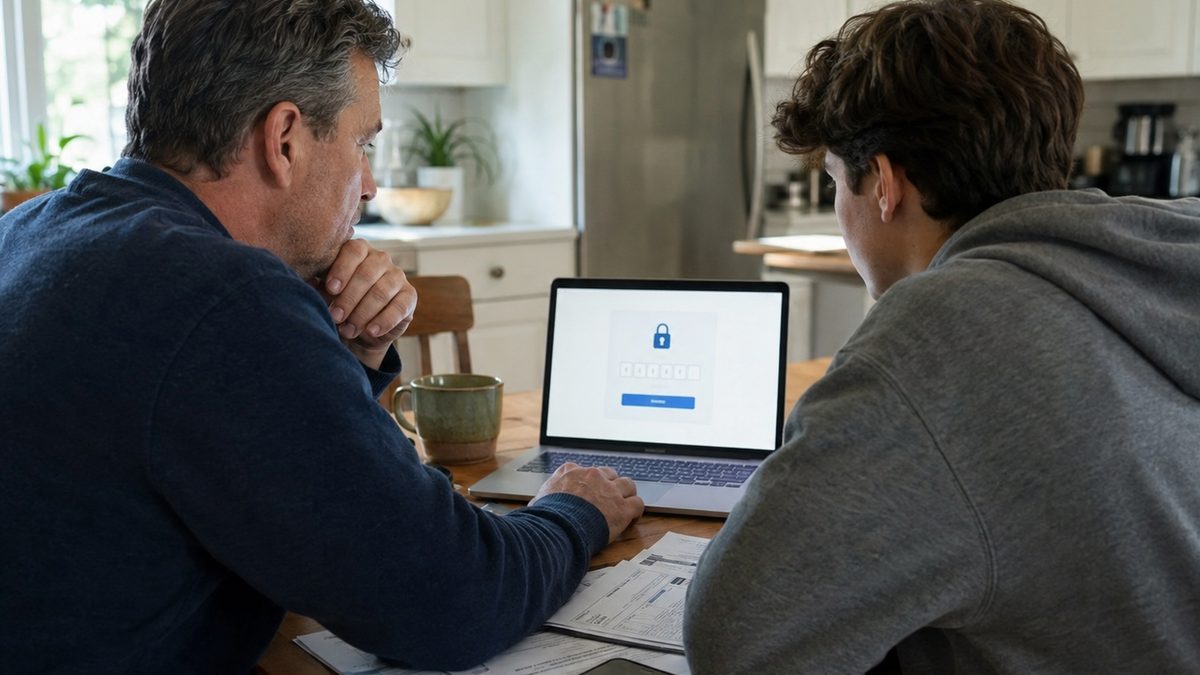
Fake CAPTCHA scams can make a risky online step look like an ordinary website check. Editorial illustration by TheDailyGlobe.
Key Facts
- The FTC published consumer guidance in June 2026 on how to spot a CAPTCHA scam.
- The FTC maintains broader consumer advice on scams and online fraud risks.
- Fake CAPTCHA scams rely on making a suspicious online step look like a normal website verification process.
- The available FTC guidance does not provide a household-level loss estimate for this specific scam type.
- The warning is relevant for families, older relatives, teens, online shoppers, and people paying bills or managing accounts online.
Most people have clicked through a CAPTCHA without thinking much about it. A box asks you to prove you are human, pick out traffic lights, check a square, or wait for a website to confirm you are not a bot. It feels ordinary because it is ordinary.
That familiarity is exactly what makes fake CAPTCHA scams dangerous. When a scam looks like a normal web step, people are more likely to follow instructions before stopping to ask whether the page is real.
The Federal Trade Commission is warning consumers about CAPTCHA scams, a reminder that online fraud does not always arrive as an obvious fake prize, threatening message, or strange email. Sometimes it appears as a routine click on a screen people have learned to trust.
Why This Scam Is Easy to Miss
A CAPTCHA has become part of the background of the internet. People see them when logging in, shopping online, checking accounts, posting comments, creating accounts, or using services that want to block automated traffic.
That makes the fake version harder to spot. A scammer does not need to invent something completely new. The trick is to imitate a familiar action and nudge the user into doing something unsafe while the person thinks they are simply passing a website check.
The risk is not only technical. It is behavioral. People are busy. They are paying a bill, checking a delivery, helping a child with a device, looking for a form, or trying to get through a login screen. When a prompt looks routine, the natural response is to get past it quickly.
What the FTC Is Warning About
The FTC's consumer guidance focuses on how to spot a CAPTCHA scam. The agency's warning places fake CAPTCHA prompts inside a wider world of online scams, where fraudsters use familiar designs and urgent instructions to get people to take actions they would normally question.
The important point for readers is not that every CAPTCHA is suspicious. Real CAPTCHAs are common and are used by legitimate websites. The risk comes when a fake page uses the look and feel of a routine verification step to push a person toward a harmful action.
The FTC's broader scam guidance also matters because fake CAPTCHA scams are part of a bigger pattern. Scammers often try to make fraud feel normal, official, urgent, or low-risk. A fake verification screen can do that because it borrows trust from a process people have seen many times before.
Why This Is a Family Budget Risk
Online scams are not just technology problems. They can become money problems fast. Families use phones and laptops to pay bills, manage bank accounts, shop, schedule services, handle school accounts, renew subscriptions, track deliveries, and communicate with employers.
That means a risky click can happen during ordinary household tasks. A parent trying to pay a utility bill, a teenager downloading something, an older relative checking an account, or a worker using a home computer after hours may all run into prompts that look familiar enough to trust.
The available FTC materials do not say how many households have been affected by fake CAPTCHA scams or how much money consumers have lost to this specific tactic. It would be wrong to invent a number. The practical point is narrower: when a scam can disguise itself as a normal website step, more people need to know what they are looking at before they click through.
Small Businesses Have a Trust Problem Too
The same risk can affect small businesses. Local operators may use online banking, scheduling tools, payroll services, delivery platforms, vendor portals, advertising accounts, and email marketing systems. A fake verification step can appear during a workday when the owner or employee is rushing between customers, invoices, messages, and orders.
For small businesses, the cost of a scam can go beyond one account. It can mean lost time, disrupted operations, worried customers, or the need to clean up compromised systems. The FTC guidance reviewed here is aimed at consumers, but the lesson applies broadly: ordinary-looking prompts deserve attention when they appear in unexpected places.
Clear online practices matter for legitimate companies as well. The more websites rely on confusing pop-ups, aggressive prompts, and cluttered verification screens, the easier it becomes for scammers to hide inside the noise.
What Remains Unclear
The FTC warning explains the scam risk, but several questions remain open. Available materials do not show how widespread fake CAPTCHA scams are, how many households have encountered them, or how often they lead to financial loss.
It is also unclear how quickly platforms, browsers, security tools, and website operators will adapt to this tactic. Scam methods can change as people become aware of them, which means the exact look of a fake CAPTCHA may not stay the same.
Another unknown is how well people can distinguish a real verification step from a fake one in the moment. That is the challenge with scams built around familiar behavior: the warning sign is not always the prompt itself, but where it appears and what it asks the user to do next.
What Readers Should Watch Next
The next useful signals will come from FTC consumer alerts, scam reports, browser and security warnings, and any future enforcement or public guidance tied to fake verification pages.
For families, the larger lesson is simple: a normal-looking web step can still deserve a pause. CAPTCHAs are common, but scammers know that common things feel safe. That is why this scam belongs in the household-budget conversation as much as the technology conversation.
A fake CAPTCHA does not have to look dramatic to create risk. It only has to look ordinary enough for someone to click before thinking. In a world where families manage more of their money and daily life online, that ordinary-looking click is worth treating carefully.
Reporting note: Reporting draws on Federal Trade Commission consumer guidance, FTC scam-prevention materials, public consumer-protection information, and reviewed digital-safety context. This article was produced with AI-assisted research and reviewed by an editor before publication.