Buy Now, Pay Later Keeps Growing as Families Watch Every Dollar
Installment checkout options have become common for everyday purchases, giving families more payment flexibility while making monthly obligations harder to see.
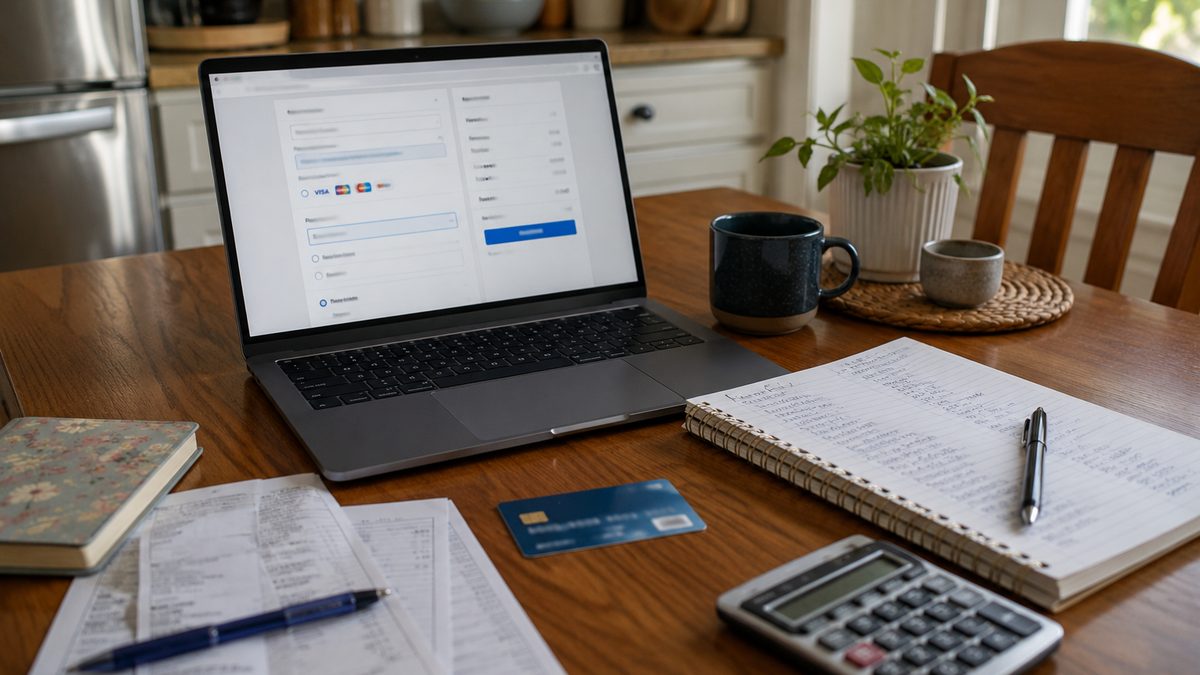
Buy now, pay later options have become common at checkout, adding another layer to household budgeting. Editorial illustration by TheDailyGlobe.
Key Facts
- Federal Reserve Bank of Richmond research says BNPL transaction value has grown roughly 20 percent per year since 2021.
- Richmond Fed research estimated BNPL transaction value reached $70 billion in 2025.
- The same research said BNPL represented about 1.1 percent of total credit card spending in 2025.
- The Consumer Financial Protection Bureau maintains compliance materials for BNPL products.
- Important questions remain about how families use BNPL across income levels, purchase types and overlapping payment plans.
At checkout, the choice can look simple: pay the full price now, or split the purchase into smaller payments. For a family buying school clothes, replacing a broken appliance or trying to stretch a tight month, that smaller number can feel easier to handle.
That is part of why buy now, pay later has become such a familiar feature of online shopping. The option is no longer limited to big-ticket items. It now appears beside clothes, furniture, electronics, travel, household goods and other purchases families may already be weighing against rent, groceries, gas and utility bills.
Research from the Federal Reserve Bank of Richmond says buy now, pay later transaction value has grown roughly 20 percent per year since 2021, reaching an estimated $70 billion in 2025. The same research said BNPL represented about 1.1 percent of total credit card spending in 2025. That is still a small slice of consumer credit overall, but large enough to show that installment checkout has become a normal part of household spending decisions.
How BNPL Works at Checkout
Buy now, pay later is a form of short-term installment financing. Instead of paying one full amount at checkout, the shopper splits the purchase into multiple payments over time. Many consumers recognize it through “pay in four” offers, though the exact terms can vary by provider and purchase.
For shoppers, the appeal is easy to understand. A $200 purchase may feel harder than four $50 payments. A family waiting for the next paycheck may prefer spreading out the cost. A parent trying to buy school items, repair supplies or travel expenses may see installment payments as a way to manage timing.
For retailers, BNPL can help customers complete a purchase they might otherwise delay. That matters not only to large online sellers but also to smaller retailers that compete for customers who are watching their cash closely. A checkout option that makes the first payment smaller can change how a buyer thinks about affordability in the moment.
Why It Can Help Cash Flow
For some households, BNPL is mainly about timing. If income arrives every two weeks but expenses arrive all at once, splitting a purchase may make the month feel more manageable. That does not mean the purchase is cheaper. It means the payments are spread out.
That distinction matters. BNPL can make an expense easier to fit into a short-term budget, especially when a family is trying to avoid putting everything on a traditional credit card. But it can also make the full monthly picture harder to see if several plans are active at once.
A single four-payment plan may be easy to remember. Three or four plans across different stores, different due dates and different family needs can become harder to track. The risk is not always one large bill. Sometimes it is several small bills arriving close together.
Why the Growth Matters
The Richmond Fed numbers show BNPL has grown quickly, even while remaining much smaller than overall credit card spending. That combination is important. BNPL is not replacing the credit card system, but it is becoming a more visible layer on top of everyday shopping.
The growth also says something about how consumers are managing purchases. Families are not only deciding whether they can afford an item. They are deciding when the payment hits, how it lines up with paychecks and whether smaller installments feel safer than one larger charge.
That can be useful, but it also means a household budget may no longer be captured by a quick look at a bank balance or one credit card statement. Some payment obligations may sit across apps, retailers and lenders. For families already watching every dollar, that can make the difference between feeling organized and feeling surprised.
What Regulators Are Watching
The Consumer Financial Protection Bureau maintains BNPL compliance and consumer-credit materials, reflecting the fact that these products sit inside a broader conversation about consumer finance. The regulatory question is not simply whether BNPL is good or bad. It is how the products are described, how payments are handled and how consumers understand the obligations they are taking on.
The source record does not support a simple conclusion that BNPL is always harmful or always helpful. For some shoppers, installment payments may be a practical way to manage timing. For others, the same setup may make spending feel smaller than it really is. Both things can be true depending on the household, the purchase and the number of active payment plans.
What Remains Unclear
Several important questions remain unanswered. Public research does not fully show how many lower- and middle-income households are using BNPL for essentials rather than discretionary purchases. It also does not fully show how many consumers are stacking multiple plans at once or how those payments interact with rent, groceries, utilities, child expenses and other monthly bills.
It is also unclear how regulatory treatment may change over time. The CFPB’s continued attention to BNPL shows that regulators view the category as part of consumer credit, but future rules, reporting practices or enforcement priorities may shift as more data becomes available.
For readers, the practical takeaway is not a warning label or a sales pitch. BNPL is now a common part of checkout. It can spread out costs, but it can also spread out visibility. As families keep watching every dollar, the next thing to watch is whether lenders, retailers and regulators make those payment obligations easier to understand before the purchase is made.
Reporting note: Reporting draws on Federal Reserve Bank of Richmond research, Consumer Financial Protection Bureau materials, consumer-credit resources, and reviewed background materials. This article was produced with AI-assisted research and reviewed by an editor before publication.